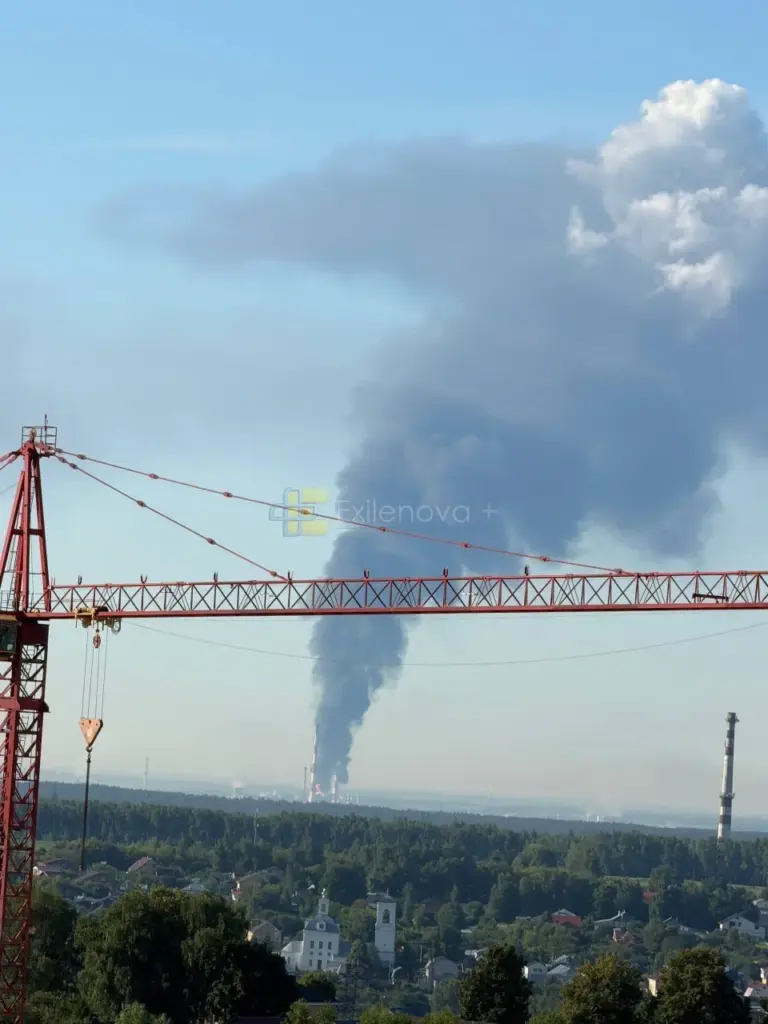
Russia’s fourth-largest oil refinery caught fire again on 2 July after a Ukrainian drone strike, days after a separate attack had already knocked its primary crude unit offline. The renewed fire hit the NORSI plant near Kstovo, Russia’s Nizhny Novgorod Oblast, according to Ukrainian and Russian Telegram channels.
Ukraine’s drone campaign against Russian oil refineries has forced several of the country’s largest plants offline in recent months, part of a wider effort to strain the fuel revenues and military logistics sustaining Moscow’s invasion.
Fire breaks out at Kstovo again
Drones struck the Lukoil-Nizhegorodnefteorgsintez refinery in Kstovo before dawn on 2 July, Ukrainian Telegram channel Exilenova+ reported. Witnesses filmed thick black smoke rising over the plant’s industrial zone as drones were spotted over Kstovo and neighboring settlements shortly before the attack, according to Ukrainian media outlet Militarnyi.
Nizhny Novgorod Oblast governor Gleb Nikitin confirmed the strike on Telegram without naming the refinery, saying debris from downed drones caused “non-critical damage” to one industrial site and several residential buildings, according to NV. Advisor to Ukraine’s defense minister Serhii Sternenko said drones hit the Lukoil-Nizhegorodnefteorgsintez plant specifically.
This is not the first time the refinery has burned in the past two weeks. Ukraine’s forces last struck NORSI on 24 June, when drones disabled the CDU-5 primary crude unit, a facility that normally processes about 12,000 metric tons of oil per day, roughly a quarter of the refinery’s total capacity, two industry sources told Reuters. That shutdown forced the St. Petersburg International Mercantile Exchange to suspend NORSI diesel and gasoline sales.
A refinery hit again and again
NORSI, formally known as Lukoil-Nizhegorodnefteorgsintez, is Russia’s fourth-largest oil refinery by processing volume and its second-largest gasoline producer. The plant, located near Kstovo about 450 km east of Moscow, can process up to 17 million tonnes of crude oil a year. Before the recent wave of strikes, it produced roughly 5 million tonnes of gasoline, more than 5 million tonnes of diesel, 2 million tonnes of fuel oil, and about 500,000 tonnes of bitumen annually, along with over 50 other petroleum products.
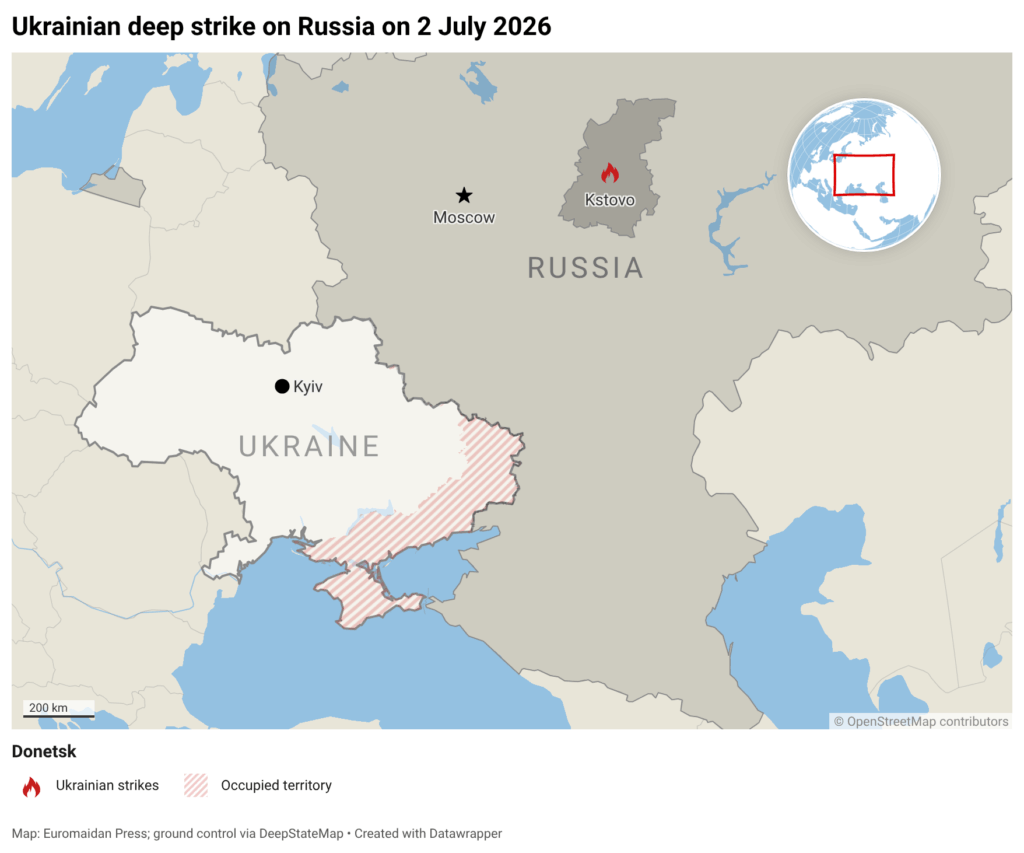
The plant has become one of the most frequently hit targets in Ukraine’s long-range strike campaign against Russian oil infrastructure. Drones struck the facility twice in May, on 18 and 20 May, disabling the AVT-6 primary crude unit and setting fires at two industrial sites. An earlier April strike also knocked out the thermal power plant supplying the refinery’s industrial zone. The scale of damage from the 2 July attack has not yet been disclosed.
About the Author
