- Russia’s newest jet drones are striking grain ships in Ukrainian ports
- A Raspberry Pi microcomputer flies the final attack run, holding the lock through Ukrainian jamming
- Ukraine’s own counter-shipping campaign is running far ahead: 105 vessels struck in eight days
Ukrainian drones are wreaking havoc on Russian ships sailing the Sea of Azov and the Black Sea. But the Russians are waging their own war on shipping, sortieing the latest Geran drones to strike grain ships in Ukrainian ports.
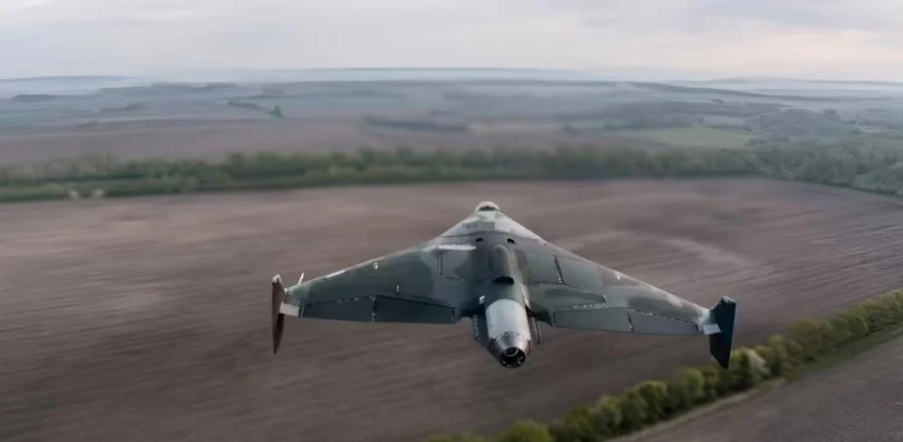
The Geran-4 Seeker drones pummeling Ukrainian ports combine jet propulsion, mesh radio control, and machine-vision targeting run off a Raspberry Pi—the same $50-class hobbyist computer that schoolchildren use to build robots. They’re the best one-way attack drones in the Russian inventory, and cause for concern in Kyiv as the dueling Ukrainian and Russian countershipping campaigns escalate.
On or just before 12 July, Geran-4s penetrated Ukrainian air defenses and targeted ships in the port of Chornomorsk, 20 km south of the larger port in Odesa in southern Ukraine.
Chornomorsk is one of three ports carrying the bulk of Ukraine’s grain to market. Egypt, Algeria and Indonesia bought 62% of Ukraine’s wheat last season—Egypt alone took more than a quarter of it. The ship the Geran-4s went for was carrying somebody’s bread.
AI against AI over Ukraine: Russia’s Shahed now sees its target, and Ukraine’s interceptor sees Shahed
This grain is vital to the Ukrainian economy and to the populations of food-poor countries. It’s also a top target in Russia’s ongoing terror campaign. The Geran-4s that reached Chornomorsk in recent days struck at least two grain ships with warheads weighing as much as 90 kg.
It’s unclear how much damage the Geran-4s inflicted. What is clear is the difference in scale between the two campaigns. Since 6 July, Ukrainian one-way attack drones have struck 105 vessels belonging to Russia’s unregistered “shadow fleet” on the Sea of Azov and the Black Sea.
The shadow fleet hauls critical war supplies including fuel to Russian forces in occupied southern Ukraine, and also carries commercial goods—again including fuel—out of the Black Sea. Ukraine launched its countershipping campaign eight days ago, and has been striking the fleet at a rate of better than a dozen vessels a day since.
Different campaigns
The difference in scale is partially attributable to the Ukrainian command and control advantage. Ukraine still has access to Starlink satellite terminals. Russia doesn’t. To navigate to a Ukrainian port through intensive Ukrainian electronic warfare, Russian drones need redundant communications and terminal autonomy.
The 3.5-m Geran-4 has both, thanks to its mesh radio modem—which links to other drones to form a resilient control network—and the Raspberry Pi microcomputer running machine-vision software. The operator picks out the ship and locks the drone onto it. From there the Raspberry Pi flies the attack, holding the lock through the jamming that would otherwise break the operator’s radio link in the last seconds.
“Seeker is controlled by an operator via a radio mesh modem, but it can be locked onto a target and handed over to its machine-learning algorithms to complete an attack in the presence of EW jamming,” Canadian drone expert Roy noted.
Russia has recently deployed a “Seeker” version of the Geran-2 (Shahed) UAV that is intended for particularly important targets.
It features several cameras operating in different modes, automatic target recognition, and autonomous terminal guidance based on a Raspberry Pi.
1/ https://t.co/lEF1ZOClVt pic.twitter.com/1yGUi6FeAR— Roy
(@GrandpaRoy2) July 1, 2026
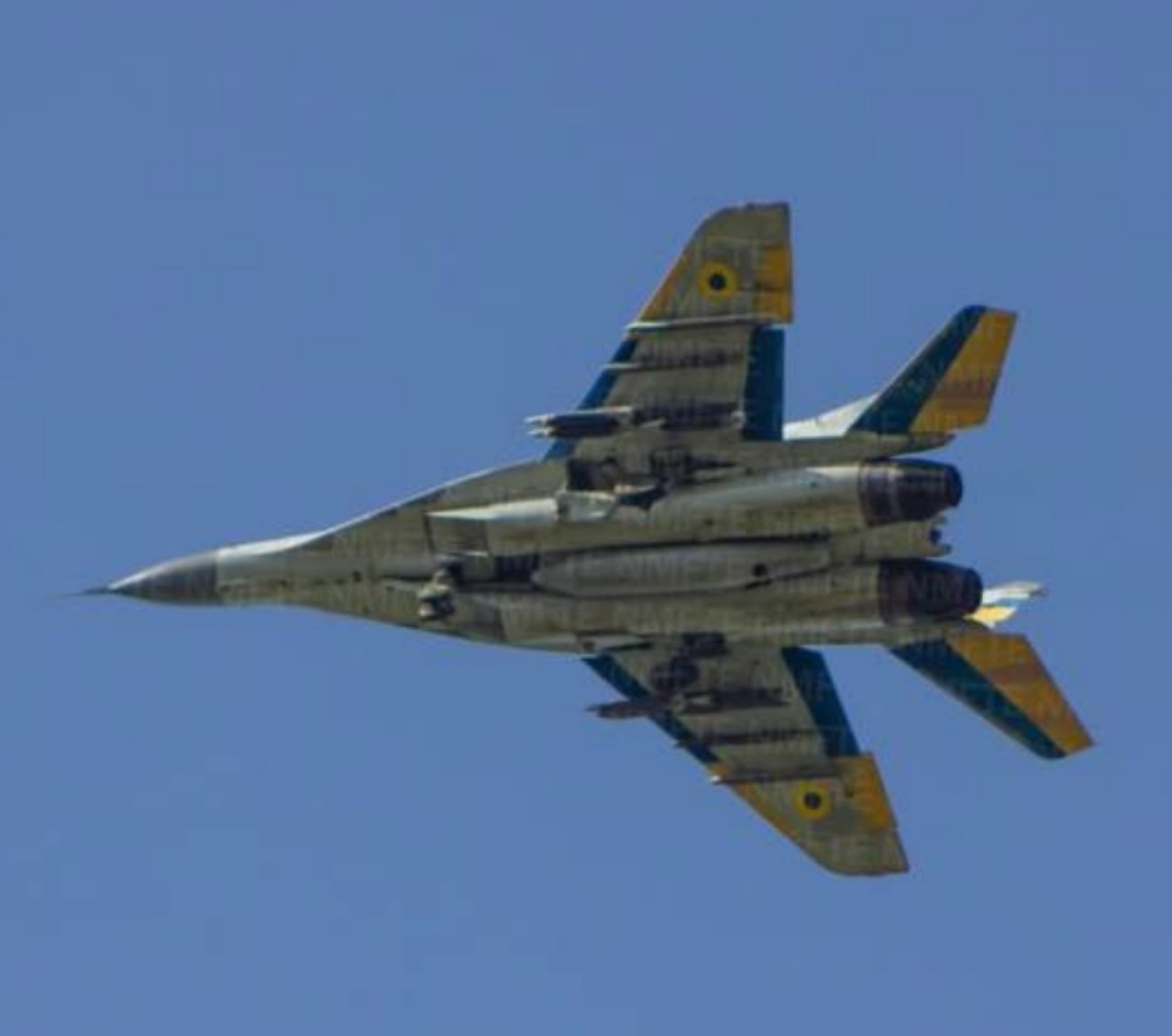
Ships aren’t the only targets in the Geran-4s’ crosshairs. The jet-propelled drones also struck two Ukrainian air force Mikoyan MiG-29 fighters on the ground at Voznesensk airfield in southern Ukraine on or just before 27 June. Where older, propeller-driven Gerans cruise at just 340 km/hr, the jet-propelled Geran-4 cruises at 500 km/hr or faster. The newer, faster drone outpaces many Ukrainian interceptor drones, making it harder to take down by kinetic means.
That doesn’t mean the Ukrainians are powerless to stop Geran-4s from striking grain ships in Ukrainian ports. Faster interceptor drones are coming. In the meantime, ports would benefit from additional guns and surface-to-air missiles.
Longer-term, the same Ukrainian deep-strike forces that are chasing down Russian ships are also targeting the factories deep inside Russia that build the components for munitions including the Gerans. Hit enough factories frequently enough with sufficiently powerful missiles or drones, and the Russians won’t be able to build enough Gerans to sustain intensive attacks.
Ukraine lost three fighters in one day—one outranged in the air, two caught on the ground. The Gripen fixes both
About the Author
