Poland will not lift its ban on Ukrainian agricultural imports for now, Deputy Agriculture Minister Adam Nowak announced in Brussels, Polskie Radio reported. The refusal keeps one of three national embargoes in place as the new EU-Ukraine trade agreement approaches. For Kyiv, access to European markets remains a strategic source of wartime export revenue.
Warsaw sees no way to move first
Warsaw justifies the ban by the need to protect their farmers’ interests. Nowak stated:
“We see no possibility of lifting this ban unilaterally. It would deal a blow to the Polish food market and thus bring losses for consumers. Ukraine received access to European markets without complying with all the standards, while Polish farmers are obliged to meet them. This is the only way to stabilize the situation on the Polish market,” he claimed.
The Deputy Minister called the current moment especially difficult ahead of the harvest. Grain prices remain very low, he claimed, while farmers struggle to find storage.
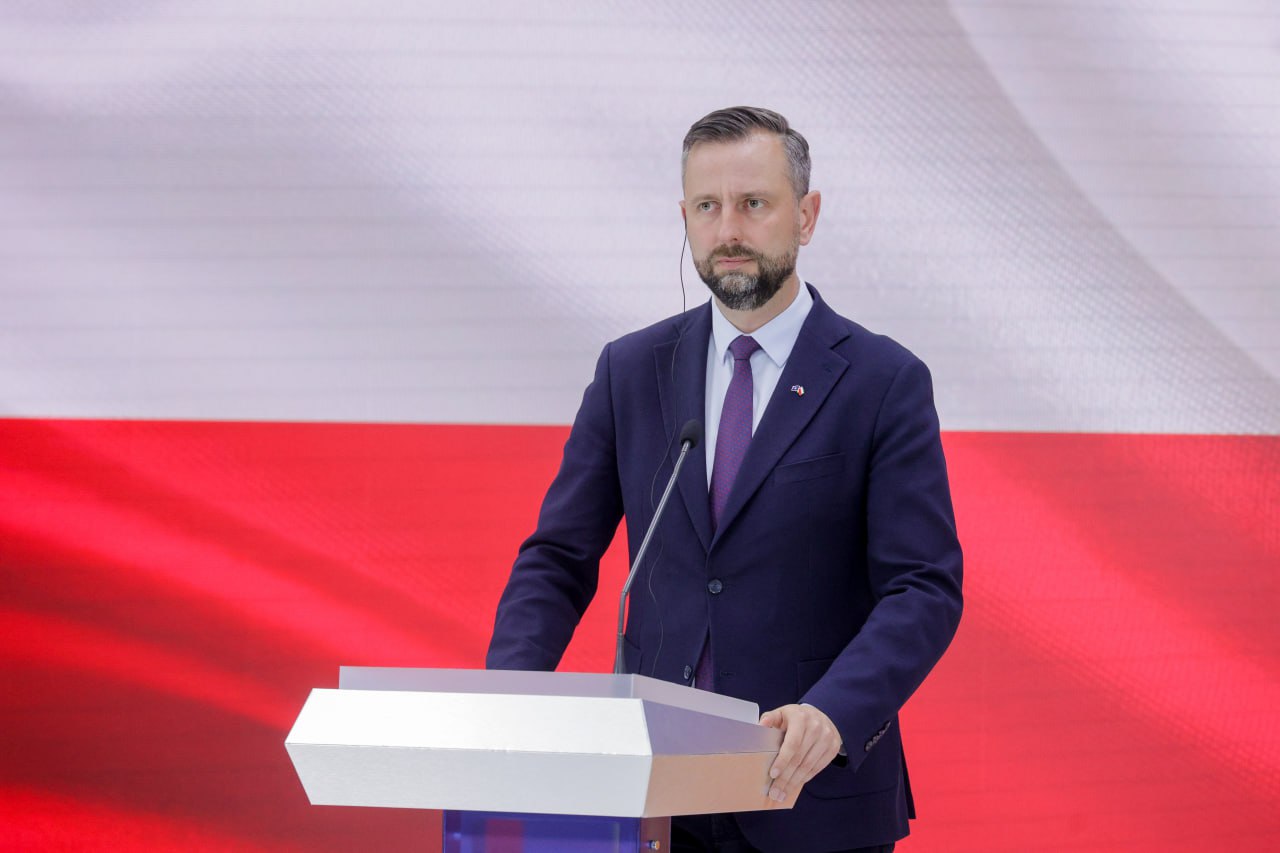
Poland armed Ukraine with Patriot missiles. Its president’s camp called it “treason”
Three embargoes against one trade deal
The new trade agreement between the EU and Ukraine takes effect from November, according to Polskie Radio. In theory, all unilateral trade restrictions must then disappear. Poland, however, keeps its own embargo, and Slovakia and Hungary do the same.
For Ukraine, European market access carries strategic weight, not just economic value. The agrarian sector depends heavily on exports, and foreign-currency revenue from agricultural deliveries grew by more than 9% in the first months of 2026. Ukraine produces far more than its internal market can absorb. Export restrictions, therefore, hit the sector’s stability directly, along with the foreign-currency inflows the state budget relies on.
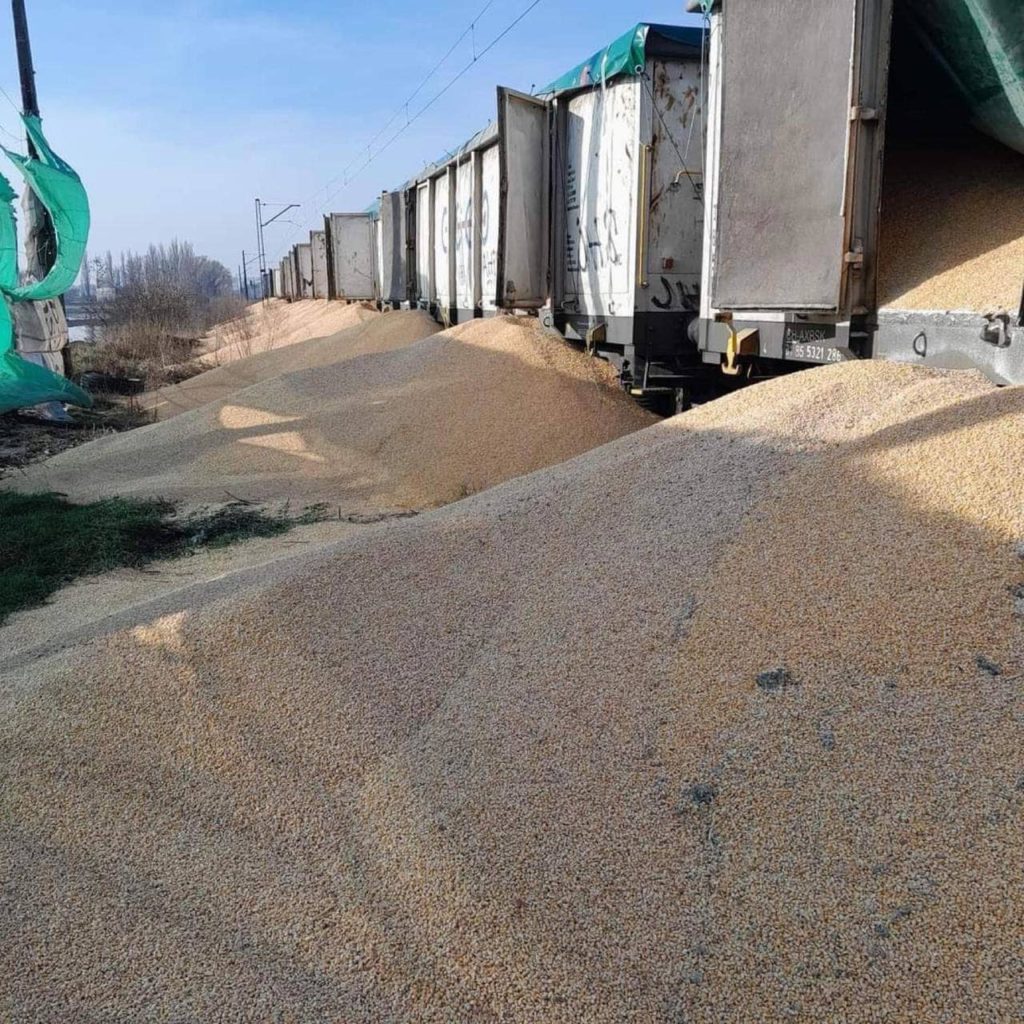
- In 2023–2024, Polish farmers and truckers repeatedly blocked border crossings in both directions, at times spilling Ukrainian grain from trucks and railcars.
About the Author
