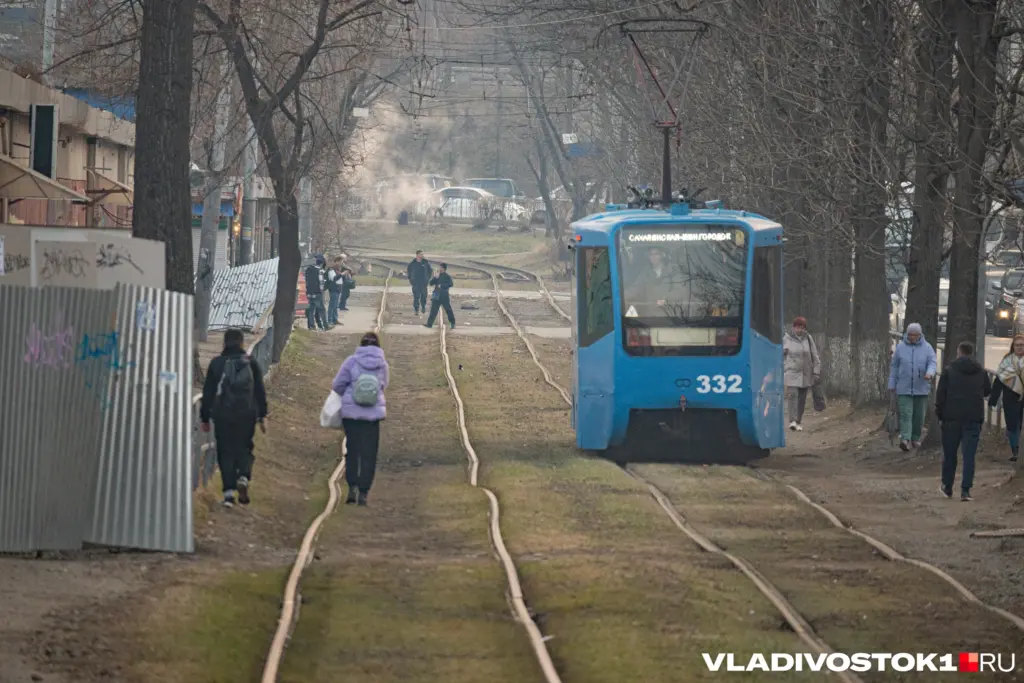
Russia’s fuel crisis has reached the bus stop, with carriers in at least 25 regions raising public transport fares, The Moscow Times reported. Ten more regions have cut routes or reshuffled schedules as Ukrainian drone strikes on refineries starve the market of gasoline and diesel. The squeeze is hitting small carriers on suburban routes hardest.
Intercity fares outrun inflation by 30 points
Russian investigative outlet Vazhnye Istorii counted the fare hikes and route cuts from media reports across 35 regions. Fuel shortages have sent diesel and gasoline prices sharply higher, and spare parts have grown more expensive alongside, driving up carriers’ costs.
Across Siberia, the hikes are concrete
In Irkutsk, Siberia, the municipal carrier Irkutskavtotrans raised fares 20% from 1 July, from 37 to 45 rubles ($0.57), while private operators added almost a quarter. The 50-km ride between Irkutsk and Angarsk jumped more than 30%.
In Altai Krai, the private company Transmagistral lifted its Barnaul–Novoaltaisk fare from 85 to 90 rubles ($1.15). At the current rate, the gasoline prices reached $1.15 a liter, or about $4.35 a gallon, and diesel at $1.17 a liter, roughly $4.45 a gallon.
In Buryatia, rides to Ulan-Ude from remote villages 250–350 km away rose more than 10%. A trip from the village of Isingi now costs 1,700 rubles ($22) instead of 1,500 ($19).
Half of Russia’s refining sits idle
The Moscow Times noted that the crisis now covers practically the whole country. Sources familiar with the matter told Reuters that Ukrainian drone strikes have knocked out about 40% of Russia’s refining capacity. In the second week of July, gasoline output fell 35% to 75,000–80,000 tons a day, against summer demand of 115,000–120,000 tons.
EA Analytics put July’s crude processing at 3.91 million barrels a day, the lowest since 2005. Energy Intelligence gives an even lower estimate of 3.58 million barrels, potentially the weakest figure since 2002, with about half of Russia’s refining capacity standing idle.
About the Author
