- Ukrainian drone units aren’t just trying to strike Russia’s shadow fleet
- They’re trying to strike the ships without spilling fuel or oil
- But that requires very accurate strikes
Ukraine’s drone force is walking a fine line as it escalates its attacks on Russia’s unregistered commercial “shadow fleet” in the Sea of Azov and eastern Black Sea. The drone operators are trying to immobilize the ships without breaching their hulls and spilling fuel or crude oil into the water.
That fleet is a big piece of how Moscow keeps its war funded—the aging tankers move Russian oil around Western sanctions—which is why Ukraine’s drones have spent the past two weeks hunting it across the Azov and Black seas at better than a dozen ships a day.
“The goal is not to pollute the sea with oil spills; therefore, there must be no hull breaches,” wrote Robert Brovdi, commander of Ukraine’s independent Unmanned Systems Forces.
Instead, Brovdi stressed, the objective is “irreversible paralysis of oil, fuel and cargo logistics operating around sanctions. Turn every self-propelled vessel into a drifting barge, blind and deaf.”
Magyar’s dairy update: Bird’s Milk is back on the menu
MoLoChKa’s bird’s milk, courtesy of the Unmanned Systems Forces: +12
shadow fleet vessels hunted in the Black Sea on 17 July.
The fleetfall continues indefinitely:
159 vessels struck during the first 12 days of… pic.twitter.com/dNWjz8FiUF
— 414 Magyar’s Birds (@414magyarbirds) July 17, 2026

To immobilize a ship without breaching its hull requires accuracy: the drone must strike the ship’s superstructure or screws, and only its superstructure or screws. Hitting a ship, but hitting it along its biggest part—its hull—risks polluting the already fragile Black Sea ecosystem.
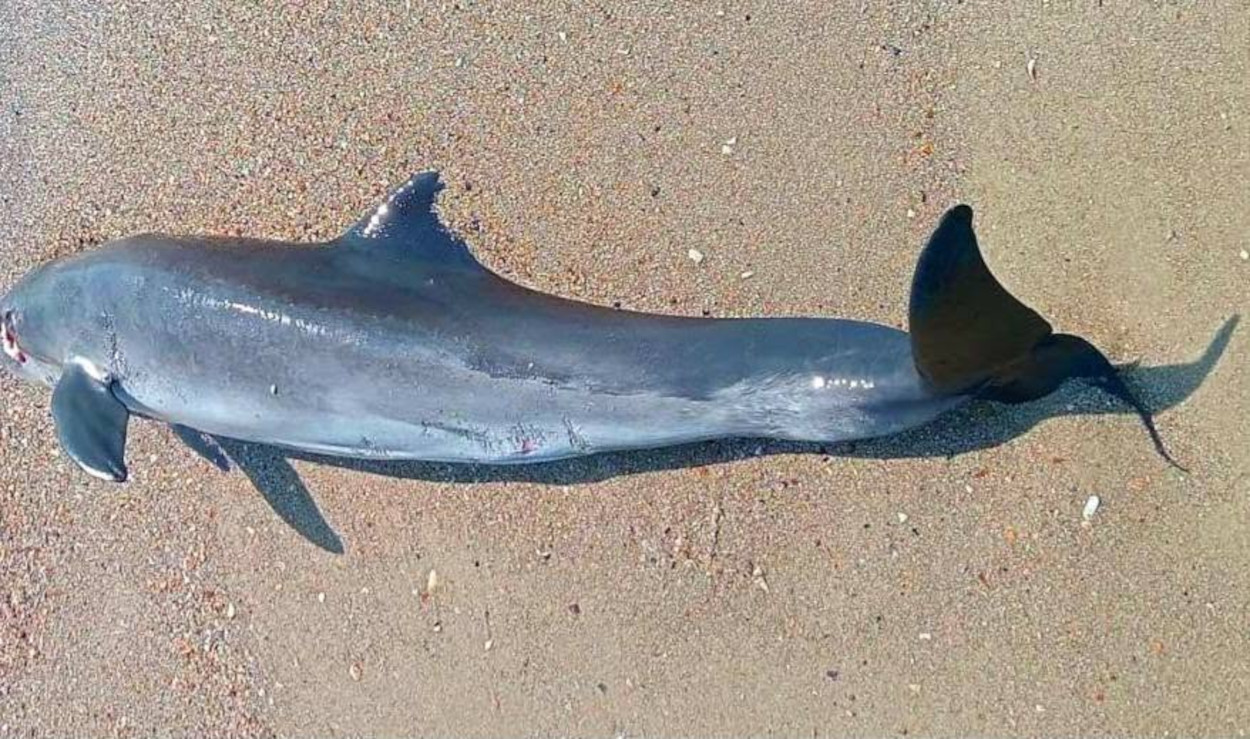
The Black Sea is home to many unique species. But the pollution and stress resulting from more than four years of naval warfare threatens to drive many of these species toward extinction. Scientists estimate tens of thousands of dolphins have died; others have fled to the Black Sea’s southwestern edge in the hope of escaping the poison and noise.
Ukrainian commanders aim to throttle Russia’s sea trade across the Sea of Azov and Black Sea and through the Bosporus Strait into the Mediterranean. But they hope to do it without further harming the ecosystem.
Satellite images published by Dnipro OSINT and dated July 13 show eight previously struck Russian tankers at multiple locations in the Sea of Azov. #Ukraine pic.twitter.com/vzdZQ9OZfP
— NOELREPORTS

(@NOELreports) July 17, 2026
Balancing act
It’s a difficult balancing act. Post-strike imagery from some of the 159 ships Ukrainian drones have struck, by Brovdi’s count, since the countershipping campaign commenced on 6 July shows scorched or burning ships, but no oil slicks. Other imagery depicts oil in the water, however.
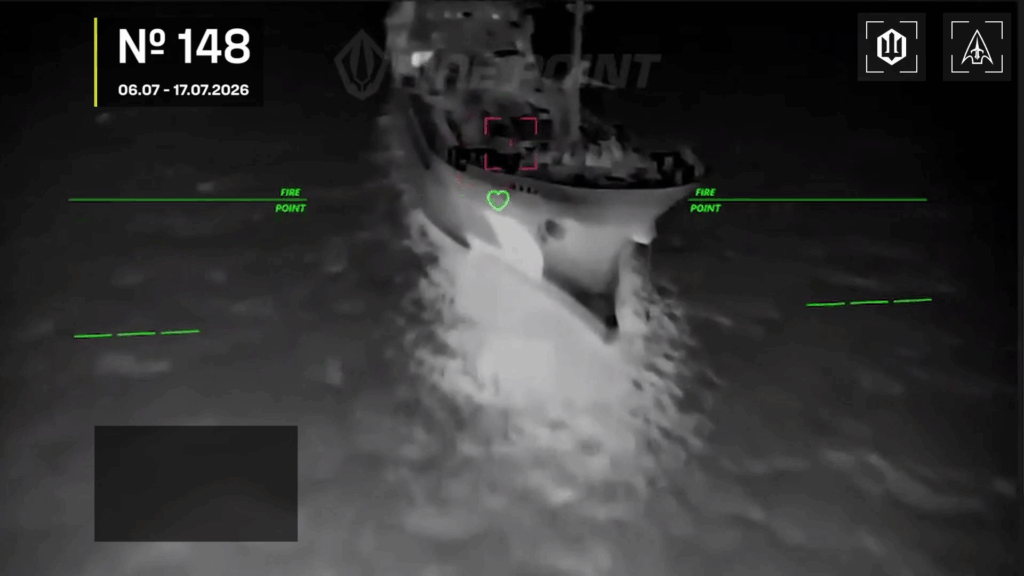
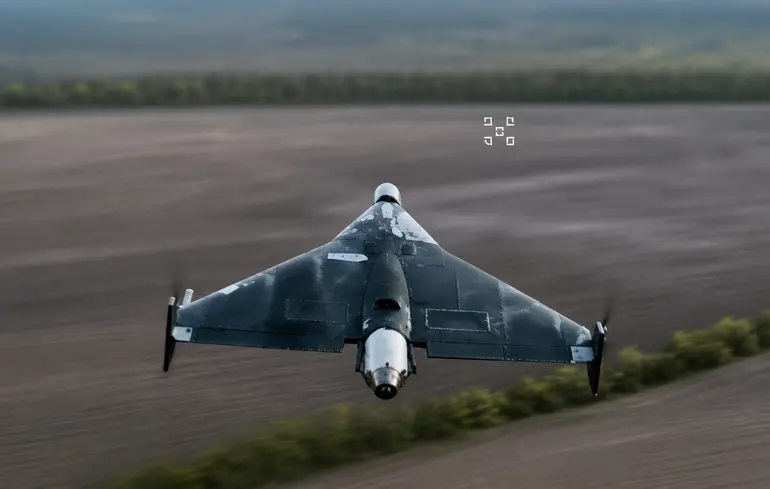
The clean hits point to skilled operators. Videos from the 12-day countershipping campaign depict remote-controlled Fire Point FP-1/2 drones maneuvering to strike the bulky sterns of dry-cargo ships and tankers, where crew and vital above-the-waterline systems are concentrated.
The targeting parameters have narrowed since the strikes commenced. “Initially, they fired at the crew in the wheelhouse—the vessel would be blinded, but the engine would still work, and the crews learned to steer from the wheelhouse using a compass and telephone,” Russian political analyst Igor Dimitriev explained.
A $50 computer just flew Russia’s newest jet drone into a Ukrainian grain ship—and jamming couldn’t stop it
“Then they started firing at the stern: after this, the vessel is left drifting or being towed, and the tugs are also knocked out. The crews usually survive. But a disabled stern is no less unusable, and it also takes up ship repair capacity, which is otherwise almost nonexistent.”
There’s a new complication in this fight for clean anti-ship strikes, however. Some recent videos of FP-1/2 strikes feature the telltale symbology of AI-assisted targeting. More and more Ukrainian deep-strike drones have on-board A.I. systems for automatically spotting pre-programmed target types—trucks, air defenses, ships, helicopters, whatever—and autonomously maneuvering for an accurate hit.
The main benefit of AI targeting is that it works even when Russian radio jamming scrambles a drone’s connection to its remote human operator. The main downside is that AI is only as good as its training. And the AI targeting seems to be struggling when it comes to ships. A video of recent shipping strikes shows one AI guiding a drone to a strike on a tanker’s hold, where the oil is.
The AI may be able to tell a ship from the surrounding water, but it may not be able to tell the best part of a ship to strike for a spill-free hit.
Yet. AI improves as its data set expands. More anti-ship strikes mean more data and better AI.
And, hopefully, more clean hits.
100,000 dolphins killed in the Black Sea because of Russia’s war, Ukrainian scientist warns: “We may lose a unique ecosystem”
About the Author
