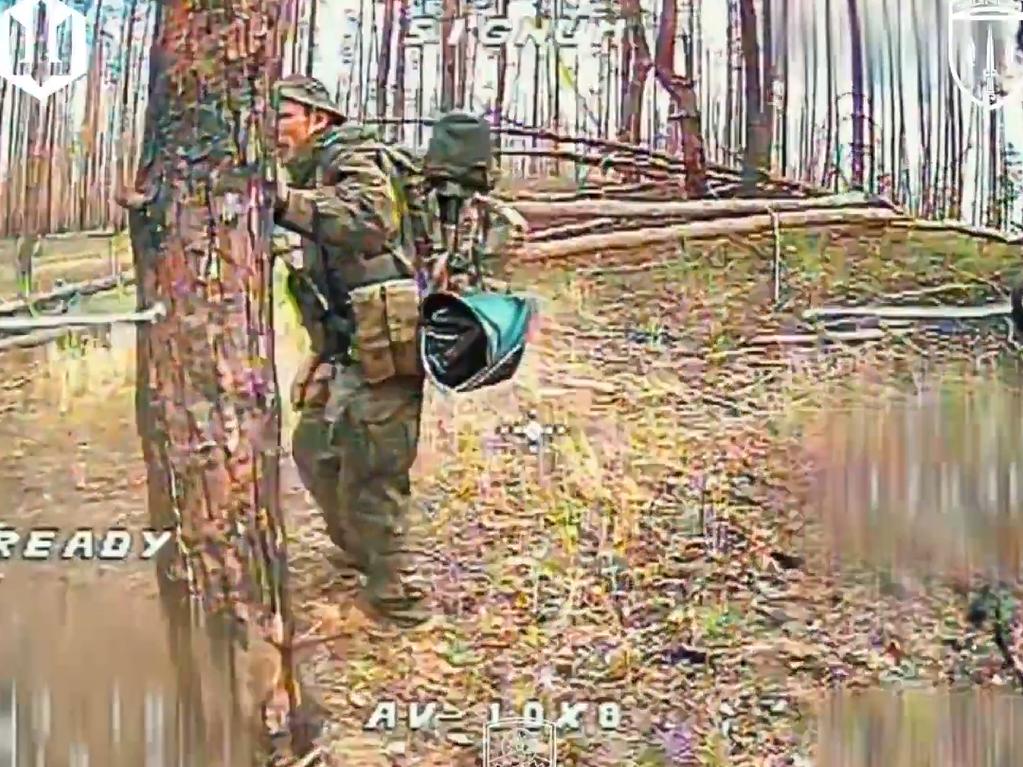
Ukraine’s AI-powered attack drones have cut the average survival time of newly arrived Russian recruits at the front to just 20–30 minutes, CIA Director John Ratcliffe said on 15 July at the Pennsylvania Defense and Innovation Summit.
“Our intelligence is consistent with some of the open-source reporting you may have seen in Ukraine,” Ratcliffe told an audience of arms and technology industry leaders.
That’s because AI-powered drones have become highly specialized, yet low-cost killing machines.
Speaking to some 500 defense organizations at the US Army War College, Ratcliffe framed Ukraine’s drone warfare as a model:
“Ukraine’s mastery of emerging technologies… is such a great equalizer and shows why we have to be leading on this in all respects.”
His remarks come as Washington and its allies weigh new funding for Ukraine’s drone programs and access to the AI-guidance technology behind them.
The drone arithmetic
In March 2026, President of Ukraine Volodymyr Zelenskyy said drones caused 96% of Russian losses that month—roughly 34,000 troops killed or severely wounded by unmanned systems, against 1,363 lost to artillery and everything else. Early in the war, artillery inflicted about 80% of casualties.
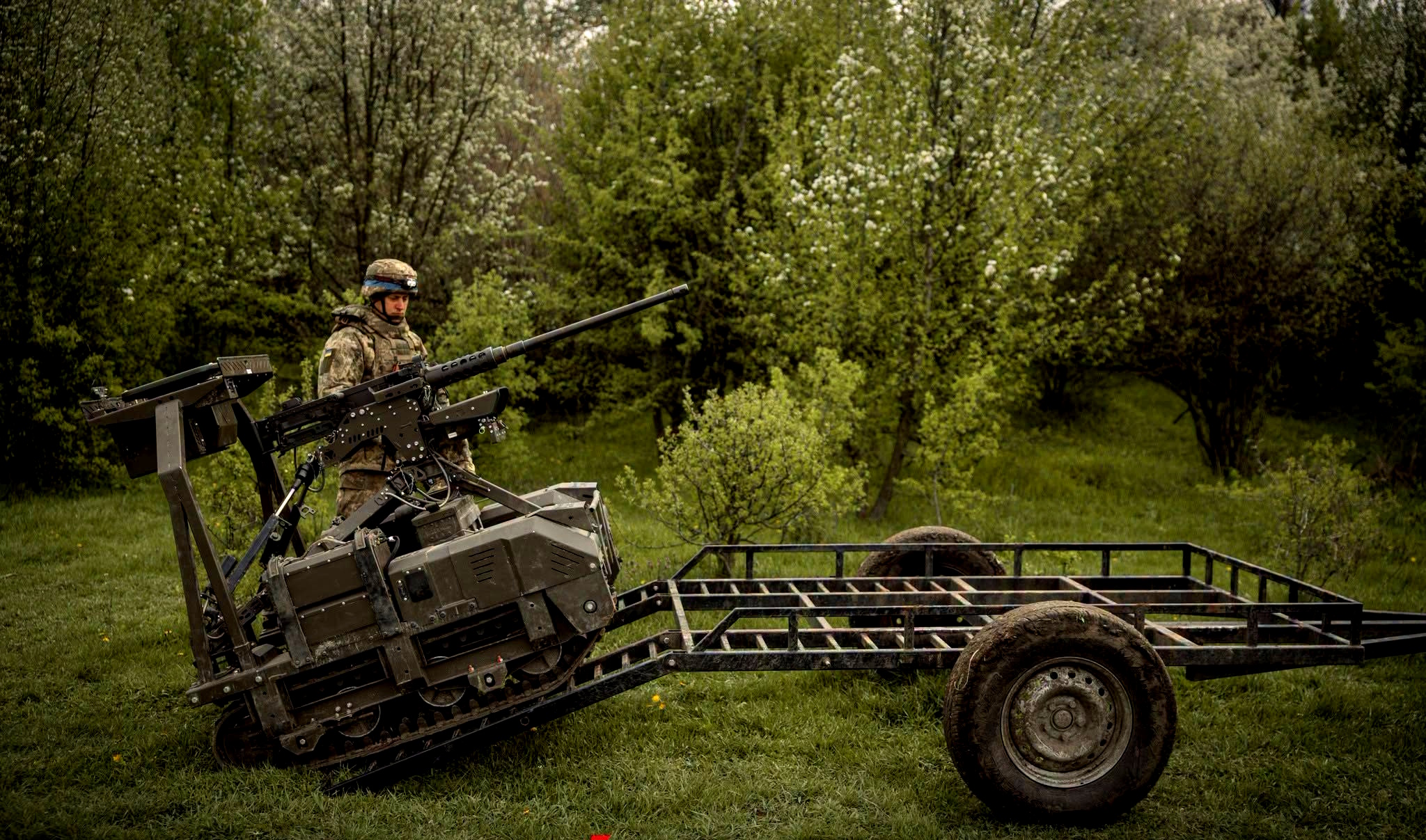
Ukraine is first country to fund combat humanoid robots. But its own battlefield says wheels still win
The highest number of drone-related killings occurs in territory Ukrainian commanders describe a “kill zone.” 20 to 25 kilometers deep on both sides of the contact line. In Donetsk Oblast, Russian forces lost an average of 316 soldiers per square kilometer captured in the first quarter of 2026, up from about 120 a year earlier. That is why Russia traded massed armored assaults for two- and three-man infiltration groups—small enough to slip the drone screen, though most die before reaching Ukrainian lines.
Why Washington is saying it now
Ratcliffe said Russia has gained only about 1% of Ukraine’s territory in the 18 months since he became CIA director, arguing an inferior force has held off a superior one for four and a half years by scaling cheap technology faster than its larger opponent.
The US is now studying that model, weighing new funding for Ukrainian drone production, and negotiating access to the AI-guidance technology behind it. Ukraine makes roughly 10 million drones a year, which Zelenskyy says will double to 20 million. The same day as Ratcliffe’s remarks, Ukraine and the EU finalized a defense-industrial agreement, the Drone Deal.
Read also
About the Author
