Between 92% and 95% of Ukraine’s export grain reaches the ports by rail. The deepwater terminals that once stockpiled up to seven million tons a month can now hold four to five—a gap of about 2.5 million tons a month that the Danube barges, the trucks, and the western rail crossings together cannot come close to filling, wrote Bohdan Kostetskyi, operating partner at the trade and analysis firm Barva Invest.
Türkiye raised its transit fee by about 15% on 1 July, and Ukrzaliznytsia has proposed a 30% rail increase from 1 August.
The country’s main farmers’ union now estimates Ukraine has lost about a third of its capacity to export grain by sea, as reported by Reuters. More than 90% of its farm exports move through three ports in Odesa Oblast, and the country had forecast around 43 million tons for the 2026/27 season, which began in July, compared with 37 million last year.
The squeeze is set to tighten on schedule: Türkiye raised its transit fee by about 15% on 1 July, and Ukrzaliznytsia has proposed a 30% rail increase from 1 August that would add $5 to $6 per ton.
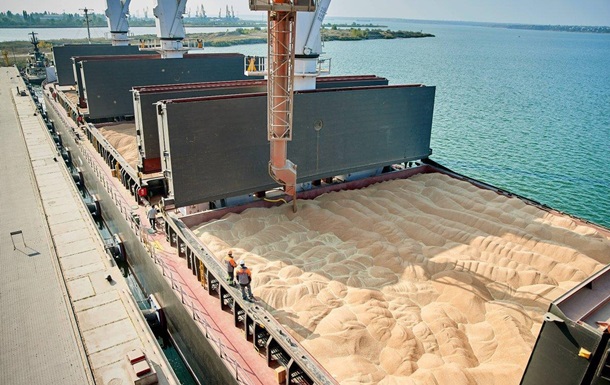
Russia can’t blockade Ukraine’s grain ports, so it bombs them—exports could drop a third
The shock reaches world markets
World wheat markets reacted immediately. Euronext wheat jumped 7% on 15 July to €231.75 ($265) a ton, its highest since February 2025. The move ran both ways: Ukraine has been hitting Russia’s own Black Sea shipping, striking more than 100 vessels in the Sea of Azov and choking a route that carries roughly a quarter of Russian grain exports.
Shipowners have begun refusing to enter Ukrainian ports, citing force majeure.
Major traders have now suspended purchases for delivery to deepwater terminals, and shipowners have begun refusing to enter Ukrainian ports, citing force majeure, Barva Invest’s Kostetskyi said. Four of Ukraine’s 13 large export terminals had stopped buying, industry sources told Reuters.
Kernel, the country’s largest grain exporter, halted operations at its Chornomorsk terminals after strikes on 10–12 July, with around 45,000 tons of wheat and 9,000 tons of sunflower oil lost or damaged, the company reported. Deputy Economy Minister Taras Vysotskyi said the state will do what it can to keep exports at or above last year’s level.

No way around the rail line
By Kostetskyi’s figures, the land alternatives cannot take up the slack. River exports through the Danube ports run about 100,000 tons a month, truck exports roughly the same, and rail to the western border crossings tops out at 300,000 to 400,000 tons—set against the 2.5 million tons of monthly capacity the ports have lost, a trickle.
The zone where trucking can compete with rail has narrowed to about 200 km from the ports.
They are also getting harder to feed: the zone where trucking can compete with rail has narrowed to about 200 km from the ports, so even a rail tariff rise that might, in theory, widen the delivery radius runs into trucking costs too high to close the gap.
Falling prices hit farmers
The damage travels straight to the farm gate. With deepwater buyers gone, purchase prices have fallen within days—rapeseed bids at crushing plants dropped about 1,000 hryvnia per ton (about $24) over the week, and Kernel cut its terminal bids about 200 hryvnia per ton (about $5) in a single day, trade outlet Latifundist reported.
The share of the big bulk carriers that haul grain to Asia has fallen to about 20%, down from 40% to 45% in earlier years.
Every hryvnia off the price lands on producers who, the All-Ukrainian Agrarian Council warns, are being pushed toward running out of working capital for the next sowing campaign. The council, which represents more than 1,400 small and mid-sized producers, has backed port operators in asking the government and foreign partners to widen war-risk insurance and compensation.
War-risk premiums are already built into the sea leg—freight from Constanța to Alexandria runs about $5 per ton cheaper than from Odesa, and the share of the big bulk carriers that haul grain to Asia has fallen to about 20%, down from 40% to 45% in earlier years. Türkiye’s higher transit fee and the proposed rail hike would pile several more dollars per ton onto grain that is already struggling to reach a ship.
The rail line still carries almost everything.
Kostetskyi does not expect a full, prolonged shutdown of maritime exports, reading the current strikes as a fixed campaign window rather than a permanent blockade. But the constraint he describes does not lift when the strikes pause. The rail line still carries almost everything, the ports still handle less than they did, and the routes meant as a fallback were never built for this.
About the Author
