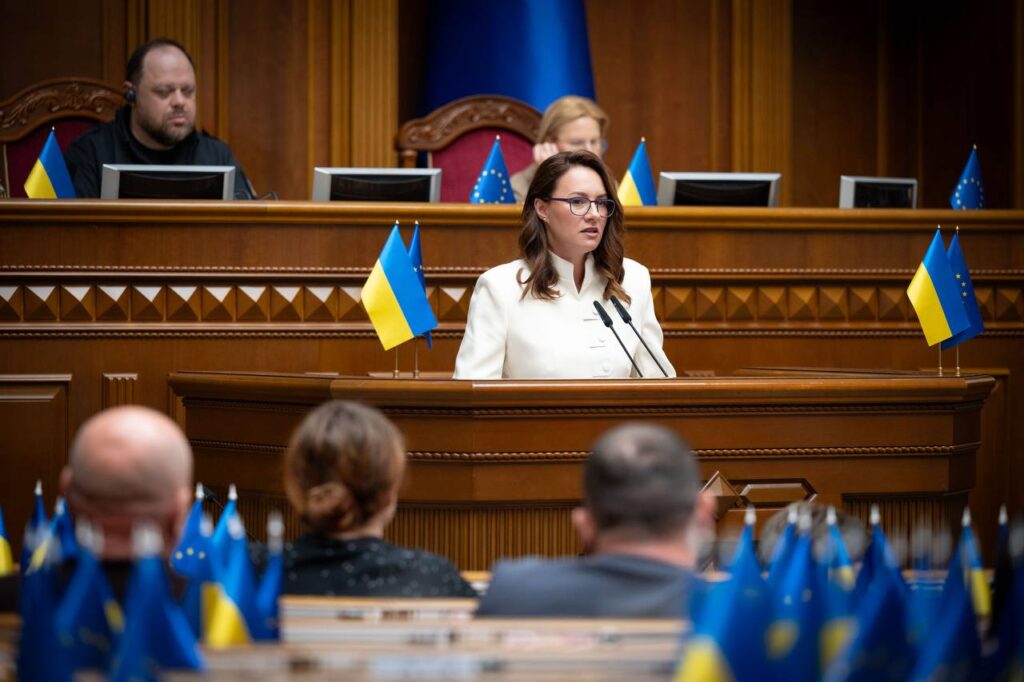
Ukraine’s parliament dismissed Prime Minister Yuliia Svyrydenko on 14 July, 258 votes to one, three days short of her first year in office. No official reason has been given—not by President Volodymyr Zelenskyy, and not by Svyrydenko, who used her last hour as premier to read parliament a list of what her government had achieved.
On 1 July, her Cabinet approved the rules that let partner countries buy Ukrainian weapons directly from the firms that make them. The first permit sent combat drones to the US military. Thirteen days later, parliament voted her out.
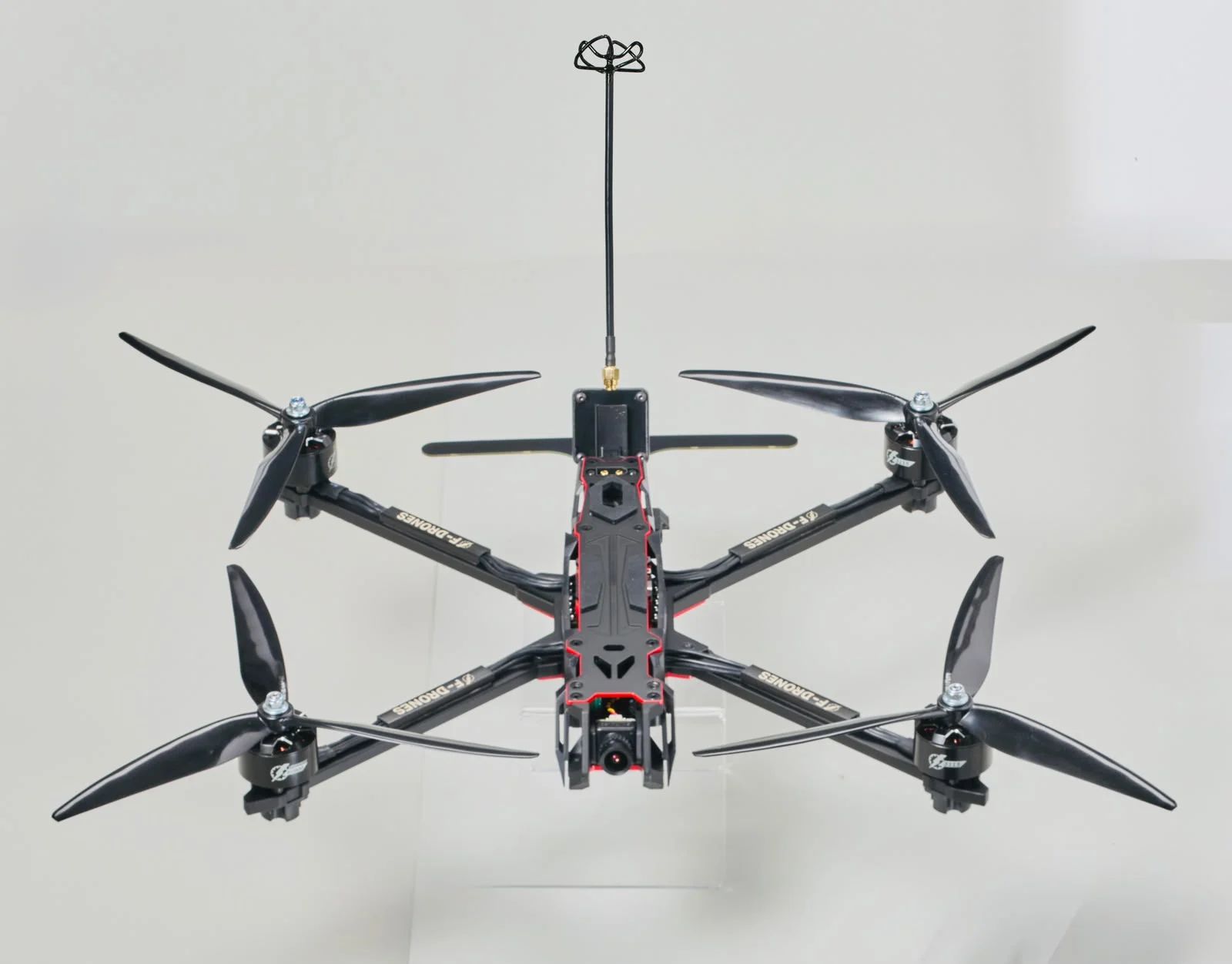
Ukraine clears its first-ever export of finished combat drones — and they went to the US
The ledger
“You also know that I love concrete results,” Svyrydenko said in her address to the parliament, and listed them: record defense funding, an electricity grid that survived the war’s hardest winter, $19.2 billion in international financing, negotiations opened on two European Union accession clusters, and the export mechanism. She thanked the president for his trust.
Parliament raised security and defense spending by 1.56 trillion hryvnias ($35 billion) in June, lifting the 2026 total to a record 4.4 trillion hryvnias ($98 billion).
The defense number is not her arithmetic alone. Parliament raised security and defense spending by 1.56 trillion hryvnias ($35 billion) in June, lifting the 2026 total to a record 4.4 trillion hryvnias ($98 billion), of which 2.3 trillion ($51 billion) buys weapons and equipment. Most of that money rests on the €90 billion ($104.4 billion) EU loan her government negotiated.
Zelenskyy is satisfied with her work and has no complaints, government officials say.
The name that is not in the ledger
Svyrydenko took office days before the largest corruption scandal of Zelenskyy’s presidency broke. The Midas case—a $100 million kickback scheme at state nuclear operator Energoatom—cost her two ministers and, in November, brought down Andrii Yermak, the head of the President’s Office, who resigned after investigators searched his home. He denies wrongdoing.
Her farewell does not mention Yermak, the scandal, or the two ministers she lost to it.
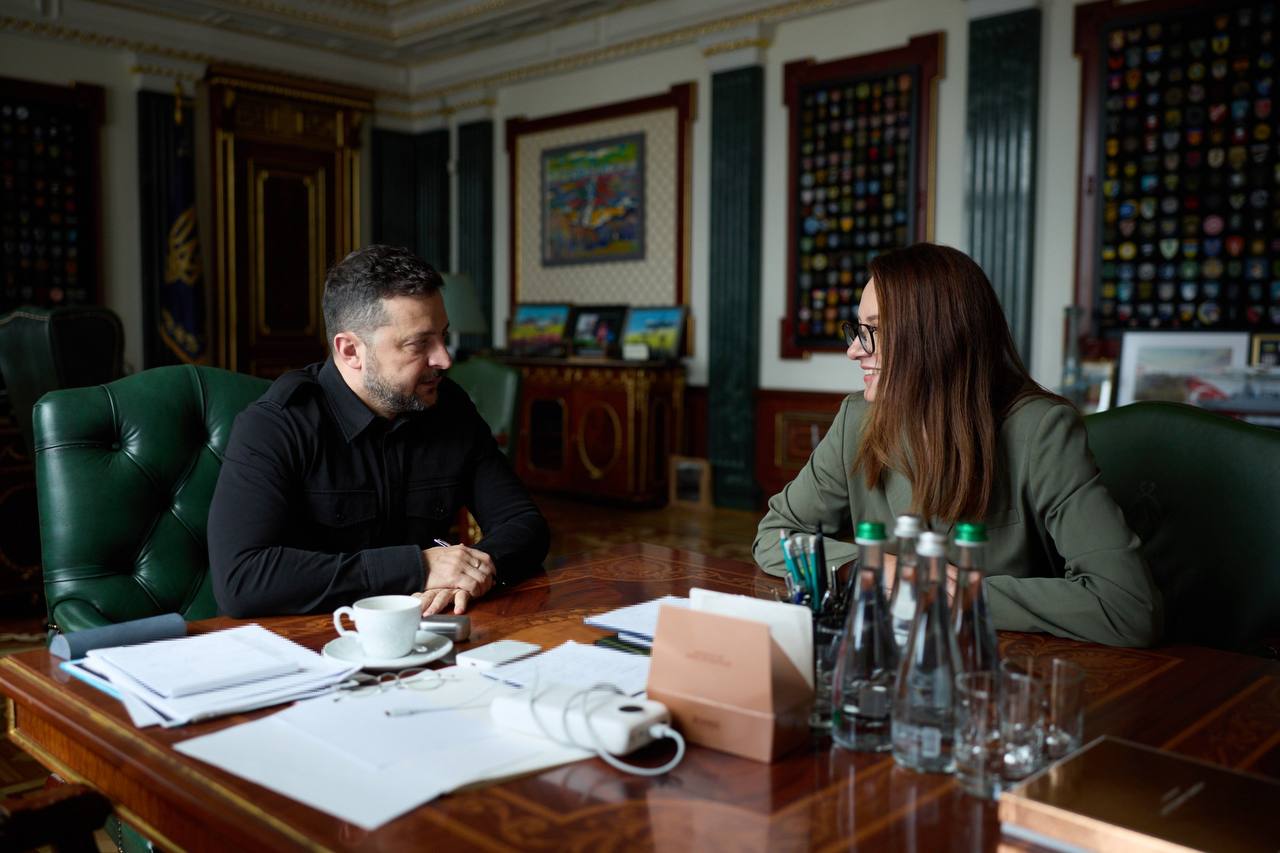
Svyrydenko had been Yermak’s deputy at the President’s Office in 2020–21 and was widely seen as his protégée when parliament made her premier. Her farewell does not mention Yermak, the scandal, or the two ministers she lost to it.
Orysia Lutsevych of Chatham House told RFE/RL that replacing her shows Ukrainians the president is “cleaning up the executive of Yermak’s influence.” Yevhen Mahda of the Institute of World Policy called the decision abrupt: a premier with no public complaints against her went to a meeting with the president and was told to resign.
Svyrydenko cut herself loose from Yermak the moment he fell—but that the public needs to see “de-Yermakization” continue.
Political analyst Volodymyr Fesenko told the Kyiv Independent that Svyrydenko cut herself loose from Yermak the moment he fell—but that the public needs to see “de-Yermakization” continue, including through the replacement of the prime minister.
Twice in one war, without a vote
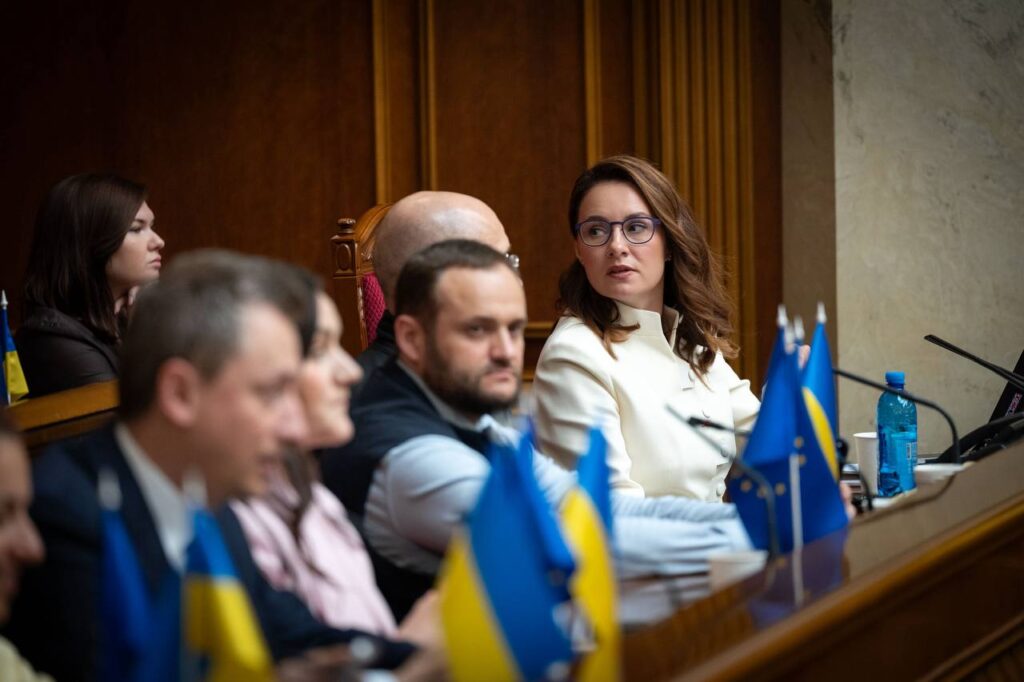
Ukraine has now replaced its government twice during the full-scale invasion, and no election has been held for either. Elections are suspended under martial law, and martial law also prohibits dismissing the Cabinet, a rule Kyiv treated as a gray area when Svyrydenko arrived, and treats the same way now.
The Washington ambassadorship offered as her exit remains unaccepted.
The Cabinet now works in acting capacity, likely under First Vice Prime Minister Denys Shmyhal—the man Svyrydenko replaced a year ago. Parliament votes on a new premier on 16 July, with Naftogaz chief Serhii Koretskyi the front-runner.
Sources say Zelenskyy wants an energy figure in place before the next heating season. The Washington ambassadorship offered as her exit remains unaccepted. She says she will announce her plans now that the government has been dismissed.
Read also
-
Lviv mobilization riot exposes the draft system Ukraine’s government has refused to fix
-
Why Ukraine could not have held a wartime election on 15 May—the operational figures behind a lapsed deadline
-
Why Ukraine’s Cabinet drafted a resolution to fire its anti-corruption chief—and why it never came to a vote?
About the Author
