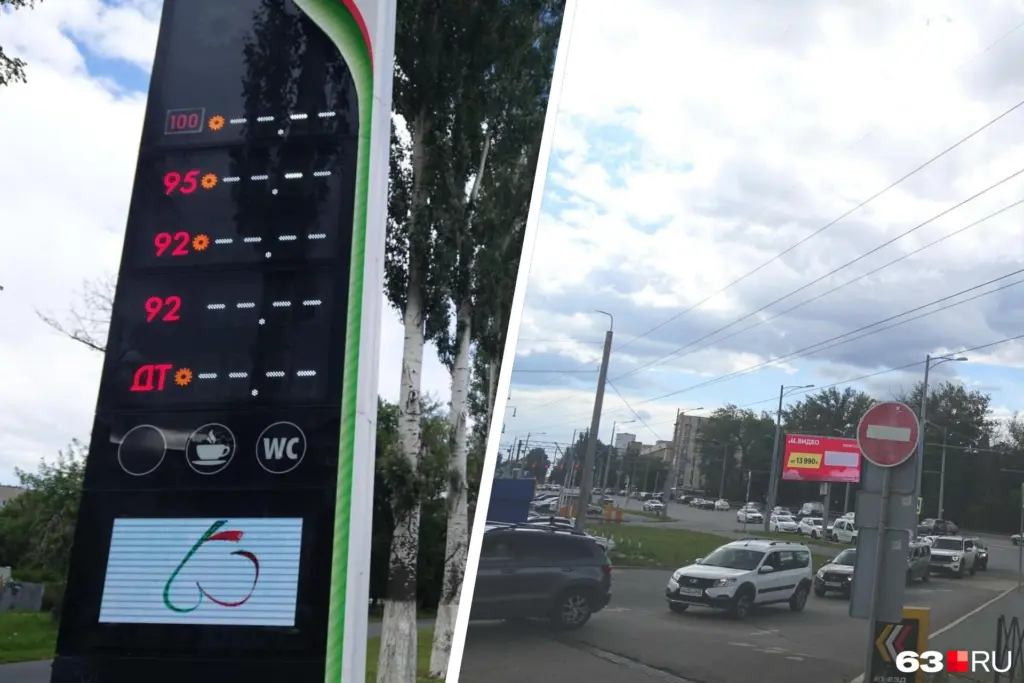
Japan has said its ban on jet fuel exports to Russia applies not only to direct shipments but also to cargoes routed through third countries or transferred between ships at sea.
The statement came after Reuters reported that Russia was preparing to import a jet fuel shipment originating from Japan through a network of traders, as Moscow faces fuel shortages following Ukrainian strikes on Russian energy infrastructure.
Tokyo moves to block sanctions evasion
Japanese Trade Minister Ryosei Akazawa said on 7 July that jet fuel is among the goods covered by Japan’s export restrictions against Russia, Reuters reported.
“Exports to Russia through third countries, including ship-to-ship transfers at sea, are also covered,” Akazawa said, while declining to comment on specific cases.
Japan’s Ministry of Economy, Trade and Industry is working to prevent sanctions evasion by raising awareness among companies, issuing warnings, and sharing information with authorities in Japan and abroad, he said.
Russia sought fuel through intermediaries
Reuters reported on 3 July that Russia was expected to receive jet fuel cargo originating from Japan through intermediaries as the country dealt with fuel shortages caused by Ukrainian attacks on oil refineries and fuel depots.
According to sources familiar with the matter cited by Reuters, the shipment involved at least 200,000 barrels of jet fuel expected to load from Chiba, Japan, before being transported to South Korea and potentially transferred to another tanker near Yeosu before continuing toward Russia.
The sources said the cargo’s final destination was unclear, but the arrangement appeared designed to route the fuel through multiple jurisdictions.
Japan’s latest statement indicates that such transfers would still fall under its export restrictions.
Russian fuel crisis deepens
The reported shipment comes as Ukrainian drone strikes have increasingly targeted Russian energy infrastructure, including oil refineries and fuel storage facilities.
The attacks have disrupted fuel supplies across Russia, prompting Moscow to impose restrictions on fuel purchases as shortages affect transportation, industry, and other sectors of the economy.
Russian jet fuel exports have also declined, according to shipping data cited by Reuters. Russia exported around 13,000 barrels per day of jet fuel this year, compared with approximately 30,000 barrels per day last year.
Japan, alongside other G7 partners, has maintained sanctions and export controls aimed at limiting Russia’s ability to sustain its war against Ukraine. Akazawa said Tokyo would continue enforcing strict controls in coordination with international partners.
Read also
-
“Ukraine is becoming a security provider for Europe”: Ukraine signs Drone Deals with Estonia, the Netherlands, and Denmark as Europe taps Kyiv’s battlefield-tested weapons technology
-
As Ukraine urgently seeks more air defense, Canada announces $900 million military aid package
-
Ukraine’s drones are sinking Crimea’s fuel lifeline, hitting 12 Russian tankers in 2 days
About the Author
