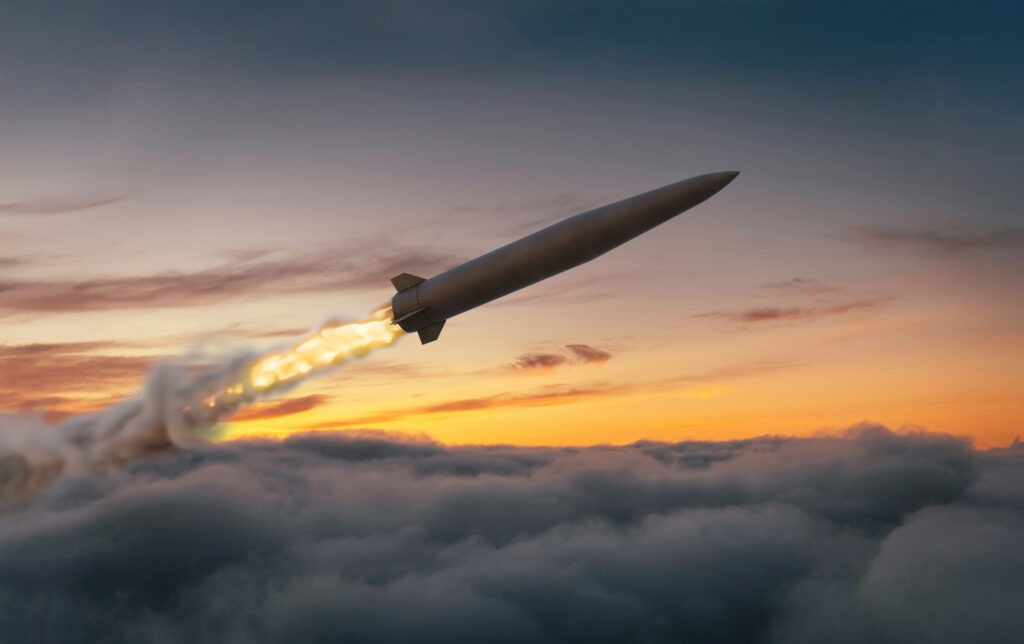
- Ukrainian firms are developing new ballistic missiles
- It’s possible one of the missiles just struck Moscow for the first time
- Ballistic missiles are uniquely difficult to intercept, but development may take trial and error
Ukrainian President Volodymyr Zelenskyy recently called Russia’s ballistic missiles the country’s “last remaining argument in this war,” one against which Ukraine “must find sufficient countermeasures.” High-flying and extremely fast as they streak toward their targets, ballistic missiles are hard to intercept for all but the best surface-to-air systems such as the American-made Patriot—which is why Zelenskyy keeps pleading with allies for more of them.
For four years, that argument has run one way: Russia fires ballistic missiles Ukraine can rarely stop. It may now cut both ways.
On Tuesday, Russians near Moscow circulated photos of S-300/400 batteries engaging something at high altitude over the capital—too high for a drone or a cruise missile—and Russia’s Defense Ministry has since said its air defenses downed a Ukrainian “long-range operational-tactical missile,” a ballistic weapon, in the first such admission of the war.
Ukrainian one-way attack drones and cruise missiles don’t fly high. Ballistic missiles do. “Due to the missile alert issued for the region, and the high altitude in which the interceptions took place at, it is possible that Ukraine used their experimental FP-9 ballistic missile for the first time ever,” AMK Mapping noted.
For two years, Ukraine’s strikes barely scratched Russia’s war factories. Something just changed.
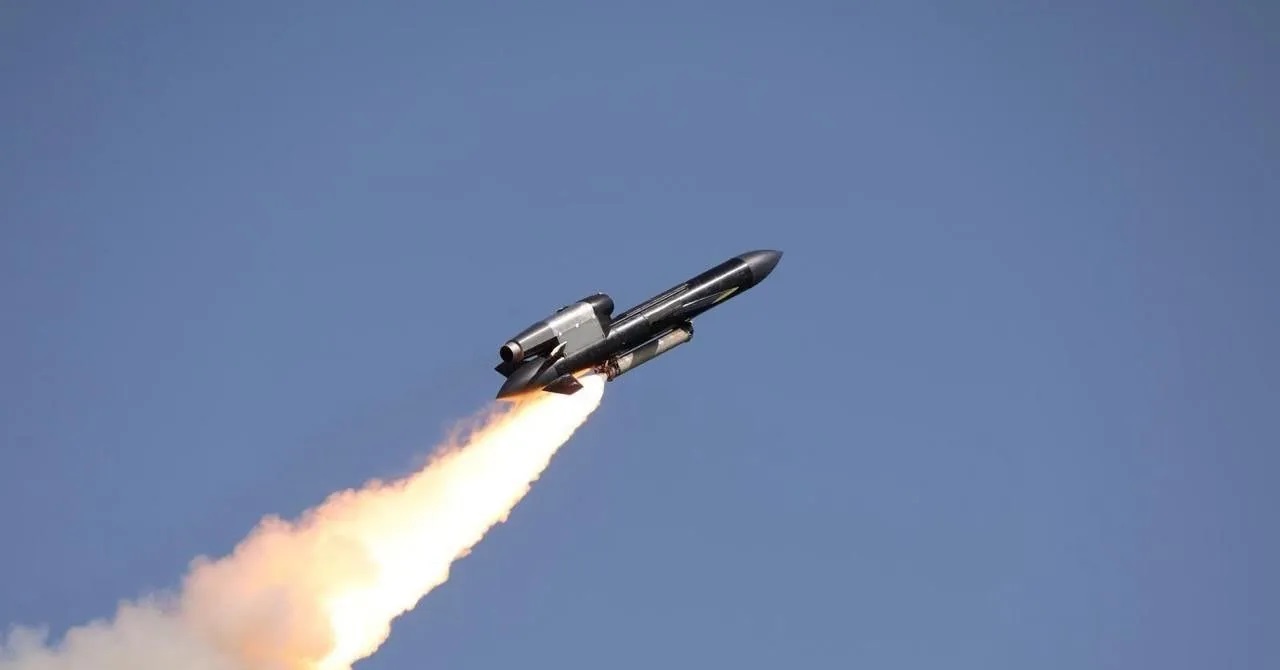
Back in March, Denys Shtilerman, co-founder of Ukrainian munitions-maker Fire Point, claimed the company’s new FP-9 intermediate-range ballistic missile would be ready for deployment by this summer. But Shtilerman insisted it wasn’t an FP-9 that targeted Moscow.
There’s a second Ukrainian ballistic missile that could reach Moscow, which lies just 450 km from the Ukrainian border: the Sapsan from manufacturer KB Pivdenne.
It’s unclear whether the missile, whatever it was, got through Russian defenses and hit anything of value. But the outcome of a possible first ballistic missile strike is less important than the strike itself.
That’s because Ukrainian developers tend to rush new munitions into action in order to refine them. They expect the first few uses, or even many uses, to result in little or no meaningful damage to the enemy.
The damage isn’t the point. The data is the point.
Earlier today, Russian S-300/400 air defence attempted to intercept unidentified Ukrainian projectiles over Moscow at high altitude.
Due to the missile alert issued for the region, and the high altitude in which the interceptions took place at, it is possible that Ukraine used… pic.twitter.com/tEi5qw8UWt
— AMK Mapping
(@AMK_Mapping_) June 30, 2026
Combat trials
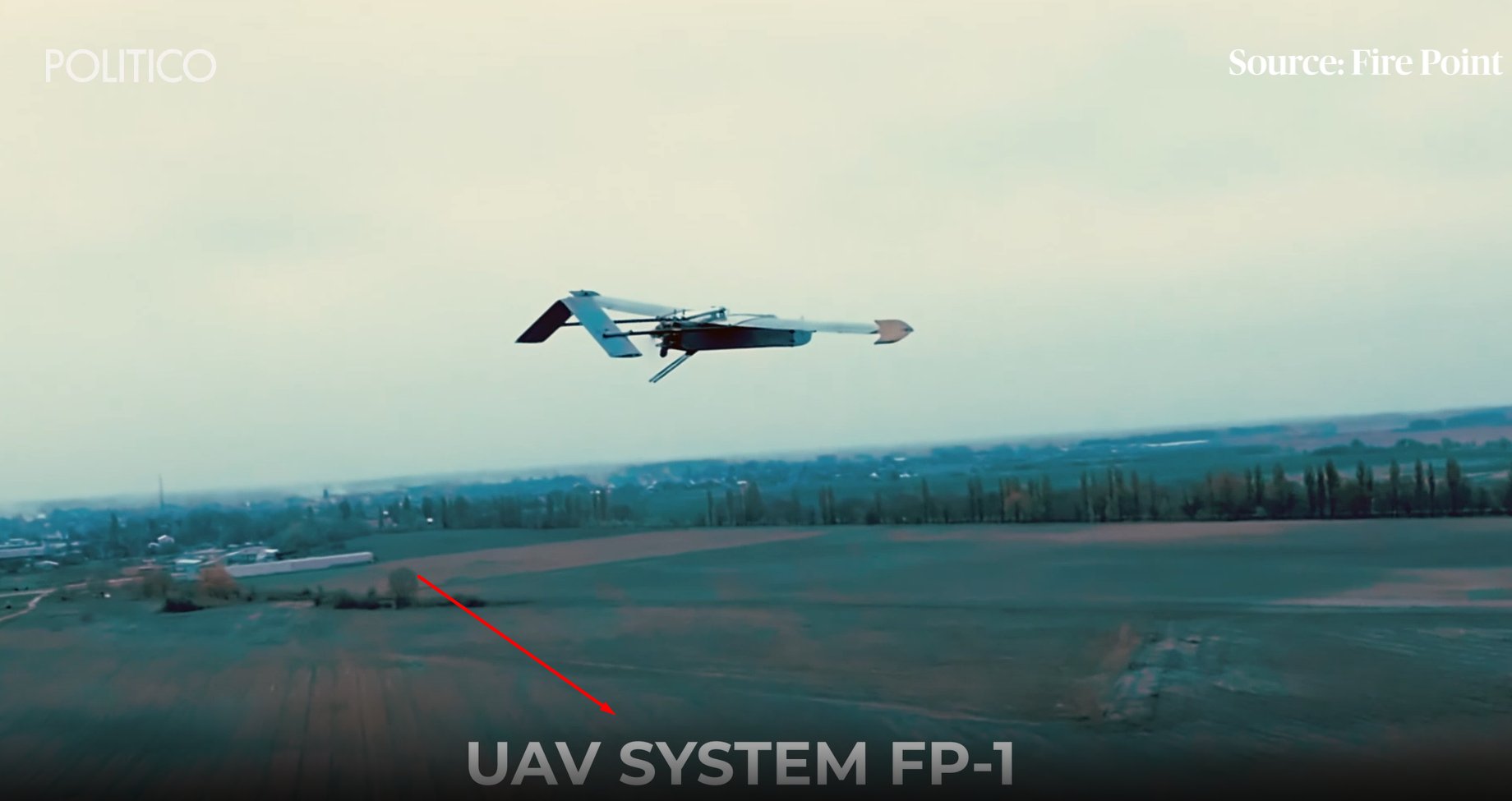
Fire Point, which also produces Ukraine’s best one-way attack drones (FP-1s and FP-2s) and best heavy cruise missiles (FP-5s), is especially fond of combat trials.
Consider that the six-ton, 3,000-km-range FP-5 cruise missile needed a year of combat testing starting in May 2025 before it finally began scoring accurate hits on distant Russian targets and inflicting lasting damage.
The FP-1 and FP-2 drones likewise took months or even years to refine. Fire Point struggled to balance the drones’ fuel payload versus warhead payload so that the drones could reach far-away targets while still inflicting real damage.
In the case of the FP-1 and FP-2, that meant adding fuel tanks to the wings to either add to the drone’s overall fuel capacity (to maximize range) or free up space and payload for more explosives (to maximize damage). The FP-1 carries more fuel and thus ranges as far as 3,000 km with a warhead probably weighing no more than 100 kg. The FP-2 carries less fuel, limiting it to 200 km or so, but packs a nearly 160-kg warhead.
In the FP-5’s case, Fire Point apparently focused on improving the missile’s accuracy by tweaking its internal inertial navigation system.
The FP-9 and Sapsan will need the right balance of propellant and warhead and inertial navigation that can steer it to an accurate strike hundreds of kilometers away. It may take a lot of trial and error to achieve that balance. The sooner the missiles fly toward Moscow, the sooner their developers can perfect them, and begin inflicting real and lasting damage in the city.
And yes, Moscow is the main target. Ukraine’s deep strike forces are increasingly focused on the sprawling Russian capital. Mass drone and cruise missile strikes on Moscow on 18 June and again on Tuesday involved hundreds of munitions apiece.
If the Tuesday raid included the first-ever Ukrainian ballistic missile to strike Russian soil, it’s probably just the first of many to come. And they should get more accurate and destructive over time.
About the Author
