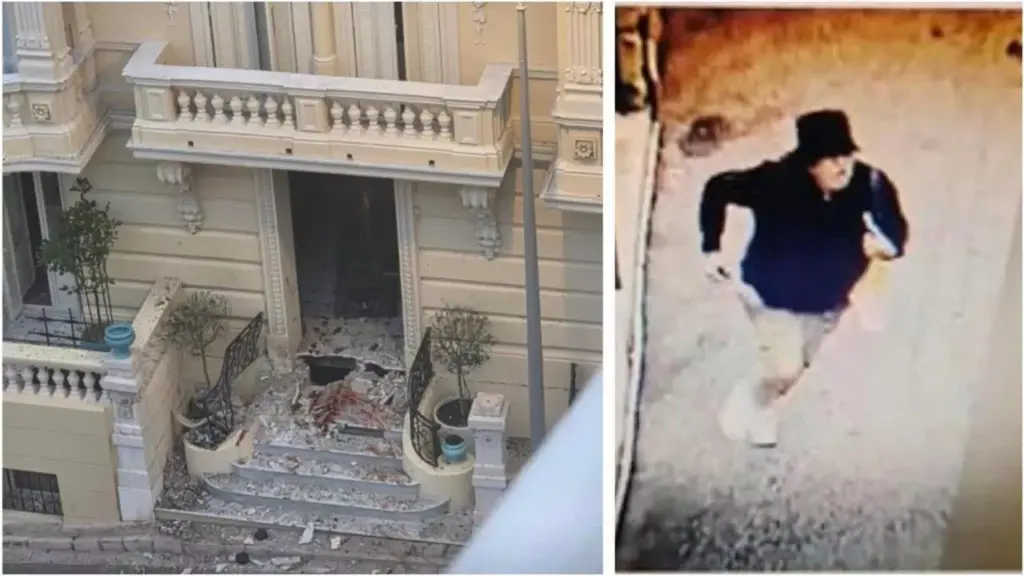
An explosion outside a residential building in central Monaco injured three people on the evening of 29 June, among them a businessman Kyiv sanctioned over his ties to occupied Crimea. According to Le Figaro, prosecutors are treating the blast as a probable attack, the first of its kind the principality says it has ever recorded. Surveillance cameras caught a man leaving a backpack at the door before walking away, and police across Monaco and France are hunting him.
A backpack at the door
The blast hit just before 21:00 on Rue du Révérend Père Louis Frolla on the border with France. Monaco’s government said the device was hidden in a backpack left at the foot of the building. A man set it down and walked off on foot toward the French town of Beausoleil, BFMTV reported. CCTV cameras showed him in beige trousers, a black jacket, and a black hat that hid part of his face.
Christophe Mirmand, the head of Monaco’s government, said the device was likely packed with bolts and metal shot. Prosecutors called the blast a probable attack, but Mirmand urged caution over the legal classification while investigators work. Monaco prosecutor Thibaut Stéphane said it had not yet been established whether the wounded were the target.
Three casualties, one a child
Two adults aged over 50 are in critical condition with life-threatening injuries. A 13-year-old was hospitalized in moderate condition. Authorities took all three to two hospitals in Nice. Four more people were treated for shock without physical injuries.
Monaco then activated its “red plan,” the protocol for incidents with many potential casualties, and French firefighters crossed the border to help. Prince Albert II said every available service was engaged in coordination with France, and the tiny principality called the bombing unprecedented within its borders.
French and Ukrainian outlets reported the blast may have been an attempt on one resident in particular: Vadym Yermolaiev.
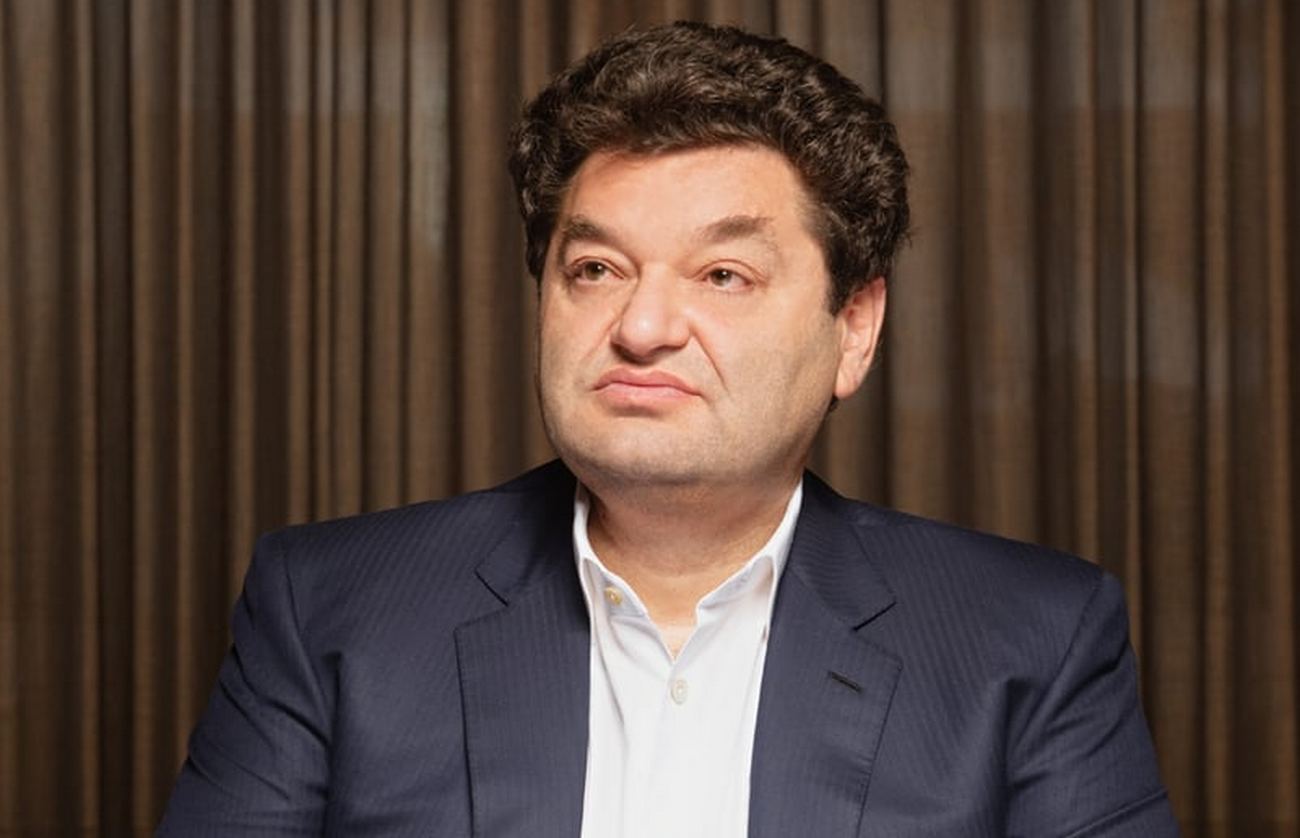
Who is Vadym Yermolaiev
Two Ukrainska Pravda sources in business circles confirmed that one of the wounded is Dnipro businessman Vadym Yermolaiev. Born in Dnipro in 1968, Yermolaiev founded the Alef corporation, with interests spanning real estate, construction materials, agriculture, mining, logistics, and alcohol. One trade outlet ranked his Alef-Vinal among Ukraine’s largest alcohol producers in 2017. Forbes Ukraine has put him among the country’s 100 richest and valued his fortune at $220 million in 2021.
He gave up Ukrainian citizenship for a Cypriot passport, and in 2022 figured in a Ukrainska Pravda investigation, “Monaco Battalion,” into wealthy Ukrainians who settled on the Côte d’Azur during the full-scale war.

Ukraine’s vape market is 93% illegal. The trail leads to a sanctioned Russian oligarch.
Why Kyiv sanctioned him
In 2023, Ukraine imposed personal sanctions on Yermolaiev for ten years. According to the Security Service of Ukraine (SBU), alcohol businesses tied to him were re-registered under Russian law after Crimea’s occupation, kept operating on the peninsula, and paid taxes into Russia’s budget. A joint investigation by Current Time documented how his Alef-Vinal split operations after the annexation — selling wine with a Crimean “protected geographical indication” in Russia while bottling for Europe and the US on the mainland, using the same grapes to skirt sanctions.
Russian oligarch found legal weapon to kill Western sanctions — and a former UK PM’s wife is on his team
- Versobank, Yermolaiev’s Estonian bank, lost its license in 2018 over money-laundering breaches.
- After the sanctions, he may have handed his business to his daughter to skirt them.
- In 2024, a firm tied to his group was set to supply granite for Ukraine’s military cemetery.
- In December 2025, his son was detained in Cyprus over a €100 million call-center fraud network, then extradited to Estonia.
Read also
-
“Three-day war,” now in year five: Russia has missed 15 of its own deadlines to seize Donetsk Oblast since the 2022, Zelenskyy says
-
Nine in ten Russian missiles and drones carry Japanese parts. Ukraine wants Tokyo to close gap
-
Not burden: Ukrainian refugees in Moldova opened 200 businesses and paid $90 million in taxes since 2022
About the Author
