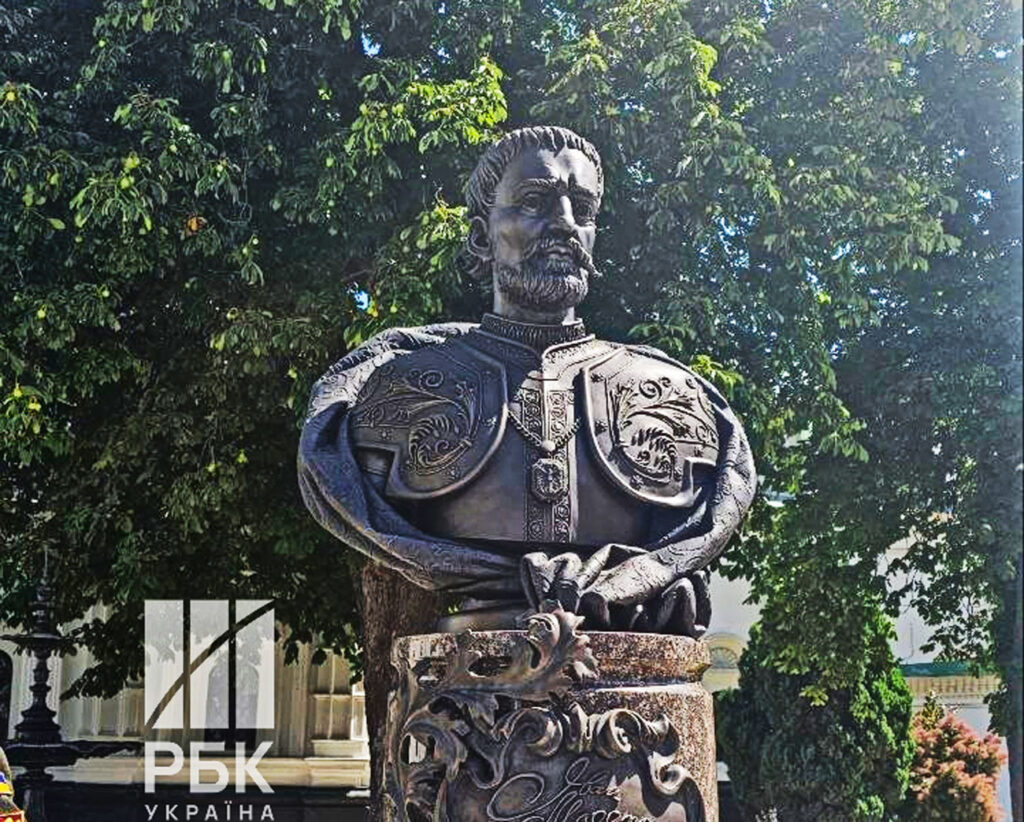
Ukraine has unveiled a bust of 17th-to-18th-century Cossack leader Ivan Mazepa and floated a far bigger tribute to follow, according to RBC-Ukraine. The Ukrainian President proposed building a full monument to the hetman on a central Kyiv boulevard, on the spot where a Soviet statue once stood. He framed both steps as restoring historical justice to a figure Russia has condemned for three centuries.
A bust at the Lavra
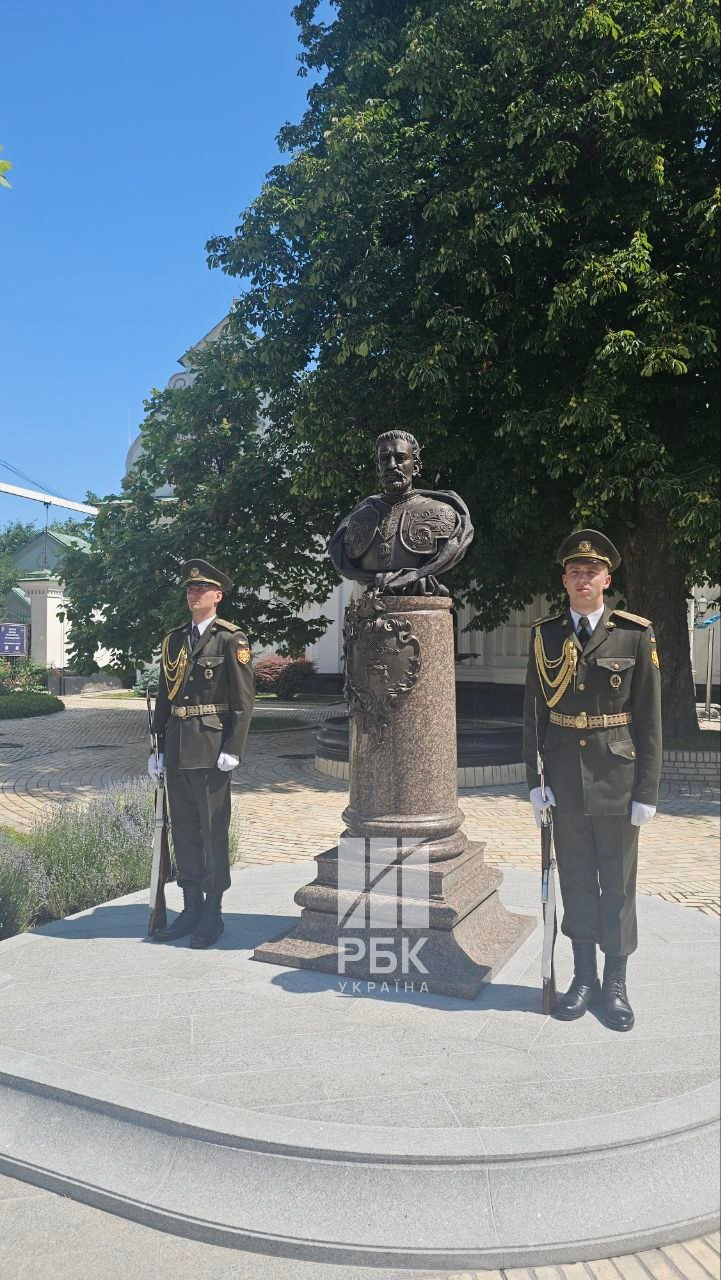
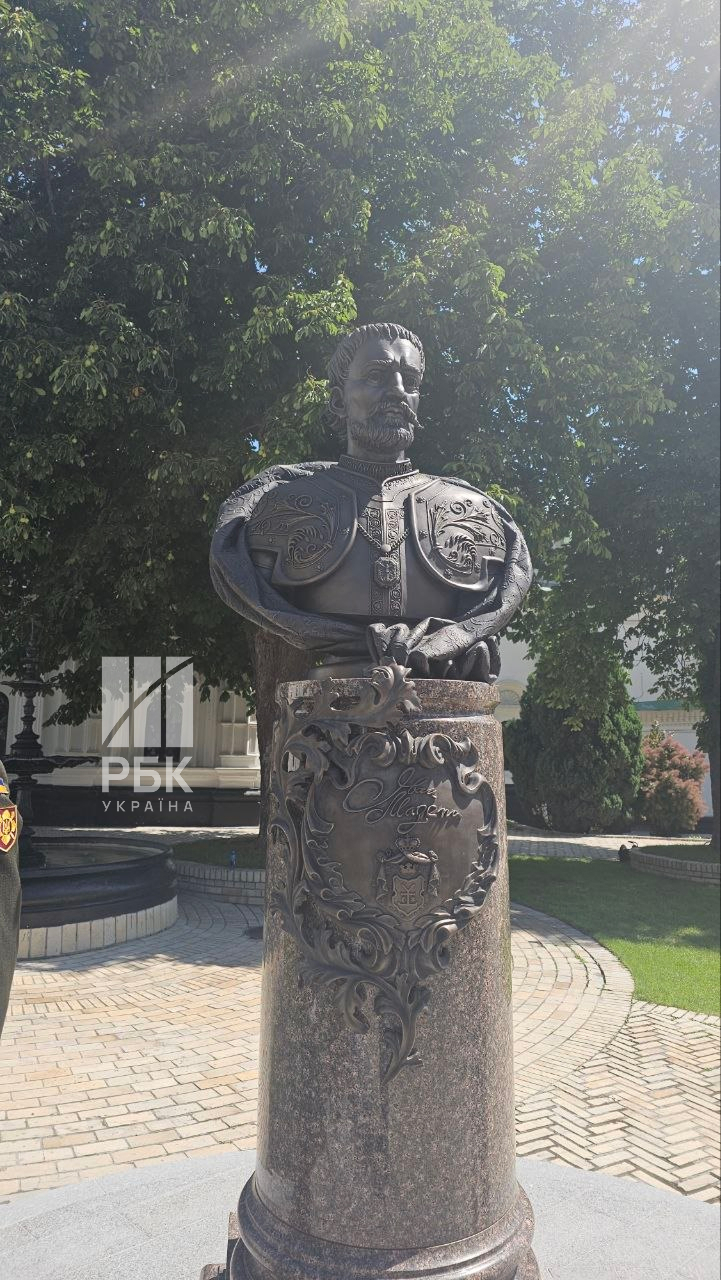
The bust went up on the grounds of the Kyiv Pechersk Lavra, the cave monastery that Mazepa funded lavishly during his rule. Speaking at the unveiling, President Volodymyr Zelenskyy said Ukraine was correcting another historical injustice.
“Today we are righting one more historical injustice. From now on, the bust of the great Ukrainian and patron of the Lavra, Ivan Mazepa, will rightfully stand here, in the Kyiv Pechersk Lavra,” he said.
He called Mazepa an outstanding statesman, a patron of the arts, and the leader of the Cossack state, and noted the monastery flourished under the hetman’s care. Mazepa served as hetman of the Cossack Hetmanate from 1687 to 1709, a long and stable rule that rebuilt the Cossack state and made him one of the era’s great patrons of Ukrainian culture.
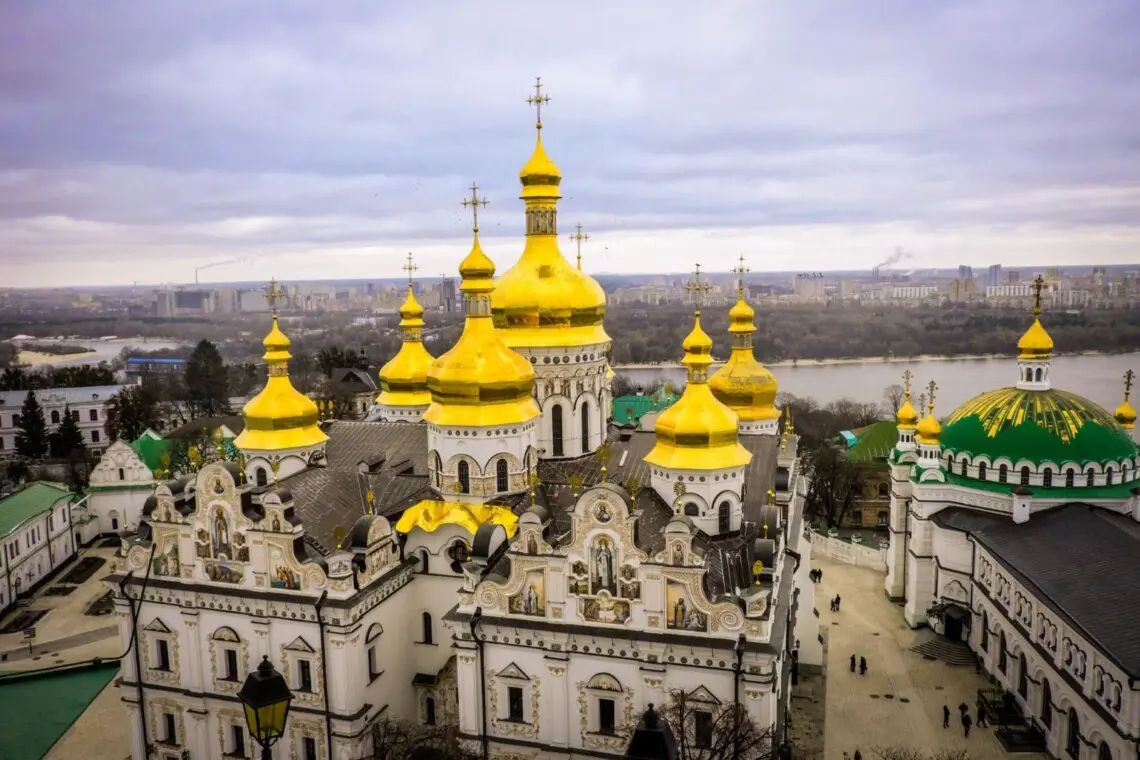
Russian strike damages Kyiv’s ancient Pechersk Lavra for first time since World War II
A monument where Lenin fell
Zelenskyy argued that Mazepa’s stature deserves more than a bust. He pointed to a symbolic location: the spot on Taras Shevchenko Boulevard where a statue of Soviet founder Vladimir Lenin was pulled off its pedestal in December 2013, during the Revolution of Dignity.
“I believe the ideal place for it exists. It has existed since December 2013 on Shevchenko Boulevard. I am sure that where Lenin fell, there Mazepa will stand firmly,” he said.
Activists toppled the Lenin statue on Bessarabska Square that month, and the pedestal has stood empty since, with the site’s future long debated. The fall in Kyiv set off a wave of removals that cleared Lenin statues from across the country in the years that followed, part of a broader decommunization and decolonization drive.

Toppling of Lenin Monument in Kyiv Spurs ‘Monument Showers’ in Ukraine
Why Russia hates Mazepa
Mazepa was an early champion of Ukrainian independence. Decades before his rule, Hetman Bohdan Khmelnytskyi had signed the 1654 Pereyaslav Treaty with Moscow — Ukraine saw it as a temporary defense alliance against Poland, but Russia treated it as Ukraine’s submission and used it to justify ever-deeper interference.
In the decades that followed, Moscow seized Ukrainian towns and settled them with its own troops, the very encroachment that would push Mazepa to act.

He spent most of his own rule as a loyal subject of the tsar, until his relationship with Peter I broke down over Moscow’s steady erosion of the Hetmanate’s autonomy. In 1708, after the tsar refused to defend Ukraine against advancing Swedish forces, Mazepa sided with Charles XII of Sweden. The Swedes lost at Poltava in 1709, the hetman died in exile that year, and Russia went on to abolish Ukraine’s autonomy outright.
About the Author
