
Two of the European Union’s biggest members are slowing a plan to bar Russia’s war veterans from the bloc, according to Bloomberg. Italy and France back the idea of keeping ex-soldiers out but worry the proposal could widen into a ban on all Russian citizens. Member states sit down to discuss the wider sanctions package on Friday, 26 June.
What France and Italy object to
The entry ban is one piece of a proposed 21st sanctions package against Russia’s invasion of Ukraine. Rome and Paris are not against barring Moscow’s former combatants, sources told Bloomberg. They fear the current wording could open the door to a blanket prohibition on Russians.
Both governments argue a targeted travel ban fits better in visa policy than in a sanctions package. They also raised a practical snag. The proposal would leave each member state to decide who has and has not fought, a determination the sources called far from simple.
The friction sits awkwardly against the travel numbers. France, Italy, and Spain drew nearly three-quarters of all Schengen visa applications filed by Russians last year, when Russians lodged more than 670,000 such requests.
The rest of the package is stuck too
The veteran ban is not the only holdup. The package also aims to freeze the EU’s price cap on Russian oil, squeeze Moscow’s energy income, and hit banks, crypto operators, and tankers that help Russia dodge restrictions.
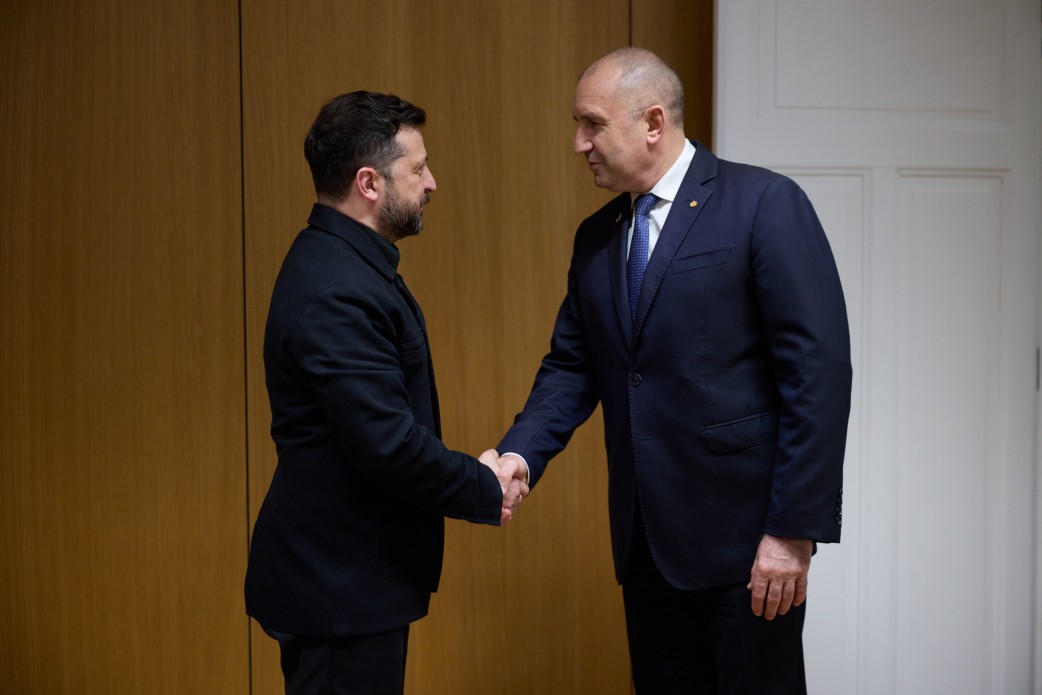
EU leaders agree to renew Russia sanctions for a full year for the first time as Bulgaria’s pro-Russian leader vows to veto the next batch
The oil cap is its own tangle. EU rules now adjust the cap every six months to sit 15% below the average price of Russian Urals crude, which has pushed the limit to $44.10 a barrel. With the Iran war lifting fuel prices, a July review could send the floating cap to at least $65, above the old $60 ceiling. Officials are weighing whether to freeze the cap where it is or reset it to $60. Maritime nations have reservations about both.
Another contested clause would extend the rules used against tankers carrying Russian oil to ships moving its liquefied natural gas. The goal is to stop Moscow building a second shadow fleet for gas, as it has done for oil. Some members want a longer transition. A handful of capitals also have concerns about limiting imports of certain Russian fish.

The package carries other measures too: trade restrictions on some critical minerals, metals, and ores, plus export controls on about two dozen firms in China, India, Türkiye, and Central Asia accused of supplying Russia’s weapons makers. It would add 30 more vessels to the shadow-fleet blacklist.
About the Author
