- Russian forces are trying to get more troops and supplies across the Vovcha River in northern Ukraine
- But there are no more permanent bridges across the river, so the Russians are deploying improvised assault bridges
- These lumbering vehicles are easy targets for Ukraine’s drones, however
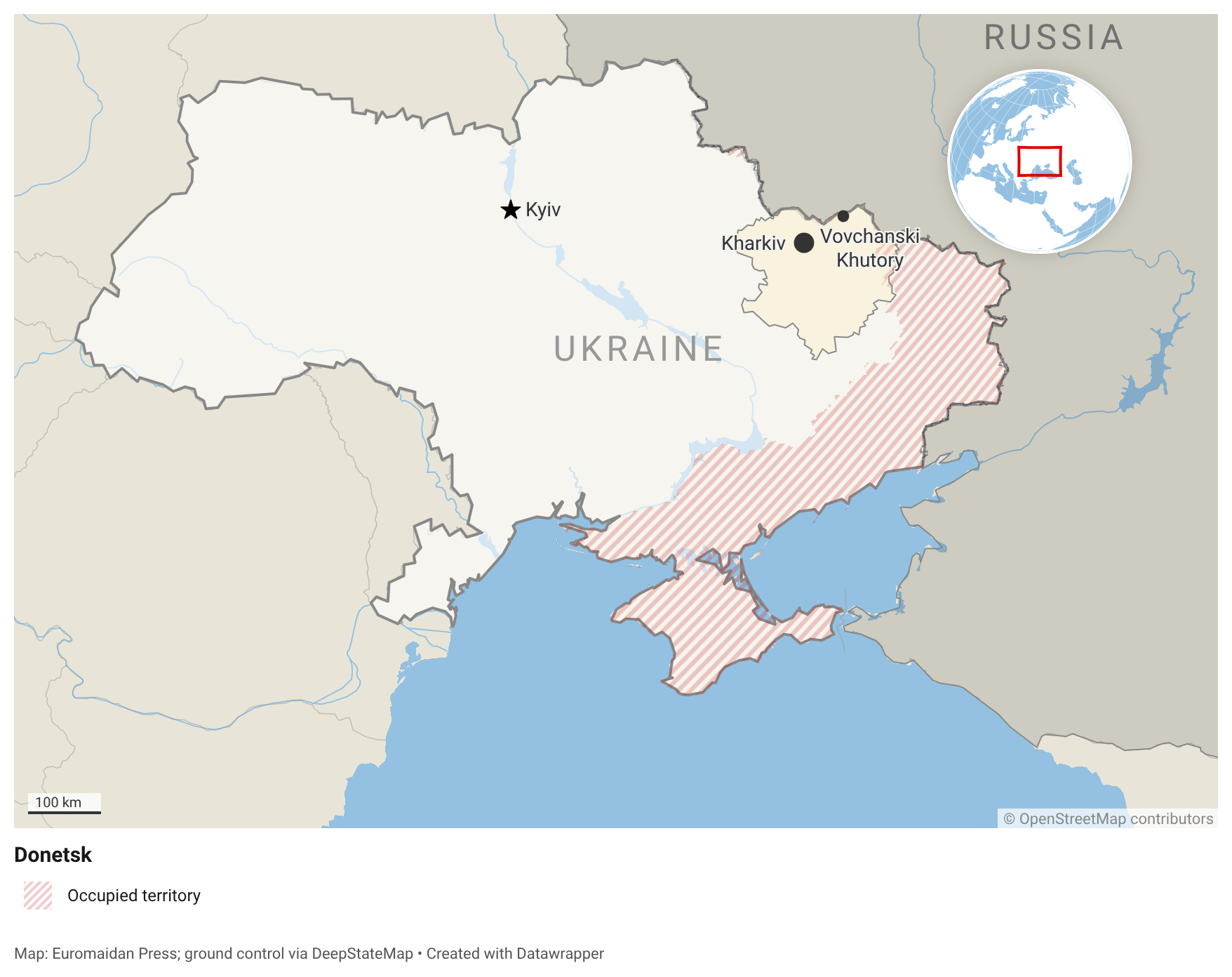
Aiming to expand their foothold along Ukraine’s northern border and, in the process, tie down Ukrainian brigades that could be useful elsewhere, Russian troops have been trying to cross the Vovcha River, which threads west through the town of Vovchans’k just a few kilometers south of the border in Kharkiv Oblast.
But there’s a problem for the Russians. In the 52 months since Russia widened its war on Ukraine, every single nearby bridge across the Vovcha River has been destroyed by air strikes, shelling or sabotage.
Desperate to get across, the Russians are deploying a bewildering array of improvised bridging vehicles. Desperate to stop them, the Ukrainians are relentlessly hunting those do-it-yourself assault bridges. Usually with drones.
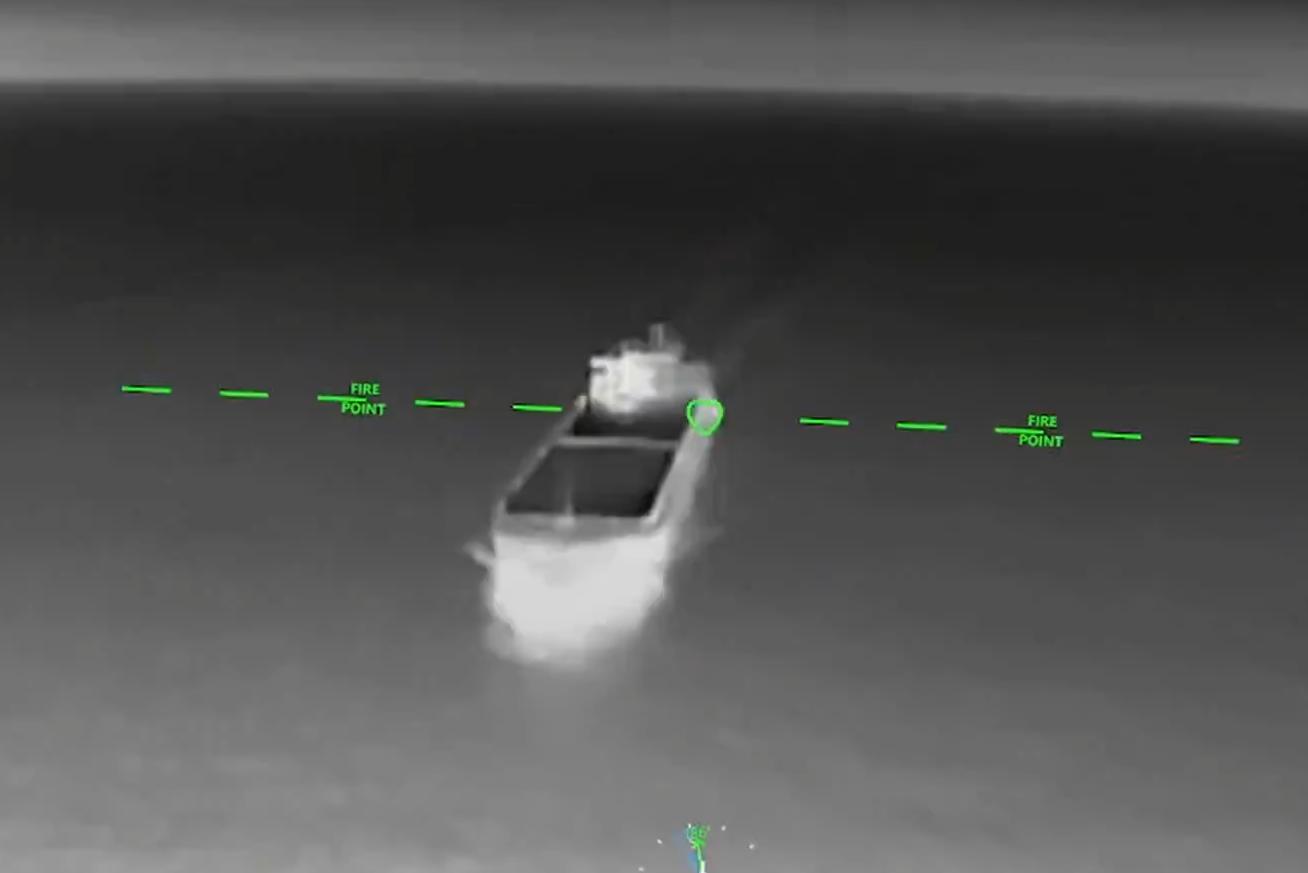
The most recent case of drone-on-bridge action took place on or just before Tuesday, when a drone team from the State Border Guard Service of Ukraine spotted and struck a Russian MT-LB armored tractor wearing what appears to be part of a folding span borrowed from a TMM-3 truck-based bridging system.
Russia attacks this one Ukrainian village every single day. It never works, the border service says
The bridge components of the TMM-3 are fairly abundant in Russian stockpiles, so the Russians have been piling them onto all sorts of vehicles in order to produce DIY assault bridges. The idea, it seems, is for the crew to drive the vehicle straight into the Vovcha River and then bail out, leaving the vehicle in the water as a link in an improvised bridge.
The border guards aren’t the only ones hunting these assault bridges. The Ukrainian army’s 57th Motorized Brigade has also spotted and droned several assault bridges north of the Vovcha River since this spring, when the Russians stepped up their attempted infiltrations in the area.
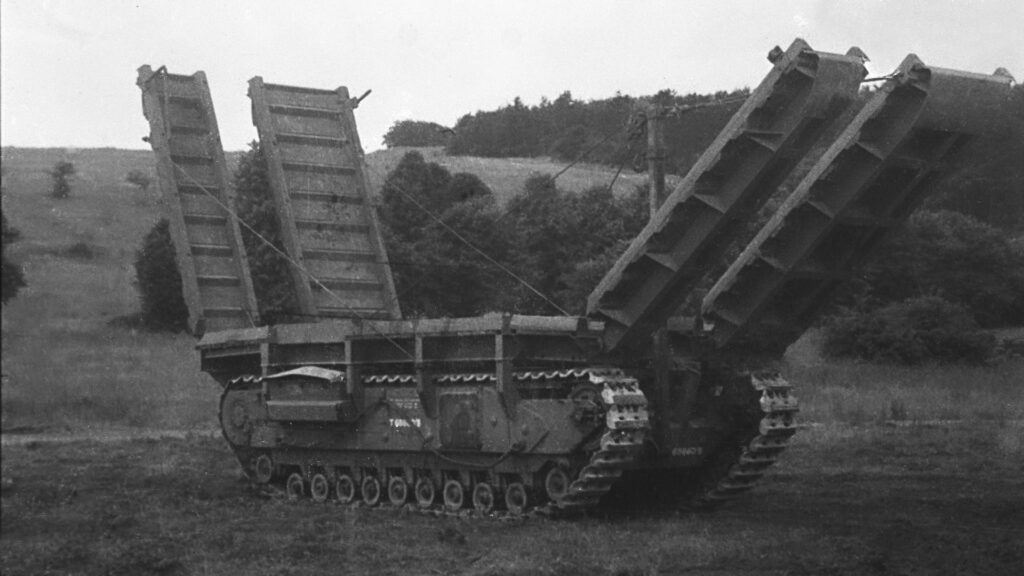
Many of the bridging vehicles were based on trucks rather than MT-LBs. Last year, Russian paratroopers created their own DIY bridging vehicle by fitting wooden platforms to BTR-D armored vehicles. These and other improvised assault bridges evoke a class of engineering vehicle from World War II.
During that war, some armies (the British Army, in particular) bolted metal spans to the top of tank chassis and used the resulting “funnies” to rapidly erect bridges across vehicle-halting gaps on the battlefield.
9. Vovchansk, mid June.
Just released, anotherhybrid bridging vehicle burnt by
57th Motorised Bde + 9th Recce Batt.
Likely a folded out TMM-3 bridge on some kind of truck, driven from up top.
Also strikes on troops.
I changed the film’s running order.https://t.co/OKEgfzXZqw pic.twitter.com/MVNYNHxRtl— Dan (@Danspiun) June 23, 2026
Counterbridge campaigns
The strikes on assault bridges trying to span the Vovcha River haven’t prevented the Russians from gaining a foothold on the far bank as far south as central Vovchans’k. But the strikes have complicated and slowed the Russians’ effort to expand that bridgehead and infiltrate farther to the south.
In that sense, the drone strikes on the Russian’s mobile bridges in the north are a kind of tactical corollary to the Ukrainians’ strategic counterbridge campaign in the south. Ukrainian forces are systematically droning and bombing bridges connecting Russian-occupied Crimea to occupied southern Ukraine as well as to southern Russia.
The Ukrainians’ aim: to turn Crimea into a hard-to-reach island, transforming it from a Russian bastion to a sinkhole that swallows Russian resources.
By contrast, the Kharkiv counterbridge effort is a defensive one for Ukrainian forces. From the Russian perspective, the two campaigns have one thing in common. Both place heavy stress on Russian engineering units and their mobile bridges. Not just the metal TMM-3 spans, but also floating metal pontoons that are delivered by truck but maneuvered into place by boats.
The Russians engineers have the same problem along both fronts. That is, their bridges and the vehicles handling them are big fat targets for Ukrainian drones.
About the Author
