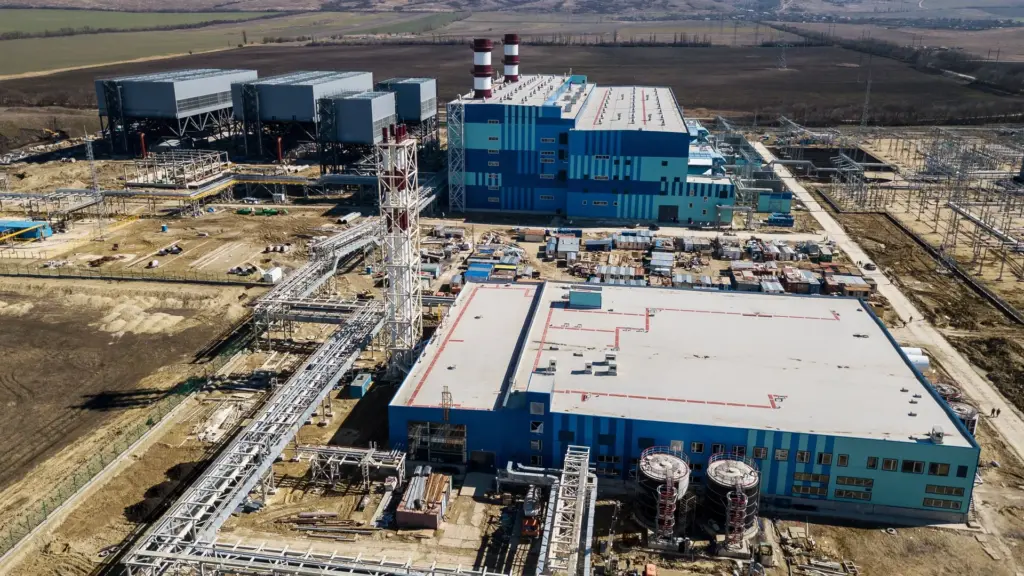
Russia built two power plants in occupied Crimea to free it from blackouts. They run on gas piped from Russia, so the Ukrainian drone strike that cut electricity across all of Sevastopol on 24 June hit a dependency Russia engineered into the peninsula.
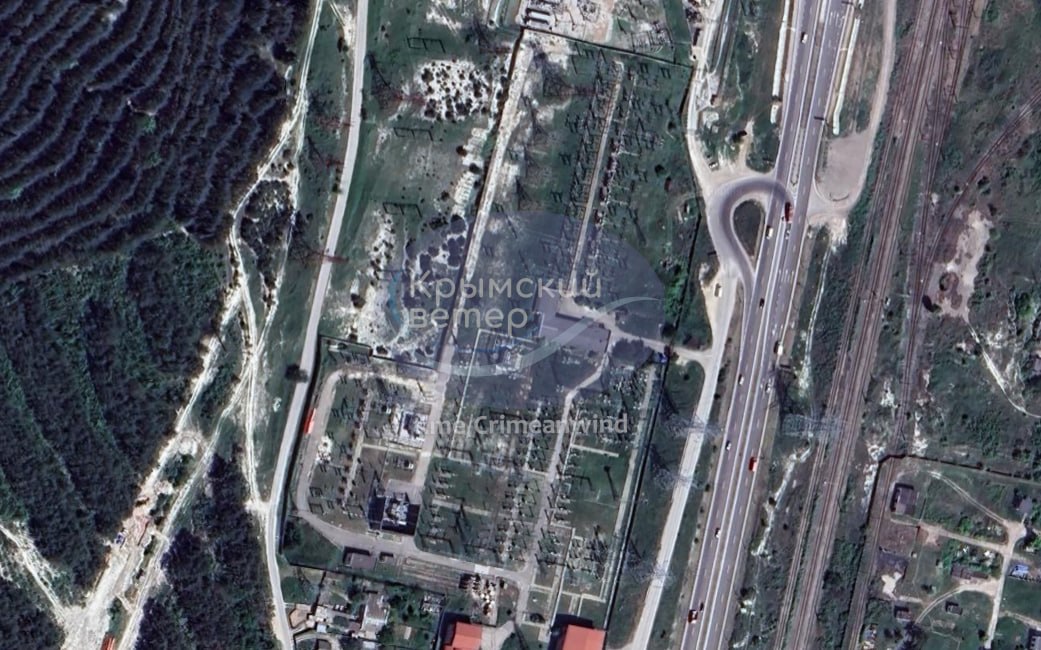
Ukraine drones black out all of occupied Sevastopol. Balaklava power plant was target
Sevastopol is the home port of Russia’s Black Sea Fleet, and the blackout was the latest in a week of strikes that have left much of Crimea rationing power. The reason the damage sticks is Western sanctions: the plants run on turbines Russia can no longer properly repair, so each hit compounds the last.
The independence that runs on gas
The two plants at the center of the project—Balaklava in Sevastopol and Tavrida in Simferopol—were built to end Crimea’s reliance on imported electricity and opened by Vladimir Putin in 2019. Together, they were meant to cover about 90% of consumption, a figure Russian authorities promised at the time, and both were gas-fired, built around Siemens turbines that were transferred to Crimea and installed in breach of EU sanctions.
The peninsula’s main plants run exclusively on gas, so strikes on gas distribution and compressor stations paralyze electricity generation.
The gas the plants burn arrives from Russia, and that is the second dependency. Crimean Tatar Resource Center head Eskender Bariiev told RBC‑Ukraine that the peninsula’s main plants run exclusively on gas, so strikes on gas distribution and compressor stations paralyze electricity generation.
Ukraine said it struck the Simferopol gas distribution station and a Crimean substation on the night of 22–23 June, and power outages have begun reaching critical equipment at the peninsula’s state water utility, ISW reported.
Occupied Crimea is an energy dead-end with no grid ring of its own, dependent on a single artery from Russia and backed only by small local stations.
Energy analyst Hennadii Riabtsev told Suspilne that occupied Crimea is an energy dead-end with no grid ring of its own, dependent on a single artery from Russia and backed only by small local stations sized for morning and evening peaks. He put the money Russia has poured into the peninsula since 2014 at levels comparable to Chechnya, with little to show for it in everyday life.
Sanctions keep the damage in place
The Siemens units remain under sanctions and out of proper service, and Russia is already planning new generators to cover a forecast Crimean deficit, turning to Russian and Iranian turbines because Western parts are out of reach, according to Global Energy Monitor.
The Tavrida plant will burn the same gas piped from the mainland.
Russian state media says a new block at the Tavrida plant will make it the most powerful in Crimea. It will burn the same gas piped from the mainland—more generation hung on the very supply the strikes can choke.
Even occupation officials concede the peninsula could face chronic electricity shortages by 2031, Euromaidan Press reported in December. Each strike lands on a grid that cannot be quickly or fully rebuilt.
An economy that runs on a season
Crimea’s occupation economy rests on two supports: federal subsidies and the summer tourist season. Now the season is being shut down by decree.
Russian-installed head Sergey Aksyonov announced a halt to all civilian fuel sales from 21 June, then, a day later, he suspended children’s camps and tourist stays for minors until 1 September. A season closed by order hits an economy that leans on it, on top of subsidies Moscow has to keep raising.
The peninsula now rations electricity by the hour and waits on gas and parts.
When Putin opened the two power plants in 2019, the promise was that Crimea could meet almost all of its own power needs. The peninsula now rations electricity by the hour and waits on gas and parts it cannot guarantee.
About the Author
