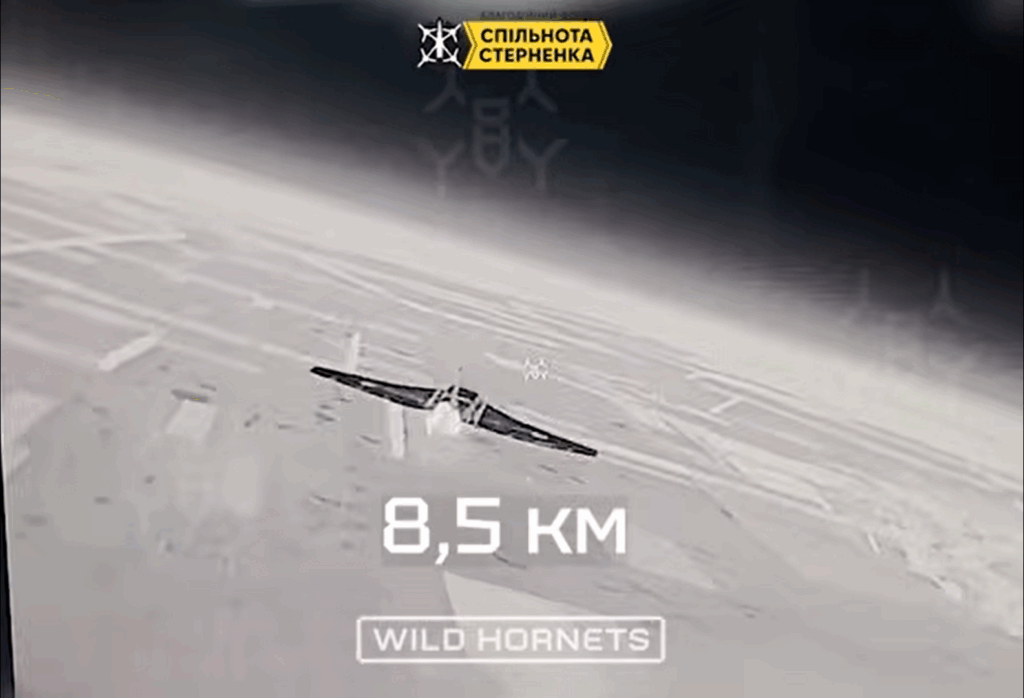
Ukraine has cleared its first remote drone control system for operational use under NATO-standard codification procedures, Militarnyi reports.
The system allows Ukrainian drone operators to control UAVs from remote locations far from the battlefield, reducing their exposure to artillery, FPV drone strikes, and electronic warfare targeting launch sites near the front line while maintaining continuous drone operations across wider areas of the front.
The system, Hornet Vision Ctrl, was developed by Ukrainian company Wild Hornets and allows operators to control drones remotely from anywhere in the world. It has now been officially approved for use by Ukraine’s Defense Forces following codification under NATO standards, the company told Militarnyi.
The complex includes a ground control station with a digital video system, a 360-degree omnidirectional antenna, and operator workstation equipment designed to enable long-range drone operations with low-latency communication.
Combat testing includes interception of Russian drones during mass attack
Developers say the system is part of a wider Hornet Vision ecosystem focused on improving signal stability, video transmission quality, and operational range across the battlefield.
Militarnyi reports that the system was first introduced in March 2026 and has already been tested in combat conditions, including during a Russian mass drone attack on Ukraine in which a Ukrainian interceptor successfully destroyed an enemy UAV.
Earlier demonstrations showed operators controlling drones from distant locations, including cases of remote operations conducted from outside Ukraine and at ranges of up to roughly 2,000 km in testing scenarios.
Operational range expanded to up to 100 km for drone crews, developers say
Wild Hornets say the system expands effective control distances for drone crews from around 20 km to up to 100 km, depending on deployment conditions.
The system is compatible with Wild Hornets’ drone platforms, including Sting interceptor drones, and is available both as a standalone product and as part of integrated air defense packages.
According to the company, more than 600 aerial targets have been destroyed using the system, which has rapidly moved from field testing to formal approval under Ukraine’s NATO-aligned procurement framework.
Read also
About the Author
