At long last, Meta has come to the UFC’s rescue to solve the vexing problem of fighter rankings. The new system, reportedly designed by the Facebook parent company (and UFC sponsor), debuted on the UFC website on Monday.
At present, there’s even a handy feature that lets users toggle back and forth between the new Meta rankings and the existing “media panel rankings” (more on that in a moment) to compare and contrast.
Some fighters — former UFC middleweight champ Robert Whittaker, heavyweight mainstay Derrick Lewis, featherweight firebrand Raul Rosas Jr., just to name a few — now find themselves still lingering in the media rankings but exiled from the new Meta rankings. Other fighters — Ryan Spann, Navajo Stirling — woke up on Monday as ranked fighters thanks to the new system.
There are also other discrepancies. Former UFC light heavyweight champ Jan Blachowicz pointed out that, when he and fellow 205-pounder Bogdan Guskov initially agreed to face each other at a UFC Fight Night event in August, Blachowicz was No. 4 in the rankings and Guskov was at 10, with the latter hoping to vault up with a win. Now the Meta rankings have bumped Blachowicz all the way down to No. 15, making this fight a much different value proposition for both fighters.
Two days ago Guskov was fighting against the top opponent to climb in the light heavyweight ladder. It turns out that it’s the other way around now 😁 #ufcrankings
— Jan Blachowicz (@JanBlachowicz) June 23, 2026
According to UFC’s broadcast partner CBS Sports, the promotion’s plan is to eventually phase out the media panel rankings, which is no great loss. If you’ve ever looked into who actually votes as part of this so-called media panel, you’ve probably noticed that the assortment seems very random and not terribly prestigious. No disrespect, but it’s basically whoever the UFC could find who was willing to participate and could plausibly claim to work in some form of something resembling sports media. To call them experts would really be pushing it.
Also according to CBS Sports, the Meta version is not AI-driven, despite some of UFC CEO Dana White’s earlier claims. Instead, it’s an Elo ranking system, not unlike the one Tapology created last year to rank every fighter on the UFC roster. In other words, it’s an algorithm that receives certain inputs — which fighter won, against whom, and by which method, among other variables — and then spits out a number. The computer does not watch the fights.
“There is no intelligence,” an unnamed UFC representative told CBS Sports. “It’s not smart. It cannot see. It doesn’t judge. … This is math. There are no decisions made week-to-week. All the decisions have already been made. From now until the death of the universe, there are rules, and the rules will be followed. That’s how mathematical models work. It’s based on assumptions, and those assumptions are baked into the system.”
But there’s one important question that remains unanswered: How much will these rankings actually matter? What does it do for a fighter to go from No. 9 on the media rankings to No. 6 in the Meta rankings? Does he get more money? Bigger fights? Is he actually any closer to a title shot simply because he has a smaller number next to his name on the UFC website?
The computers can churn out whatever numbers they want, but we all know human beings make the important decisions here. UFC executives have told us as much on many occasions. Remember when fans and media kept asking White why Arman Tsarukyan wasn’t getting a lightweight title shot even after winning bouts that the UFC had billed as top contender fights?
“I don’t give a s*** what the number [next to his name] says,” White said of Tsarukyan back in December. “He’s going have to work his way back.”
Over the years I’ve spoken to many managers who expressed frustration with the UFC’s rankings. Maybe it’s more accurate to say that they were frustrated with how changeable the attitudes of UFC matchmakers can be when it comes to the importance of the rankings. Those precious little numbers only seemed to matter when UFC matchmakers wanted them to, they said. When managers attempted to use them to make a case, then the importance vanished in a hurry.
Historically, these rankings have mostly just been a talking point. They’re a fun thing to argue about. Occasionally they can help us conceptualize the pecking order in each division. Throw them next to each fighter’s name on the broadcast and they might even grant some greater sense of what’s at stake in each bout. But we all understand that they are not in any way binding. If the UFC thinks a certain fight makes sense or will appeal to fans, it’s not going to let math get in the way.
This is how it’s always been in fight sports. Which makes you wonder, why go through all this just to marginally improve (or perhaps just alter) a ranking system that is, at best, a general guideline?
One possibility is that it’s just another way to get Meta’s name on something UFC-related. We already had the Meta Apex as the home to the lower-wattage UFC Fight Night events. Now we also have the Meta rankings. No recent updates on that whole “fights in the Metaverse” thing, but still.
What I wonder is how fans will view it. Getting mad about the rankings is half the fun of having them. But will it be as satisfying to rage against the Meta machine as it was to blame the faceless media monolith?
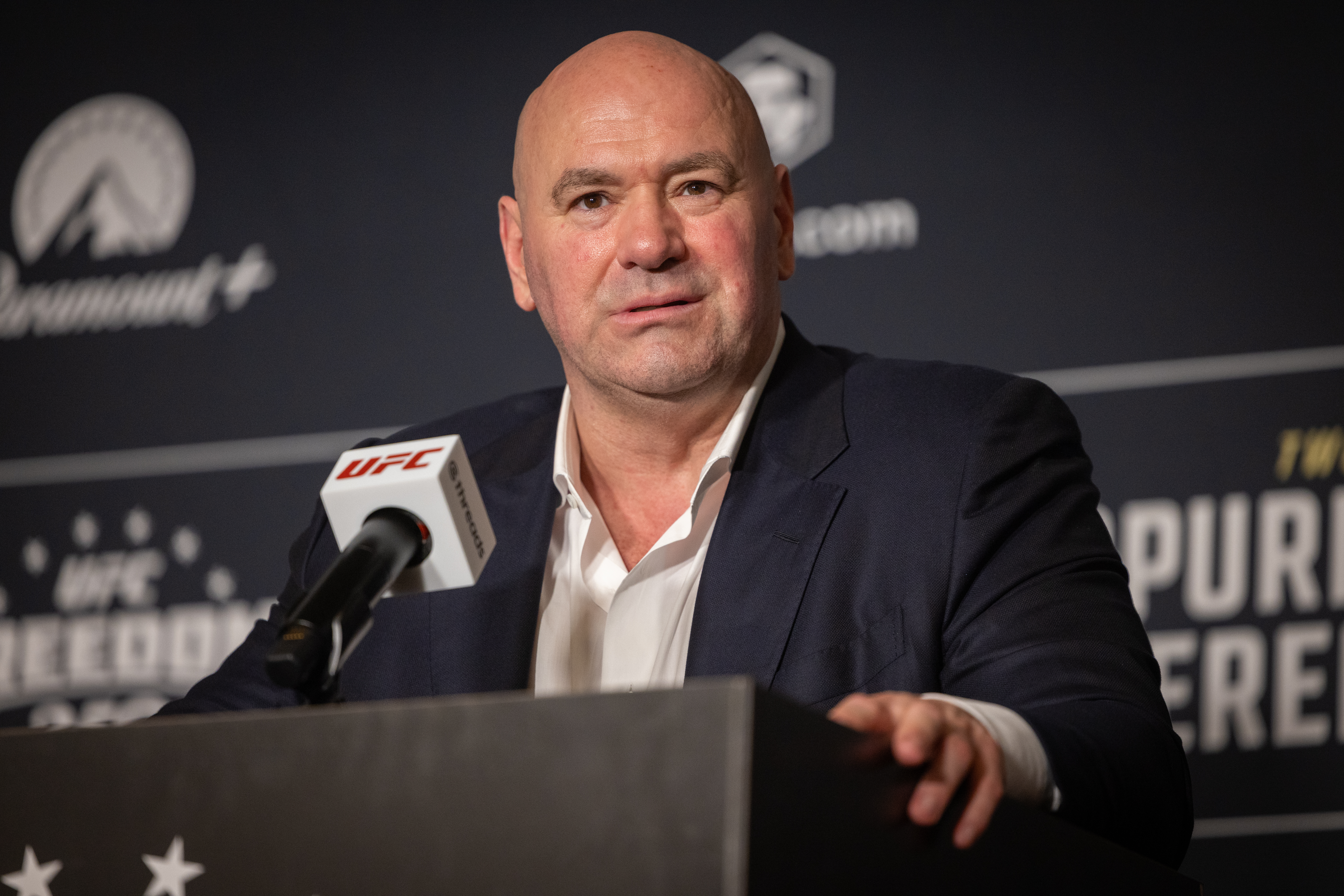
That’s not just a question for fans, either. It’s also a question for the UFC CEO White, who has vented his frustrations over the UFC rankings for years now. At one point he said he was bringing Meta in to “fix” the rankings, a process that is apparently now complete.
So now what? Is the era of complaining about the hapless ranking system now officially over? And what would it even look like for the head UFC honcho to live in harmony with his own computer-generated rankings? It’s probably still too early to know. But at least we’ll all get to find out together.
About the Author
