The NFL’s letter to Brendan Sorsby was strikingly authoritative, coldly unsympathetic and justifiably scathing.
The league made it clear that it doesn’t want a gambler who has demonstrated little accountability for actions that threatened the integrity of his sport.
In a document sent to Sorsby on Tuesday, NFL Management Council general counsel Larry Ferazani didn’t simply notify the quarterback that the league has chosen not to hold a supplemental draft for him this year. Ferazani also laid out the reasons why the NFL isn’t willing to create a special pathway for a prospect who has admitted placing thousands of impermissible bets on college and pro sports, including at least 40 on Indiana football while he was a member of the Hoosiers.
The letter to Sorsby opened by explaining that the NFL has not held a supplemental draft for the past several years and had no plans to do so this year prior to receiving the quarterback’s request. No other player had petitioned to enter the supplemental draft, which historically has been a mechanism for players who did not enter the regular NFL Draft to be selected by teams ahead of the upcoming season.
“Your Petition — filed three business days before the deadline, without any supporting information or documentation, and only after abandoning your recent litigation efforts to avoid NCAA sanctions — does not provide a basis for the League to alter those plans,” the NFL’s letter said. “The issues presented by your Petition are too significant, and too closely tied to the League’s core integrity interests, to permit meaningful review within the timeline presented.”
The sole reason that Sorsby provided for seeking entry into the supplemental draft, according to the NFL, was that he had been declared ineligible by the NCAA and had exhausted all legal avenues to continue to play college football.
Sorsby transferred from Cincinnati to Texas Tech this offseason but announced in April he would take an “immediate indefinite leave of absence” to enter a treatment program for a gambling addiction. An NCAA investigation ended with the organization declaring the quarterback permanently ineligible, triggering a lengthy legal battle that appeared to end last week when Sorsby announced plans to turn his focus toward starting his professional career.
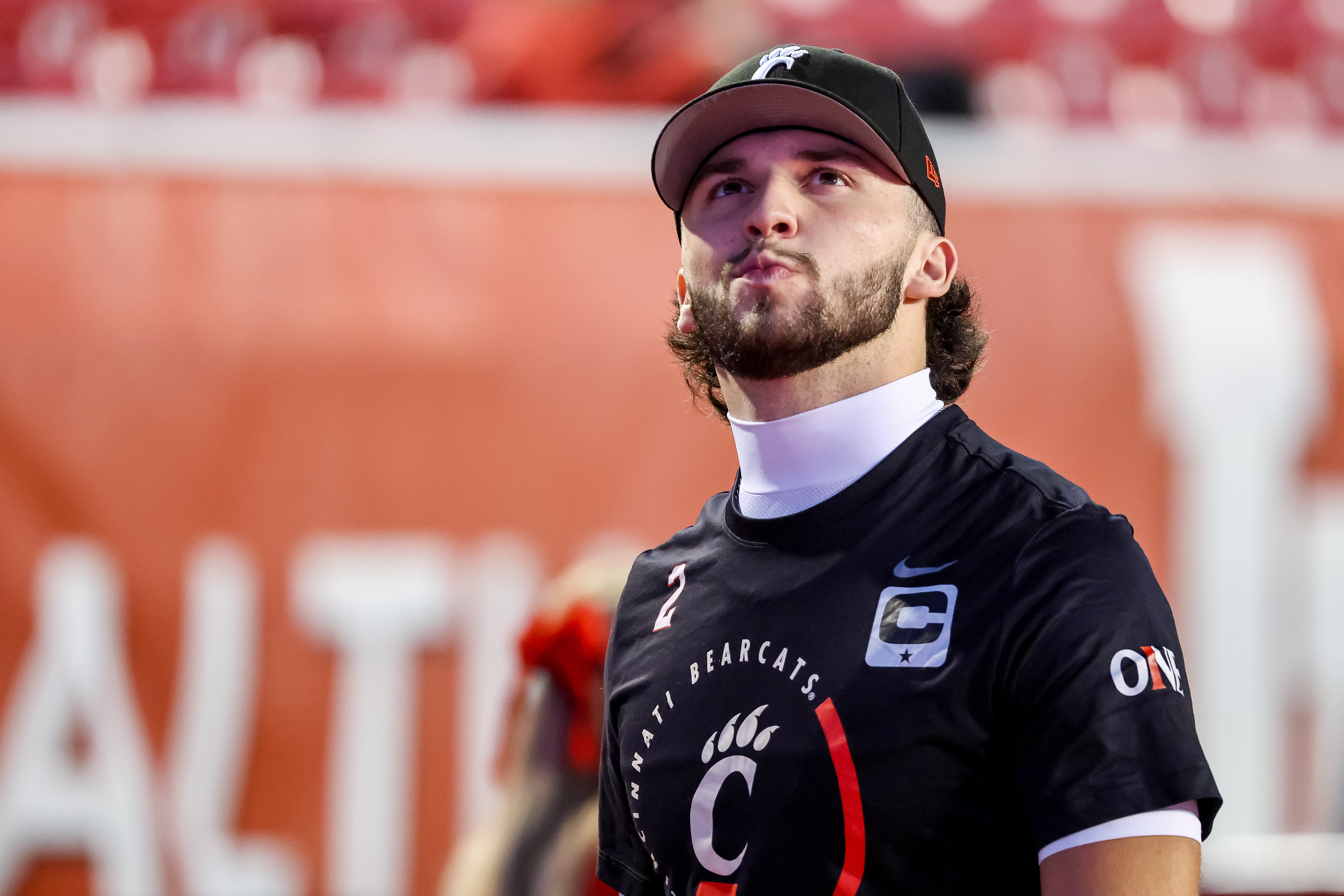
“The League does not have the complete record of the NCAA’s investigation, and you did not provide any such materials with your Petition,” the NFL’s letter to Sorsby reads. “Available information nonetheless indicates that, over the course of your collegiate career, you knowingly engaged in repeated and significant violations of NCAA rules designed to preserve the integrity of athletic competition. Reported conduct includes placing wagers on your own team and teammates and, to avoid detection, establishing or funding accounts in the names of intermediaries who placed bets on your behalf. There are also reports that you may have violated state criminal law.
“Your Petition does not address these matters. Nor does it demonstrate accountability for your conduct or indicate whether, or how, you would adhere to the League’s rules and policies governing the integrity of competition. Instead, even after receiving notice of the NCAA’s decision rescinding your college eligibility in May, you sought to avoid the consequences of that determination through litigation rather than accepting responsibility for your actions, and you pursued entry into the NFL only after abandoning those efforts.”
Sorsby’s high-powered attorney, Jeffrey Kessler, objected to the NFL leaving his client in limbo this upcoming season. Kessler told Yahoo Sports’ Ross Dellenger that the NFL not holding a supplemental draft for Sorsby “is a violation of the collective bargaining agreement and we intend to pursue the player’s rights with the NFLPA.”
There’s little justification for the NFL’s critique of the timing of Sorsby’s petition. After all, he filed it ahead of the league’s deadline. To cite that as a reason to deny Sorsby’s request feels like an excuse, especially considering the league has known this was a possibility for months and had plenty of time to be proactive in conducting a review.
But the rest of the NFL’s rationale for denying entry to Sorsby? That’s more than fair.
Why should the NFL roll out the red carpet for a known gambler who bet on his own team, didn’t acknowledge it until NCAA investigators began poking around and then tried to sue his way out of a punishment instead of taking accountability for his actions? Why should the NFL take the public relations hit of having one of its teams surrender a future second- or third-round draft pick to take a chance on this talented but tarnished quarterback?
It’s not like Sorsby’s football dreams are dead now either. Far from it, in fact. The NFL’s letter to Sorsby describes him as a “talented player” and encourages him “to focus on preparing for possible entry into the NFL through the 2027 NFL Annual Draft.”
In other words, the NFL is resigned to the fact that one of its teams may eventually decide that Sorsby’s talent outweighs the off-field risks.
But the league is making a statement that it will not allow someone who bet on his own team at least 40 times to use the supplemental draft to escape the consequences of his actions.
About the Author
