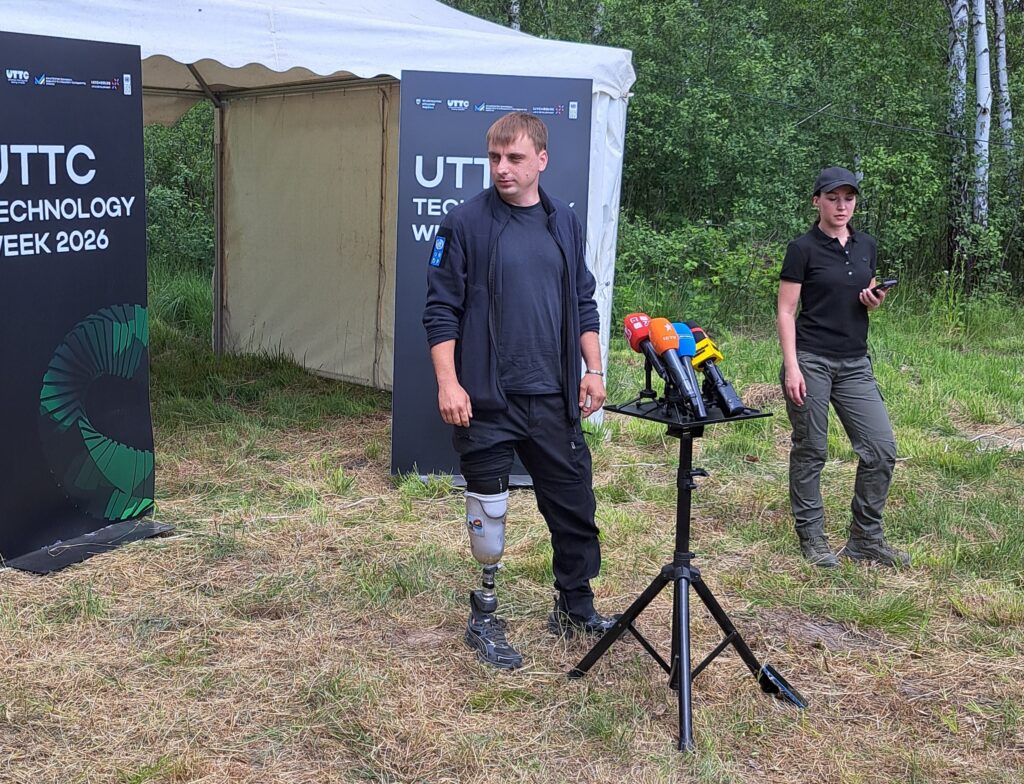
Maksym Dobrianskyi fought as a commander around Bakhmut and Avdiivka until 2023, when he stepped on an anti-personnel mine and lost a leg. He is now in mine action—one of a growing number of war-wounded Ukrainian veterans being retrained for the decades-long job of making their country safe to walk again.
Euromaidan Press heard him speak this month at a demining-technology exercise in Lviv Oblast.
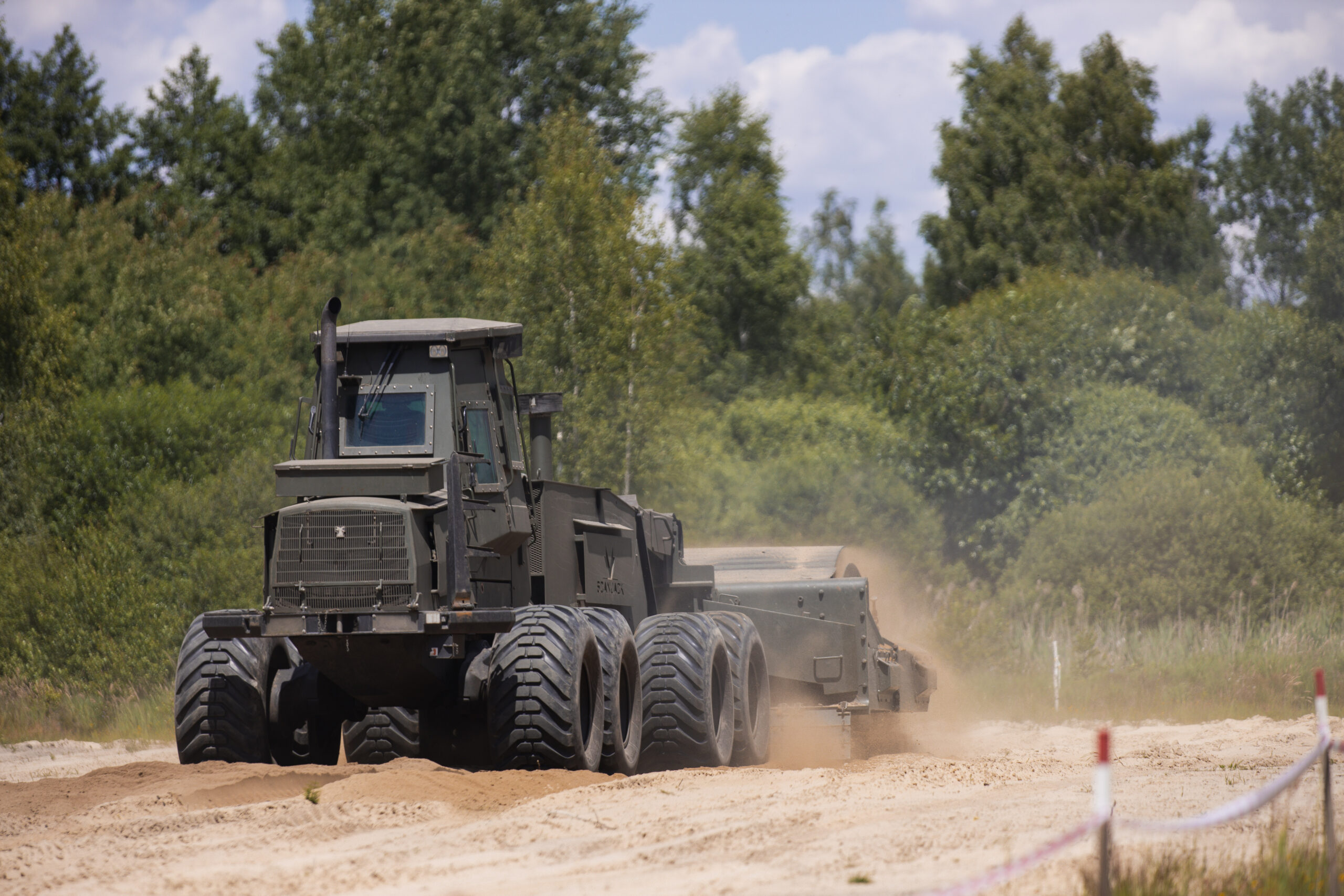
Dust and demining in Lviv Oblast—where the future of clearing the world’s most mined country meets the county fair
The Ministry of Veterans Affairs already counts well over a million veterans, a figure that climbs every month, and projects five to six million veterans and their families once the war ends. Set against a clearance task measured in decades—patient, ground-level labor—Ukraine is not short of people who could do the work, only of the money to hire them.
An earlier round trained 22; 11 found work.
The effort that brought Dobrianskyi in is paid for one grant at a time. Its latest cohort, under a UNDP-backed program—40 specialists, many of them veterans with disabilities—began work in Kharkiv Oblast in January 2026 on 12-month contracts.
They are trained in non-technical survey and risk education: the unglamorous front end of demining, working out which land is dangerous and warning the people who live on it. An earlier round trained 22; 11 found work. The Netherlands and Luxembourg funded this one. How big the next one is depends on who funds it.
Ihor Bezkaravainyi has argued that mine survivors make natural recruits for mine action.
Russia’s war has left farmland larger than Croatia unusable, at a cost Kyiv puts at $11 billion a year—and by the government’s own reckoning, the job will take at least a decade, with some land never safe to return to at all.
Deputy Minister Ihor Bezkaravainyi, who coordinates the demining response, lost his own leg to a Russian anti-tank mine in 2015 and has argued that mine survivors make natural recruits for mine action. Dobrianskyi is what that argument looks like in a field.
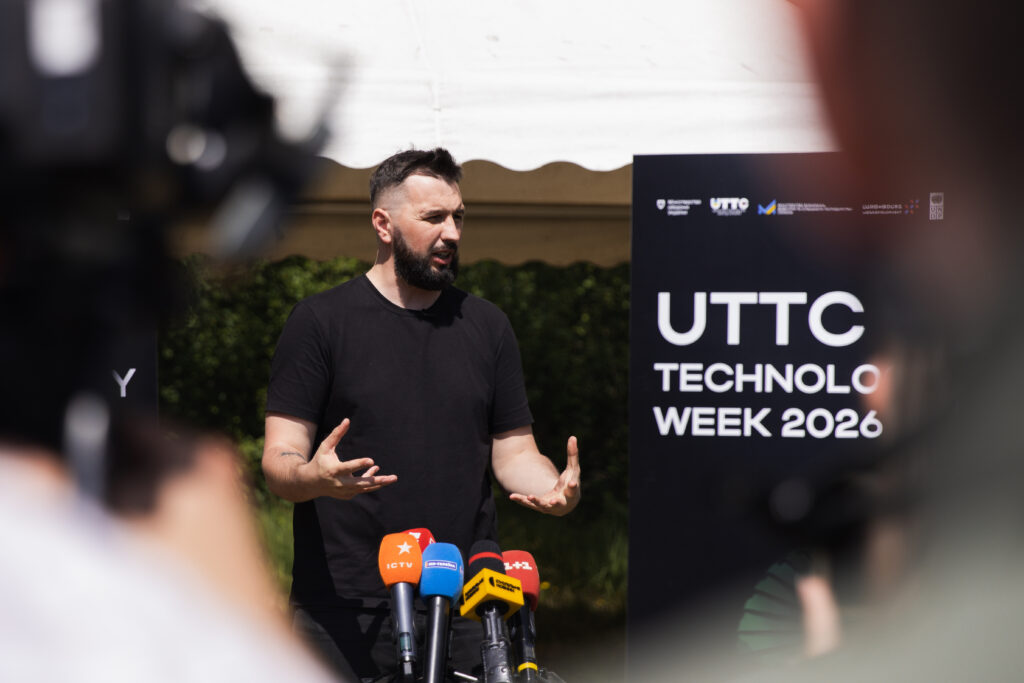
He had braced himself, he says, for a life of sitting at home and grieving, until a leaflet at an employment center offered retraining. He would rather not remember the treatment, the rehabilitation, the prosthetics. What changed was the work and the people beside him.
The veterans he trained with, he added, are “like a family now.”
“I was wounded, and I want to help people the same way,” he said, “so that this doesn’t happen.” The veterans he trained with, he added, are “like a family now.”
Forty of them got a year’s contract this round.
Read also
-
Dust and demining in Lviv Oblast—where the future of clearing the world’s most mined country meets the county fair
-
Mongols, Soviets, now Putin: every empire told Ukraine “you are one of us.” None were right.
-
Mined in, starved out, hunted from above—life in the towns Russia demands at the peace table
About the Author
