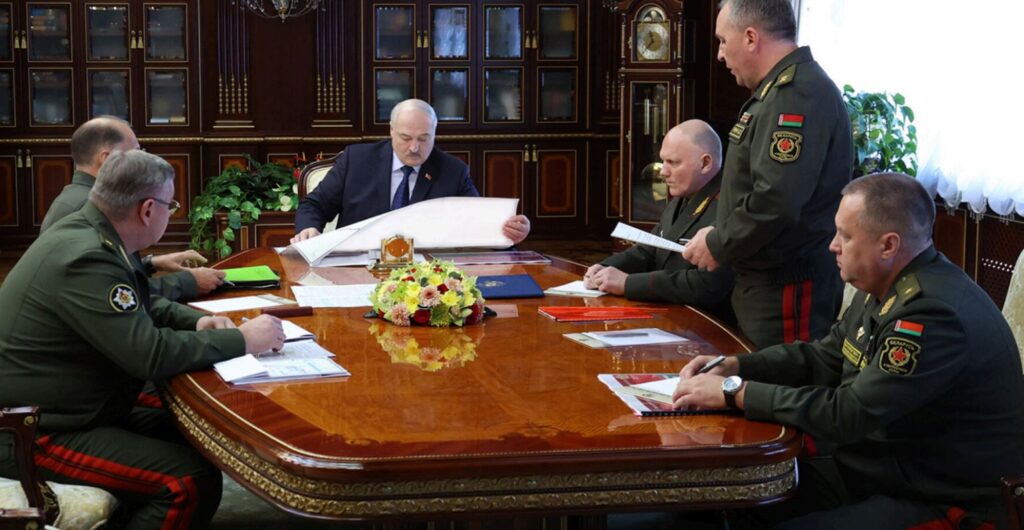
Belarus’s exiled opposition has handed Ukraine a detailed report arguing that Alyaksandr Lukashenka’s regime is systematically preparing the country to enter Russia’s war, according to the United Transition Cabinet of Belarus. The 30-page analysis went to Ukraine’s foreign minister and sets out the legal, military, economic, and social changes the authors say have rebuilt Belarus into a war platform. It also offers Western governments concrete steps to head off that scenario.
A report assembled from inside the system
Pavel Latushka, deputy head of the United Transition Cabinet, sent the file to Foreign Minister Andrii Sybiha. The Cabinet announced the move on its channel. The 30-page report came from the National Anti-Crisis Management, a group of former Belarusian state officials now in exile. It builds on agreements reached during a May working visit to Kyiv. The authors list eight signs that the regime is readying Belarus to join the war or to host new strikes.
Laws rewritten for war
A 2022 constitutional referendum ended Belarus’s neutral, nuclear-free status. The 2024 Military Doctrine now allows pre-emptive strikes when a conflict is deemed imminent. It also clears the way for the army to deploy abroad in support of an ally — meaning Russia. New martial-law and state-of-emergency laws widen state powers and curb citizens’ rights.
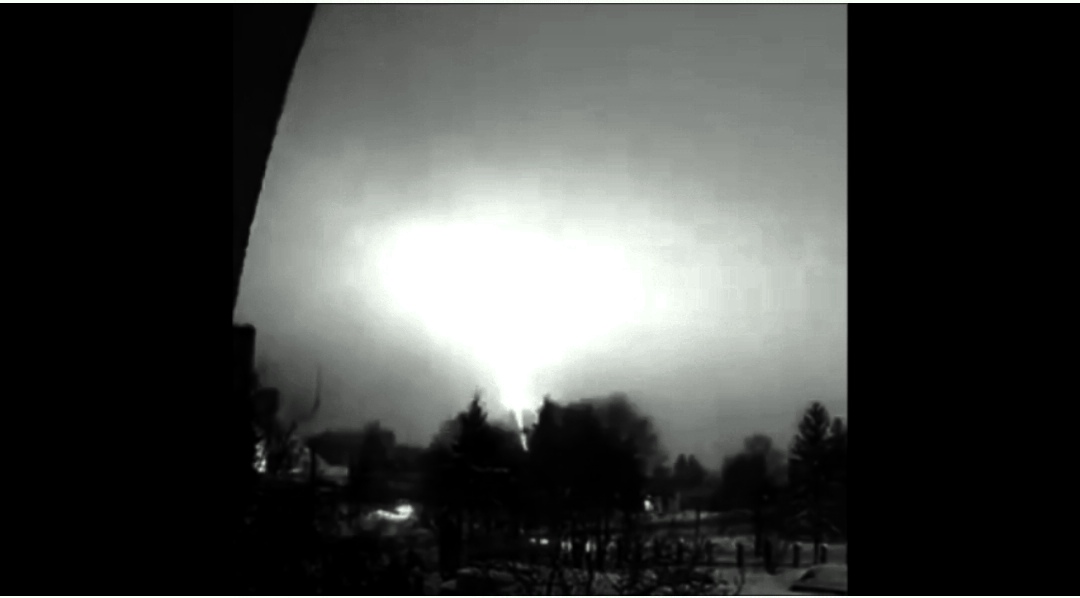
Belarus is now integrated into Russia’s war in ways that go beyond hosting troops or nuclear weapons — BELPOL investigation
A 2024 law lets the army draft people with criminal records and prisoners, copying a Russian practice. A handpicked national assembly, newly empowered to approve foreign deployments, would supply rubber-stamp legitimacy on demand.
A bigger army and a fresh militia
Contract soldiers have grown 1.5 times since 2022, and the mobilization reserve is put at 289,000. A planned Southern Operational Command points at the Ukrainian border, with troop numbers that could top 80,000. The regime is also raising a “people’s militia” of up to 150,000 for territorial defense and internal control. Recruitment offices can now issue draft summonses by text message, with stiffer fines and travel bans for those who dodge. Lukashenka has already shifted to rolling “targeted mobilization,” EP reported in May.
Belarus’s has more than 100 KGB officers in about 40 countries, BelPol investigation finds
The economy on war rails
Over four years, defense spending has risen fivefold. In 2025 it grew by 32% to 4.7 billion Belarusian rubles ($1.7 billion), with 145 million rubles ($52 million) set aside for mobilization work. A decree handed the Economy Ministry control of mobilization planning. The defense industry is fully fused with Russia’s, under a blanket secrecy regime. In 2024 alone the military took on more than 4,000 new pieces of equipment.
Nuclear weapons and Russian mercenaries
Integration with Russia’s army has reached its peak, the authors say. Russian troops are permanently based in the country. Russia signed a 2023 deal to base tactical nuclear weapons in Belarus, and Lukashenka has offered to host the Oreshnik missile system.
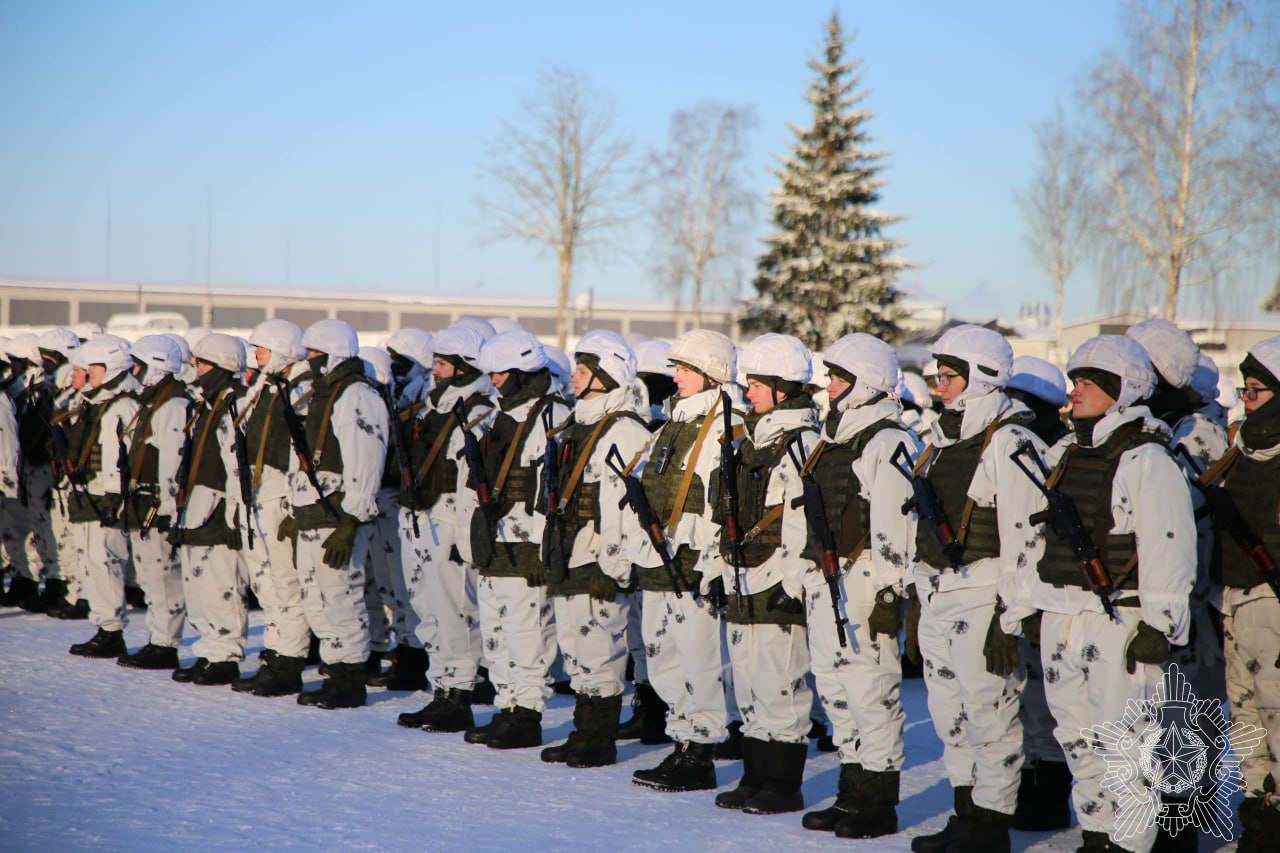
Real risk: Kyiv is detecting Belarus activity that could threaten Ukraine and European countries in future, “Flash” Beskrestnov says
Russia and Belarus capped joint nuclear drills in May with simulated launches. Instructors from Russia’s Wagner mercenary group, relocated after Prigozhin’s 2023 mutiny, trained Belarusian assault units in close-quarter city fighting.
Fortified borders and militarized children
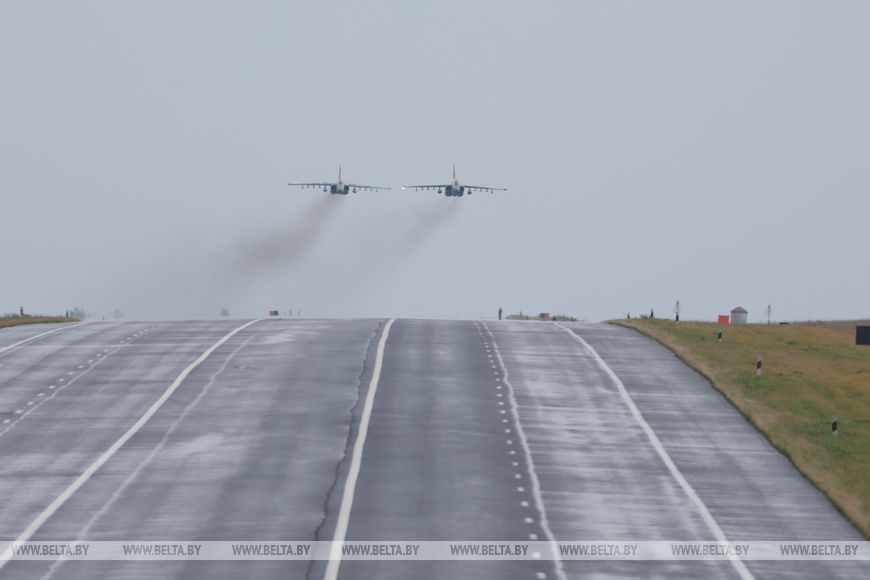
Since 2023, Belarus has built fortifications nicknamed the “Khrenin Line” after Defense Minister Viktar Khrenin. The “resistance nodes” run along its borders with Ukraine, Poland, and Lithuania. Bridges, airfields, and roads are being upgraded to carry heavy Russian equipment. Schools now require military training. The report says the regime planned to send more than 30,000 children through military-patriotic camps run on army bases in 2024.
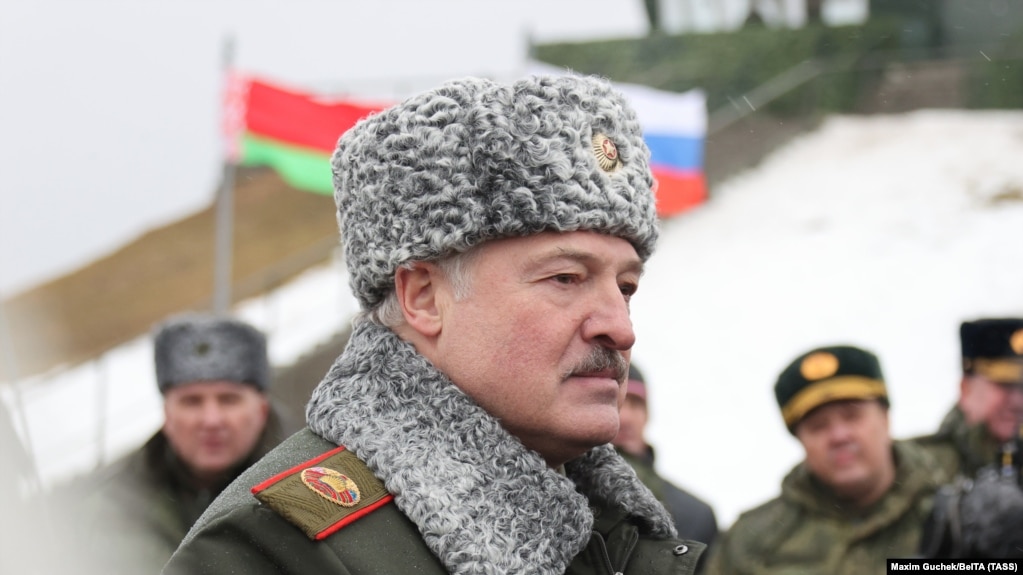
ISW: a Belarus ground invasion is very unlikely, but Russia may use Belarusian airspace to hit western Ukraine
Medicine, shelters, and stockpiles
The Belarusian Health Ministry has approved instructions for harsh wartime triage of the wounded. Minsk inspected 5,000 bomb shelters and regularly tests its alert sirens. Districts buy body armor in bulk for the militia. Mandatory fuel reserves have doubled to 30 days of supply. A 15 May 2026 government resolution lets the state force companies’ civilian trucks into military convoys. Non-stop exercises, the authors add, double as a way to quietly check mobilization lists and keep society on edge.
Read also
-
“First 500 targets already marked”: Ukraine has a response plan if Belarus enters war, says drone forces commander
-
Belarusian exiled leader and Ukraine’s President shook hands in Kyiv—at a 24-country summit
-
World draughts readmits Belarus. Its president sees Russia next as soon as the war ends
About the Author
