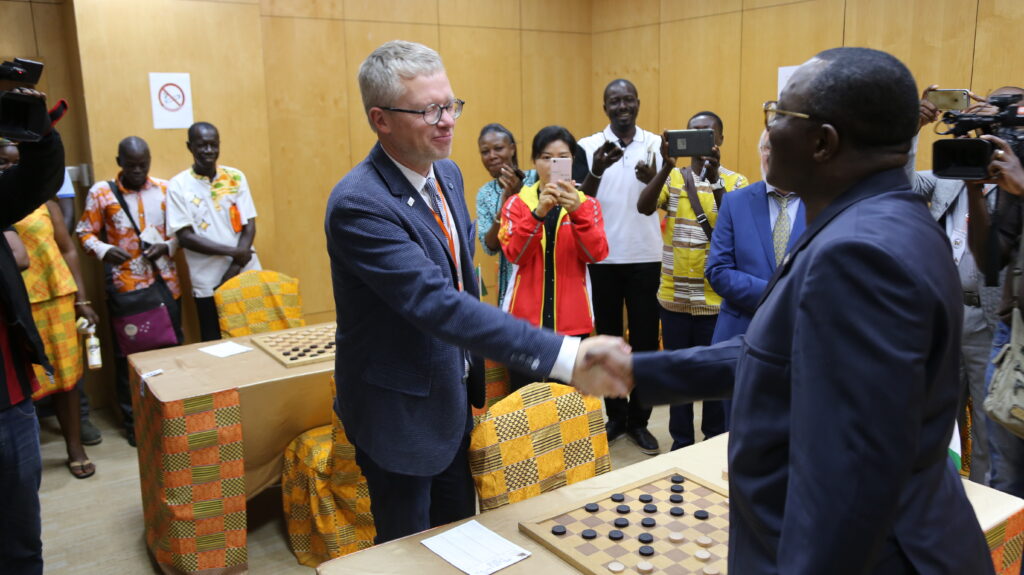
Sport keeps quietly letting Russia and Belarus back in, and the officials who take those decisions seldom explain why out loud. Janek Mäggi is an exception. The president of the World Draughts Federation (FMJD)—whose board has just cleared Belarusian players to return from 1 July—lays out the case plainly: the sport has lost half of its elite, the standard has dropped sharply, and a federation this small cannot run a foreign policy of its own.
Tennis never removed them at all.
His federation is one of many. Four years into Russia’s full-scale war, international bodies are easing Russian and Belarusian athletes back through a now-familiar route.
It is not a public reversal of sanctions but a “neutral athlete” pathway—competing without flag or anthem—that widens by degrees until the exclusion has all but ended. Tennis never removed them at all. Judo, aquatics, gymnastics, equestrian sport, several winter sports, and ice hockey have settled into versions of the same arrangement.
The argument has narrowed as it has spread. In 2022, the question was whether Russian athletes belonged in world sport while their state invaded a neighbor. By 2026, many governing bodies have swapped it for a smaller one: on what terms should they be allowed back?
This interview is the other chair at the table.
Euromaidan Press has reported the athletes’ side of that argument—Ukrainian players who refuse the handshake, who read out overnight casualty counts before walking on court, who say that playing as though nothing is happening is itself a political act. This interview is the other chair at the table.
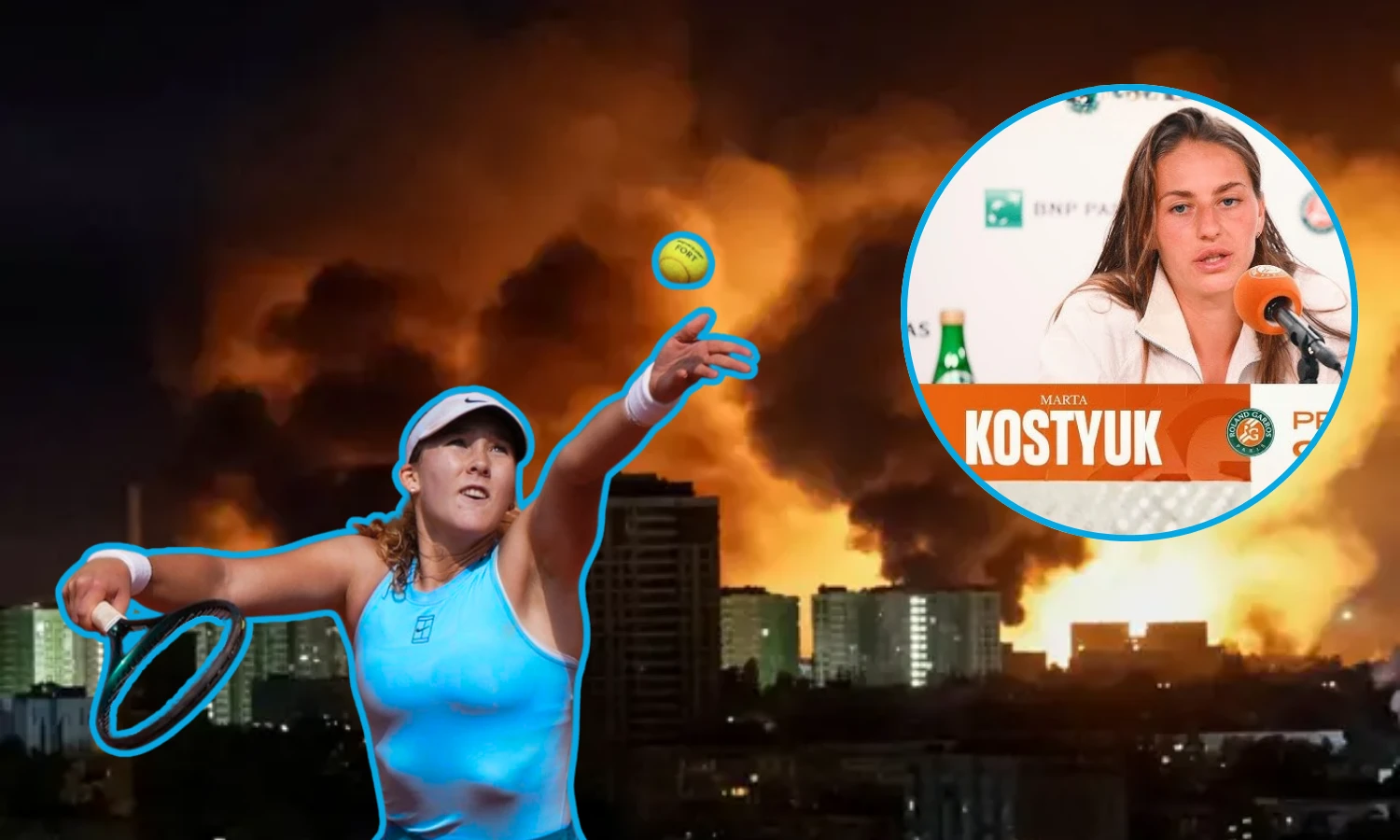
Ukraine plays Russia today for a French Open final. The Russian stays mum on war; the Ukrainian doesn’t
Euromaidan Press spoke with Mäggi on 8 June 2026—days before the FMJD board voted unanimously to readmit Belarusian players, both youth and adults, from 1 July under neutral status, without flag or anthem. That was the cautious route Mäggi forecasts below: short of the full return the IOC recommended on 7 May, and with no decision on Russia.
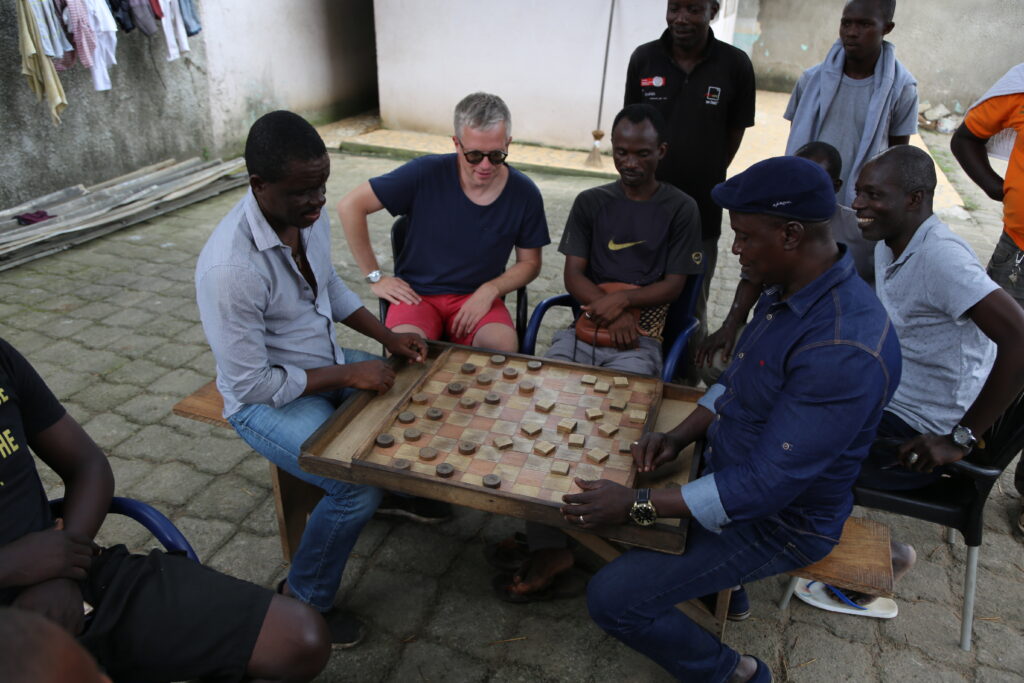
Peeter Helme: Various world sports federations have started letting Russia, and Belarus too, back into their ranks to compete under their own flag. Can you describe what the reasons are—and, if it isn’t a secret, whether you in the Draughts Federation are discussing this, and what the arguments are?
Janek Mäggi: It is actually very simple. The overwhelming share of top athletes are Russian and Belarusian—and not only in draughts, which has some 200 million players worldwide, or chess, with around 600 million. Both rank among the world’s ten largest sports by participation, and the same pattern is taken for granted almost everywhere.
There are 125 sports federations recognized by the International Olympic Committee, and in many of them, the very best players have come from these two countries.
The sport has two, really three, core disciplines: checkers, played by about 100 million people.
In draughts this is completely the case—essentially half the world has been removed. The sport has two, really three, core disciplines: checkers, played by about 100 million people; international draughts, about 40 million; and Russian draughts, around 50 million. Add Brazilian draughts and a few smaller variants, perhaps 10 million more.
Take last year’s World Championship in Yaoundé, Cameroon. Nine of the 12 finalists were Dutch, three-quarters of the final. That is completely abnormal; it looked like a Dutch national championship.
With the Russians and Belarusians gone, a great many strong players were simply not there, and chance had more room. So, point one: over these four years, the level of tournaments has dropped sharply. That is a very big problem.
The Russians, of course, immediately poured their energy into their own international body and many countries are in it.
The second thing that has happened is alarming: the standard among young players has fallen. The Russians, of course, immediately poured their energy into their own international body—the International Draughts Federation (IDF)—and many countries are in it. The Western draughts world we imagine as the whole universe is, in fact, very small.
Compare it with Africa: the European Union fits into the continent more than seven times over, the population is far larger, and the standard of play is high there too. Their young players keep developing in their own environment, undisturbed.
China alone has 542,000 draughts players competing in title events.
And the Russian grandmasters? They all work in China now—every one of them, because the Chinese pay enormous salaries. China alone has 542,000 draughts players competing in title events, and those are only the ones in title tournaments.
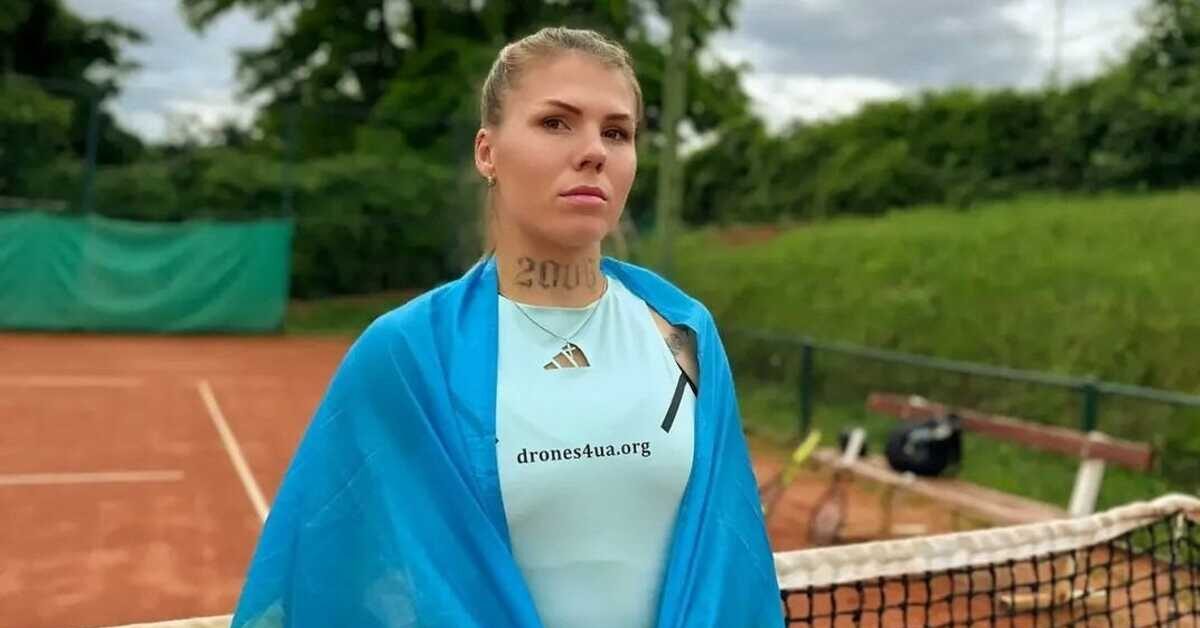
Helme: The Ukrainian athletes make a different argument—that this is not about the standard of play, but about competing alongside people representing a state that is waging war on Ukraine. What do you say to that?
Mäggi: On the players themselves: they are certainly not warmongers—at least in draughts; I do not know other sports as closely. In chess, it is the same story, and I sit on the International Mind Sports Association too. They really are not.
Most of them are close friends of mine—friends of 30 years. They are exactly like you: they sit down, we play, we talk. Some views differ, and there is the odd madman, but a great many genuinely good players have now been shut out.
Belarus has met all of the IOC’s requirements, and Russia has not.
On 7 May, the International Olympic Committee decided that Belarus, for one, should be readmitted. The underlying reason is the one I described, but the important part was the wording: Belarus has met all of the IOC’s requirements, and Russia has not. So between the two, there is, by now, quite a large difference.
There is also a contradiction that the sports world cannot resolve. Some countries argue that the United States should be barred from every competition for attacking Iran, and that any tournament with Israeli participants should be banned outright—and that, measured against them, Belarus is a very peaceful country.
Helme: You see a clear difference between Russia and Belarus. But why does that judgment fall to the IOC—why shouldn’t, for example, the draughts federation set its own line?
Mäggi: What guides a world federation? Firm principles. We want to be part of the international sports community, and that is the key point: we do not run an independent foreign policy. We cannot.
Setting our own geopolitics is simply out of the question.
We are about 10 middle-aged people—some Black, some women, everyone represented—who decide what line to take. Setting our own geopolitics is simply out of the question; we follow the directions that come from the IOC.
Unfortunately, the IOC’s core policy is decided by the big powers. So I cannot say that everything they agree on is black-and-white good. I cannot say that at all.
Helme: So, where does that leave draughts right now?
Mäggi: In draughts, the position now is this: we have Belarus’s application to return—fully and immediately, as the IOC put it—and the Russians’ application for their juniors to play at once. We discuss it next Friday [12 June, when the board voted to readmit Belarus—EP]. I can guess the outcome, but I will not speculate before it is decided.
And there is a further problem—whether federations should weigh states’ decisions at all.
I will say this much: some easing toward Belarus will certainly come, though I am not sure it will be as fast as the IOC recommends. And there is a further problem—whether federations should weigh states’ decisions at all.
Take the European Championships in Tallinn in August. We may clear young Belarusians to play, but whether Estonia gives them visas and they actually turn up is a separate question.
But I think the end of the war is near, and if it comes, the Russians will also have a fast, wide-open path to return to most sports.
We cannot factor in national politics—that is their problem to solve, not ours, because there are about 200 countries in the world. As for the Russians, while the war continues, I do not see all 125 federations cheerfully letting them back. But I think the end of the war is near, and if it comes, the Russians will also have a fast, wide-open path to return to most sports, for the reasons I have given.
This interview is part of Euromaidan Press’s series on how international sport is negotiating sanctions and Russia’s war on Ukraine.
About the Author
