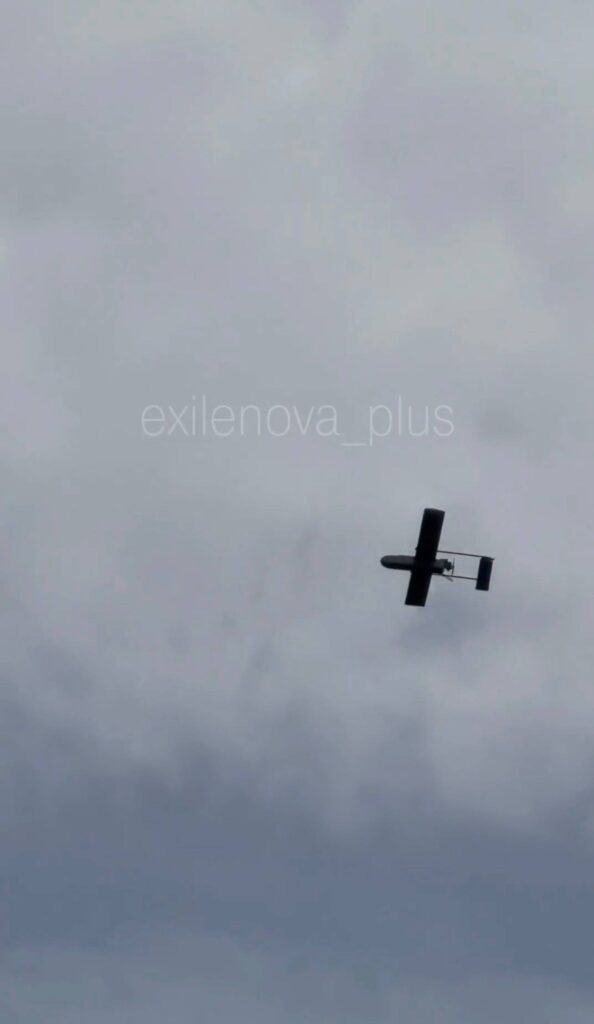
Russian capital Moscow came under a combined Ukrainian drone attack on 19 June 2026, with Moscow Mayor Sergei Sobyanin reporting that air defense forces shot down 76 UAVs “on the near approach alone” to the capital. Exilenova+ channel has recorded drone swarms approaching the city from multiple directions.
The attack represents the third major Ukrainian drone strike on Moscow within four days, following strikes that hit the Moscow Oil Refinery in Kapotnya on 16 and 18 June and damaged the capital’s largest refinery.
The Kapotnya refinery sits approximately 15 kilometers from the Kremlin and supplies roughly 40% of Moscow’s gasoline consumption and around 50% of regional diesel demand.
Combined drone attack approaches Moscow from multiple directions
Sobyanin’s statement that the 76 UAVs were intercepted “on the near approach alone” implies additional intercepts on outer air-defense rings, with the inner-ring figure typically representing only a portion of total Russian Defense Ministry intercept claims.
“A combined attack on Moscow. UAVs have already broken through to Moscow Oblast and are right now approaching their targets from different directions,” Exilenova+ said.
Sobyanin’s “no destruction or casualties” claim refers to Moscow city limits and does not address damage in the surrounding Moscow Oblast, which falls under a separate regional administrative authority.
Third day of Moscow drone attacks extends Kapotnya refinery campaign
Ukrainian drones struck the Moscow Oil Refinery in Kapotnya on 16 June, damaging the refinery’s ELOU-AVT-6 primary crude distillation unit and forcing a temporary shutdown. The same facility was hit again on 18 June, sparking a large-scale fire.
Ukraine’s Security Service drone unit said the repeated strikes mark a shift in the perceived security of Russia’s capital. The Kapotnya refinery is the largest in the Moscow area and a critical fuel supplier for the city and surrounding region, producing aviation fuel for Moscow’s airports, as well as gasoline and diesel.
The Moscow attacks form part of Ukraine’s sustained deep-strike campaign against Russian military and energy infrastructure, which has triggered fuel shortages across more than 25 Russian regions in 2026.
Restrictions on gasoline sales reached Moscow and St. Petersburg in mid-June, with Russia’s largest oil company, Rosneft, halting canister gasoline sales nationwide and Tatneft imposing nationwide caps of 20-30 liters per customer for AI gasoline. Ukrainian drones hit Russian refineries at least 16 times in May 2026, including eight of Russia’s ten largest refineries.
About the Author
