I wasn’t even out of bed on the morning I traveled to Las Vegas before the weight of UFC 329 fight week hit me.
As I reached for my phone to stop the alarm, a message appeared on the interface from a female friend I hadn’t spoken to in more than a decade, responding to a clip of me discussing Conor McGregor’s glory years with TNT Sports.
“I just saw this clip and I want to clarify,” she wrote. “Do you really support Conor McGregor?”
“I can’t support that if you do,” she added.
There are people in Ireland who can’t fathom the idea of McGregor the athlete, or the biggest superstar the UFC has ever created, taking precedence over his lengthy rap sheet. On the other hand, there is a whole new UFC fan base who are chomping at the bit for their first fight week experience starring “The Notorious,” and a mere mention of Nikita Hand or 2024’s civil sexual assault trial can provoke the most vehement defenses.
This, of course, is the reality of covering the most divisive and controversial athlete to ever hail from the Emerald Isle.
McGregor was once an overwhelmingly positive story back home. As his peers were in the midst of a nation-wide recession, he forged a path in a sport most Irish people had never heard of and eventually went on to transcend it. His capture of the 2016 RTE Sports Personality of the Year, as voted by the public, is evidence of how prominent he was in the broader Irish consciousness, despite thriving in a niche discipline.
I first arrived in Sin City in 2014 on the back of one of the most famous sporting events in UFC history, McGregor’s Dublin homecoming in which he dusted Diego Brandao in front of a sold-out 3 Arena. The world watched and witnessed what he meant to his people. Suddenly, everyone wanted a piece, and it wasn’t long before McGregor was on the infamous Las Vegas Boulevard selling his UFC 178 clash with Dustin Poirier.
I was the novelty Irish reporter from McGregor’s formative years — great for a vox pop and all too eager to tell my American colleagues, “Yeah, he really is like that!” I was dragged in front of every microphone in Ireland to defend MMA as a legitimate sport, to defend some of the outlandish things McGregor said, and I was happy to do so.
It was somewhere around his blockbuster boxing bout with Floyd Mayweather Jr. in 2017 when the tone began to shift in Ireland. While he was still hugely popular, people began to take issue not only with the “circus” fight with Mayweather, but also some of McGregor’s declarations, a memorable one being him telling the people of New York that he was “Black from the waist down” at a pre-fight press conference.
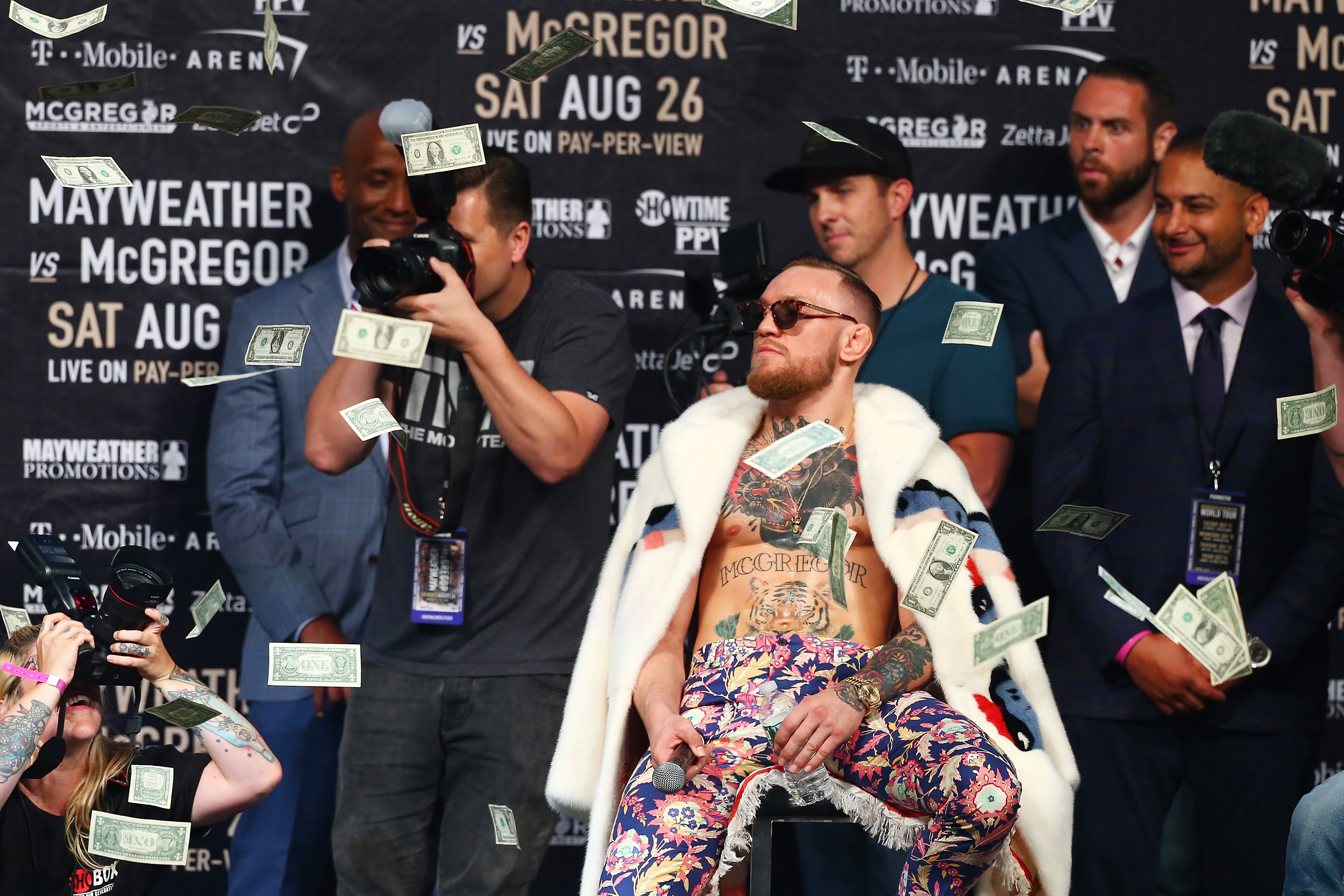
After the fight, and after McGregor took home the biggest fight purse of his life, he was filmed using a homophobic slur in the aftermath of teammate Artem Lobov’s loss to Andre Fili in Poland. I was back on all the major outlets, back on the frontlines again.
“He’s not really like that, we all make mistakes,” I’d tell them.
After that, the hits kept coming: the driving offenses, the disorderly conduct, the Brooklyn bus attack and the assaults. It felt like every week there was a new controversy.
In 2018, his infamous UFC 229 clash with Khabib Nurmagomedov brought out the worst in McGregor. The vitriol he oozed helped make it the biggest pay-per-view in UFC history. Less Irish made the voyage and I found myself unable to defend the man who had elevated MMA to a national conversation.
Ahead of his return bout against Donald Cerrone in 2020, I interviewed people on the streets of Dublin’s north inner city, who openly discussed the shift in Irish attitude to McGregor. When asked about it, the former double champion insisted I was pushing “mad narratives” before stopping Cerrone in 40 seconds and once again draping himself in the tri-color. His second and third meetings with Dustin Poirier came and went, with the last image of McGregor the fighter being him propped up against the Octagon, clutching a broken limb and roaring that his opponent’s wife was a “hoe.”
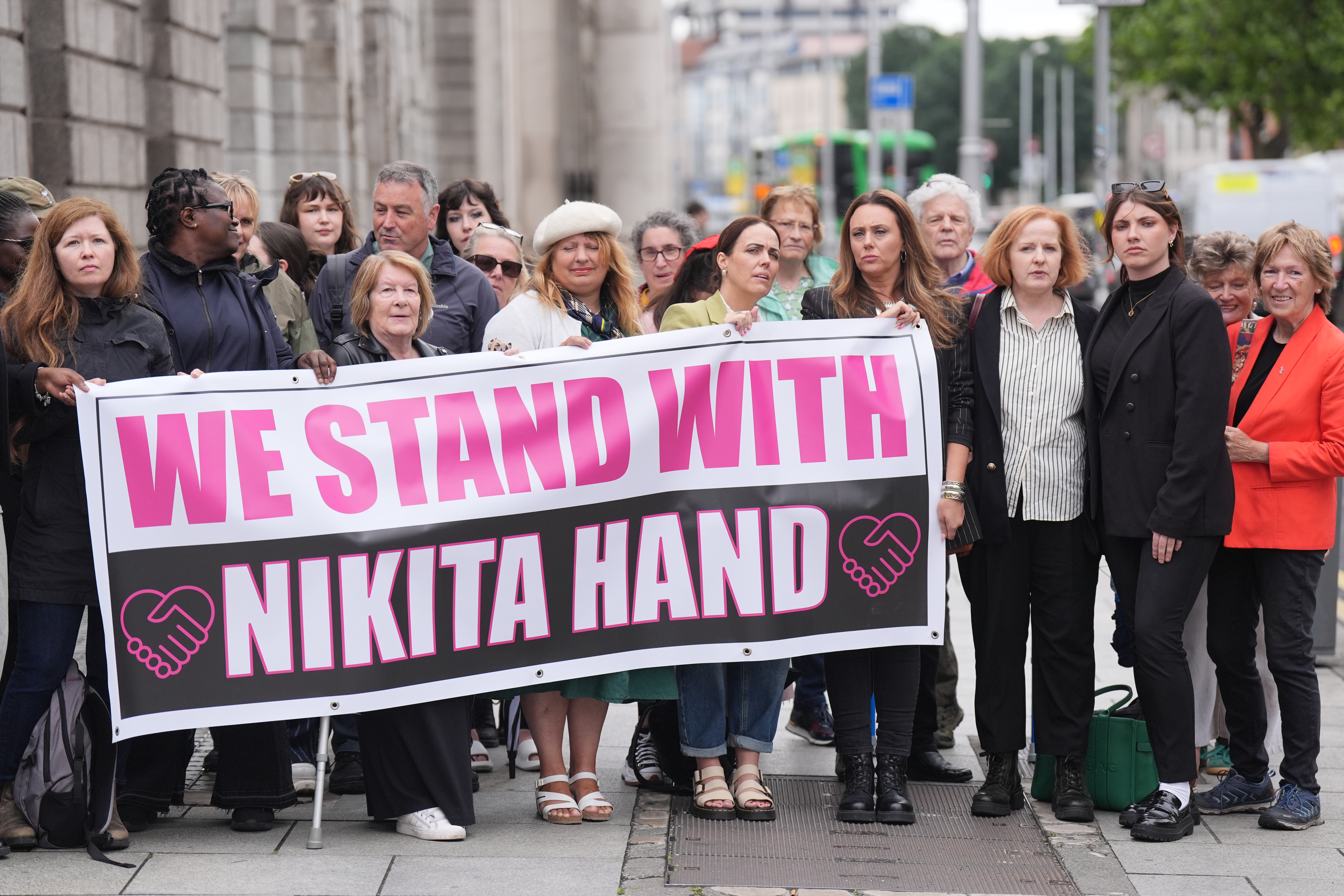
The conveyor belt of negativity culminated with McGregor being found liable in an Irish civil court for the sexual assault of Nikita Hand in November 2024.
It was the biggest story in the country that year, and the public perception of McGregor was damaged to a level never seen before. People marched through the streets demanding that a criminal case be reopened in the aftermath. Massive retailers boycotted McGregor-related products.
For the majority of people back home, it wasn’t just the straw that broke the camel’s back; it was the final nail in the coffin.
On Tuesday morning at Dublin Airport, there was little indication that a McGregor fight was taking place — a far cry from the scenes witnessed more than a decade ago, particularly for UFC 189 and UFC 194.
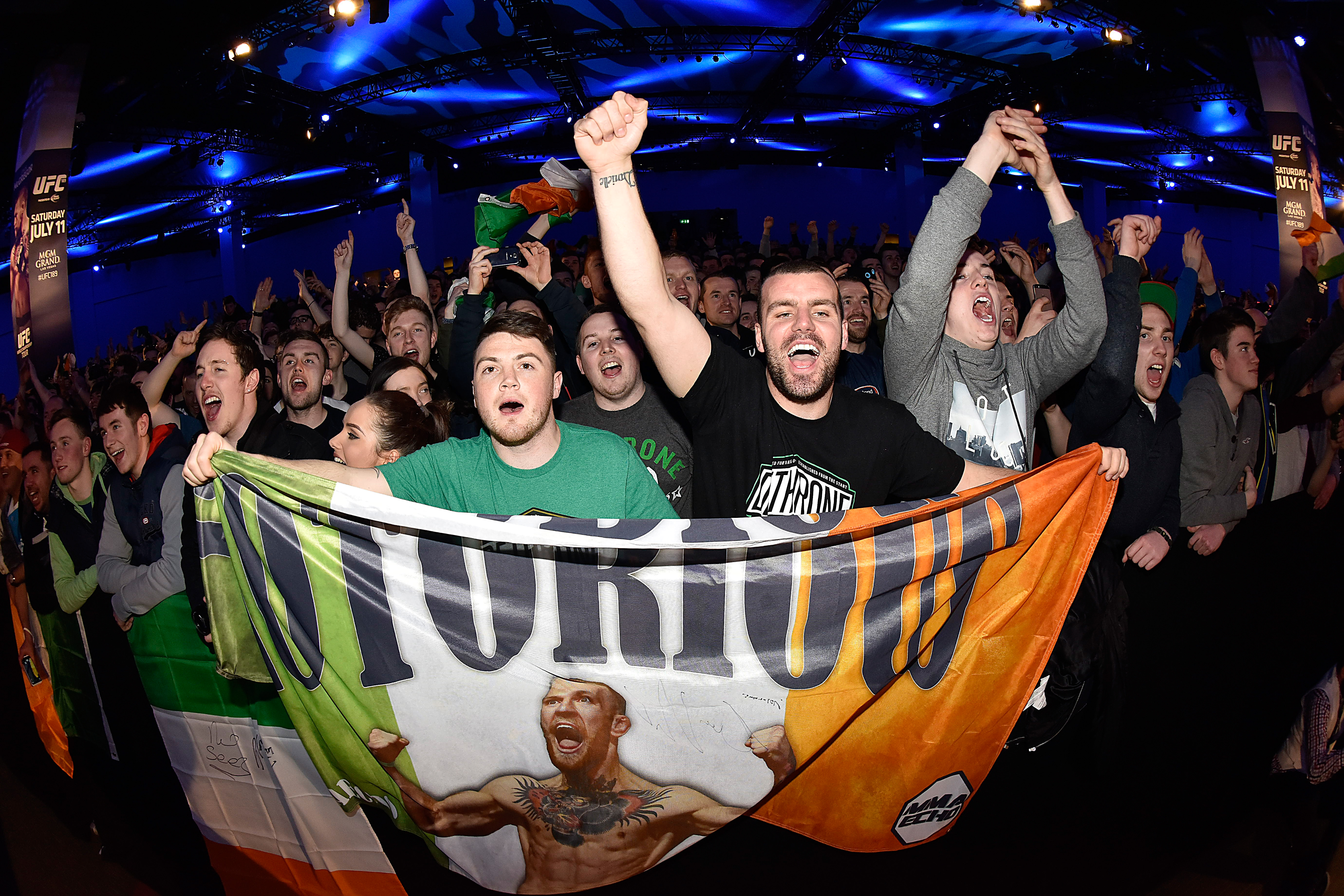
Back then, you couldn’t move five feet without seeing groups of young men donning Ireland jerseys, with McGregor merch and SBG shirts swarming through the queues at U.S. pre-clearance. So excited, they’d spontaneously burst into song — “There’s only one Conor McGregor!” — or just scream their hero’s name. As you’d hit the desk to be granted entry, there was no need to ask what your business was stateside, they already knew.
Ahead of my trip to UFC 329, only six people stood in front of me in the non-U.S. queue waiting to be given the green light — a couple in their early 20s and a family of four with two small children. The officer assumed I was flying over for the World Cup.
There are, of course, still McGregor fans in Ireland, they’re just harder to find. Unless directly associated with him, you won’t hear many shouting it from the rooftops like they did 10 years ago.
My brother recently put on a party for his son’s birthday, inviting parents and children from the locality to an Irish version of a jungle gym. One of the other dads, obviously knowing my brother’s affinity for MMA, pulled him to the side and in a hushed voice, he began his confession.
“I know he’s not a good guy, but I can’t wait for this fight,” he told him. “And you know what? I’d love if he won it too.”
Maybe there are more fans like him, but for now, it feels like the majority of the singing, shouting and celebrating will come from outside of home. On the Las Vegas strip — once flooded with thousands of traveling Irish fans — the billboards are illuminated and plentiful, announcing the return of a fighter the world is watching, but Ireland no longer embraces.
About the Author
