The zone of mutual attrition along Ukraine’s eastern front now extends 20–25 kilometers on both sides of the contact line — an area where neither side can move freely without drone exposure and the commander of the 7th Airborne Assault Corps expects it to reach 30 kilometers by the end of 2026, Brigadier General Yevhen Lasiichuk told RBC-Ukraine. His corps holds the northern approaches to the Pokrovsk-Myrnohrad agglomeration in Donetsk Oblast against Russia’s Center Group of Forces, operating with its 41st and 51st armies.
Ukraine’s drone campaign has reshaped the geometry of the eastern front, turning a defined contact line into an expansive zone where neither side can move without aerial exposure. The 7th Corps has described the character of the war in its sector as a slow war of drones, FPV systems, and reconnaissance.
What the corps commander said
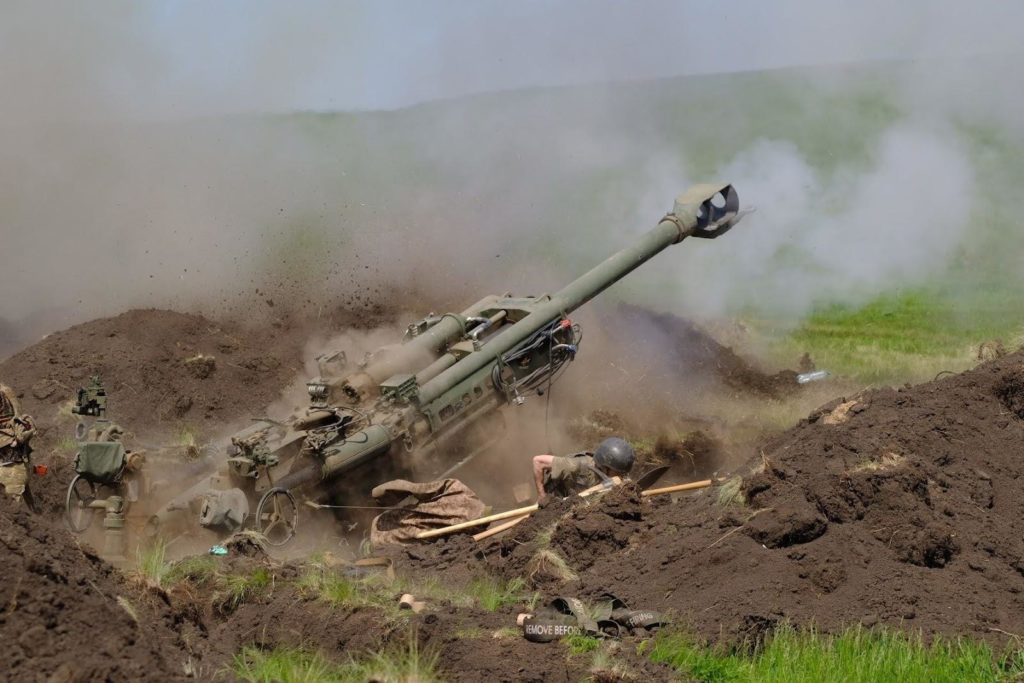
Drones now account for 70-80% of the damage on both sides in the sector; artillery, under 30% — a ratio Lasiichuk says has inverted since 2022.
About 20,000 Russian troops have been destroyed in the 7th Corps sector. Across the entire front, Lasiichuk said. Russian losses now exceed 30,000 per month, more than Russia mobilizes, in his assessment — though Russian pressure continues on multiple axes.
Russian forces abandoned vehicle-borne assaults because the vehicles became easy targets.
“On an infantry fighting vehicle, 20–30 enemy troops could move as close as possible to our positions,” Lasiichuk said.
Now that’s unrealistic — it’s a fairly easy target for the unit. The result is infiltration in groups of two or three, moving through terrain features and exploiting weather that suppresses Ukrainian drones.
Euromaidan Press has tracked this shift since January: a May analysis found 60–70% of Russian infiltrators die before reaching Ukrainian lines. Even so, Lasiichuk said, Russia has not stopped pressing — it has simply made the pressing more expensive for itself.
Ukraine’s middle-strike campaign now reaches 100 kilometers from the contact line, hitting Russian logistics nodes, command posts, and approach routes toward Pokrovsk and Myrnohrad.
The Pokrovsk axis
Russia’s Center Group of Forces has concentrated its largest eastern grouping on the Pokrovsk-Myrnohrad axis. The 7th Corps also faces the Rubiсon drone unit — Russia’s dedicated drone assault formation that has used the Pokrovsk sector as a testing ground for new systems.
About five months after capturing the ruins of Pokrovsk, Russian forces are attempting to break out toward Dobropillia a gateway to Kramatorsk and Sloviansk, 50 km to the north.The natural geography of the area favors Russian infiltration: riverbeds, road networks, and green zones provide covered approach routes.
About the Author
