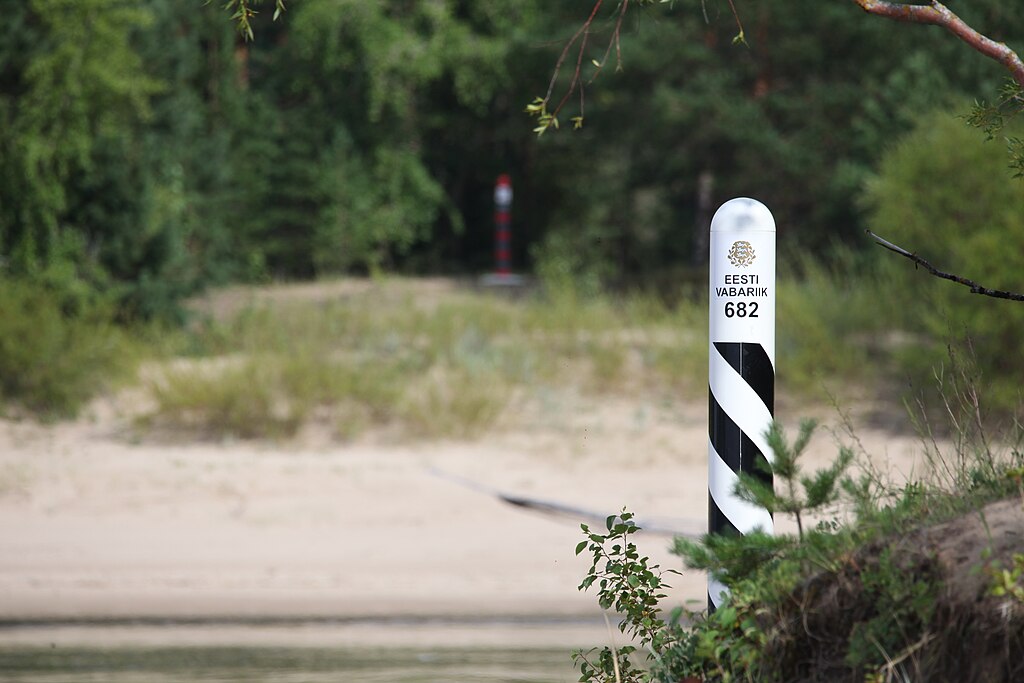
Russia is closing a string of railway border crossings with Latvia, Estonia, and Finland from 1 July, giving no public reason for the decision.
The closures cover seven crossings: St. Petersburg-Finlyandsky, Vyborg, Vyartsilya, Lyuttya, and Svetogorsk on the border with Finland, Pechory-Pskovskiye on the border with Estonia, and Pytalovo on the border with Latvia, according to a government order signed by Prime Minister Mikhail Mishustin and reported by TASS. The order suspends the movement of people, vehicles, goods, and cargo through the designated checkpoints; Russia’s Foreign Ministry has been told to notify Riga, Tallinn, and Helsinki.
The closures land days after The Guardian, citing sources, reported that Russia is preparing a possible “provocation” against Lithuania, Latvia, Estonia, or Poland. Lithuania’s Defense Ministry, responding to that report, said there are currently no signs Russia is preparing a large-scale military attack on the Baltic states, but that the threat of sabotage — arson or other action against critical infrastructure on Lithuanian territory — remains high, according to Suspilne, citing Lithuanian broadcaster LRT. The ministry added that such rhetoric from Moscow aims to divert attention from Russian military setbacks in Ukraine and to weaken the resolve of Kyiv’s partners to keep supplying military aid.
The rail closures are not an isolated step. Russia doubled railway freight tariffs on cargo bound for Estonia, Latvia, and Finland from 1 June, under a Federal Antimonopoly Service order that also closed off workarounds through Belarus, according to Estonian broadcaster ERR. An Estonian logistics expert told ERR that state carrier Russian Railways, facing a financial deficit, is also using the route to pressure Central Asian nations that ship goods through Russian territory toward the Baltic. Latvia’s defense minister has separately said the country is working on a plan to dismantle transportation links at its eastern border if necessary, while Latvia, Lithuania, and Estonia have discussed jointly ripping up the Soviet-era “Russian gauge” rail lines that still cross their borders with Russia and Belarus, as part of “counter-mobility” measures against a potential future attack.
The closures also follow weeks of warnings from Western officials about Russian intentions toward NATO’s eastern flank once the war in Ukraine winds down. Polish Foreign Minister Radosław Sikorski told CBS News on 26 June that the Kremlin could organize a “false flag” operation within the next two years to justify an attack on a NATO member state. NATO Secretary General Mark Rutte said in December 2025 that the Baltic states are at risk and are next on Russia’s list after Ukraine, and that Russia could potentially attack alliance countries within three to seven years if NATO does not increase defense investment.
Russia has not stated why it is closing the seven crossings, and Moscow’s government order does not reference the Guardian report, the false-flag warnings, or the tariff increase.
About the Author
