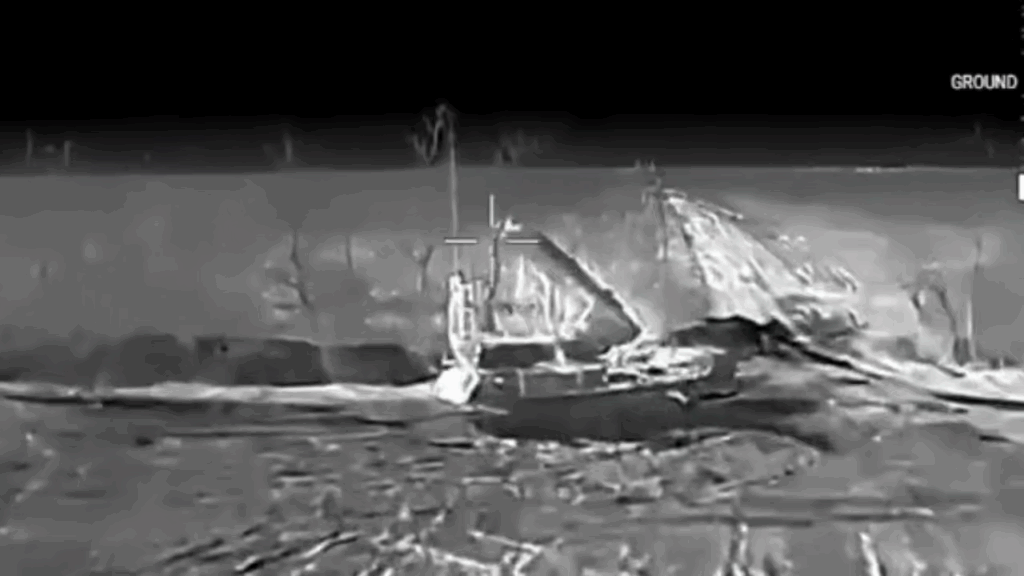
In some areas of the front, the Russians are “losing the concept of layered air defense,” a company commander with Ukraine’s 413th Unmanned Systems Regiment “Raid,” callsign Churchill, told Euromaidan Press. As Ukrainian drones and missiles pick off radars and launchers one by one, the layers that once covered each other thin out, leaving blind spots—and a sky that is a little less deadly for Ukrainian planes.
That breakdown is what is letting Ukraine fly its warplanes deeper and drop glide bombs on targets it could not have reached a year ago. The assessment comes from named Ukrainian sources with direct visibility into what is failing in Russia’s air-defense network—not from a tally of wreckage, but from the people watching the gaps open.
Kostiantyn Kryvolap, a former aviation test engineer at the Antonov Design Bureau, put the change in concrete terms. “Now that the Russians have significantly reduced the number of S-400 and S-300 systems, and we’ve acquired systems and units that can detect a missile in advance and promptly command the pilot to perform the appropriate maneuver, the opportunity has arisen to use such systems,” he told Euromaidan Press. “And the country has begun to use them. That’s the whole idea.”
The S-400 remains the biggest threat to Ukrainian aircraft, with a reported reach up to 400 km, though it more often engages planes at up to 200 km, Kryvolap said. Thinning that network out is what changes the math for Ukrainian pilots deciding whether a strike is survivable.
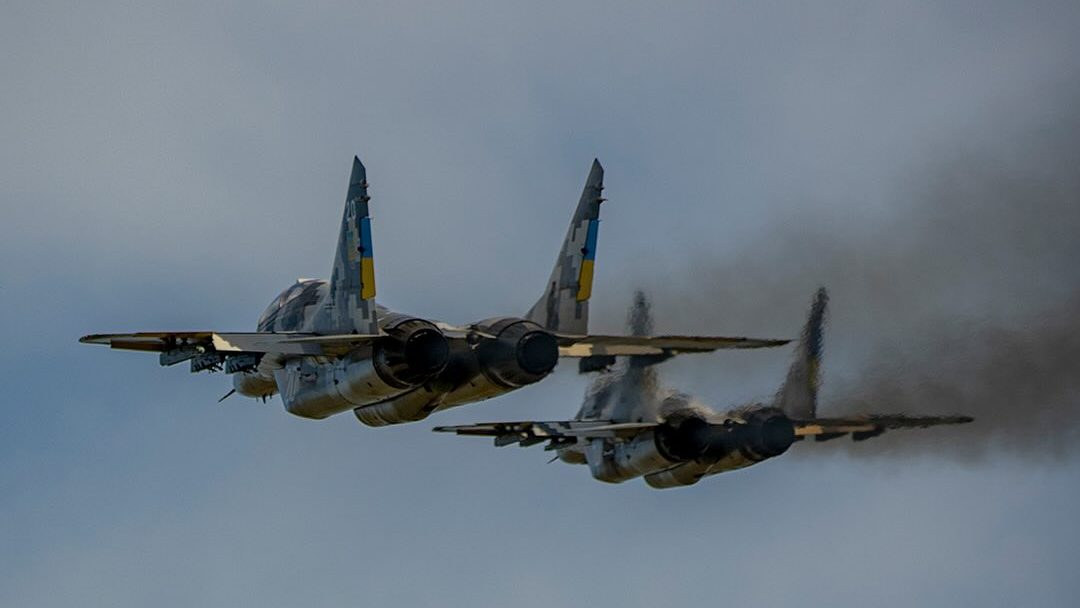
As Russian air defense dwindles, Ukrainian glide bombs join the fray. But juicy targets are receding.
What has been destroyed
The testimony sits on top of a steady record of attrition. From June 2025 to early March, Ukraine conducted 492 strikes against air-defense infrastructure and 433 more against anti-access assets, according to an analysis by Tochnyi.info. Between March and May, Ukraine’s General Staff reported 24 radar systems damaged in Crimea alone. In April, 25 air defenses were hit—radars, Tor, Buk, Osa, and Pantsir systems, plus pieces of S-400 and S-300V systems.
The pressure is pulling Russian systems off the occupied territories entirely. After the latest mass strike on Moscow, Russia is setting up S-300 and S-400 installations in the capital, the Moscow Times reported—meaning fewer of them are left to cover the sky over occupied Ukraine and Crimea.
What the erosion buys Ukraine is room to strike. With the network thinning, Ukrainian warplanes can fly closer and hit harder, and the air-interdiction campaign that drones opened now has a heavier option behind it—including Ukraine’s first domestic guided glide bomb, the Vyrivniuvach, which entered serial production this month. The named-source picture of exactly how Russia’s air defense is breaking down, and what it opens up, is laid out in full in Euromaidan Press’s analysis.
About the Author
