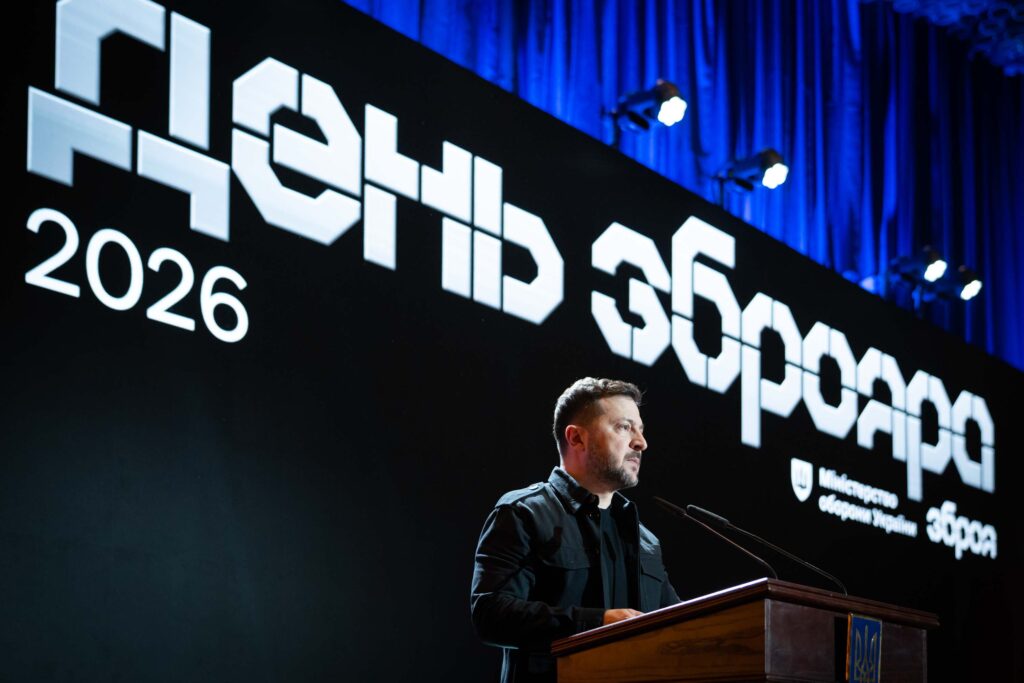
A new procurement law rarely travels beyond a country’s own civil servants. Ukraine’s does. The reform Volodymyr Zelenskyy just signed binds about a quarter of the country’s wartime economy to European Union rules, unlocks $3.4 billion in World Bank budget support, and clears an early hurdle on Ukraine’s path into the EU.
It forms part of the first cluster of accession talks, which the EU opened on 15 June.
He signed the law on 23 June, finishing a reform two years in the making. It forms part of the first cluster of accession talks, which the EU opened on 15 June—and even as Ukraine clears the substance inside that cluster, Hungary is blocking the procedural step needed to open the rest.
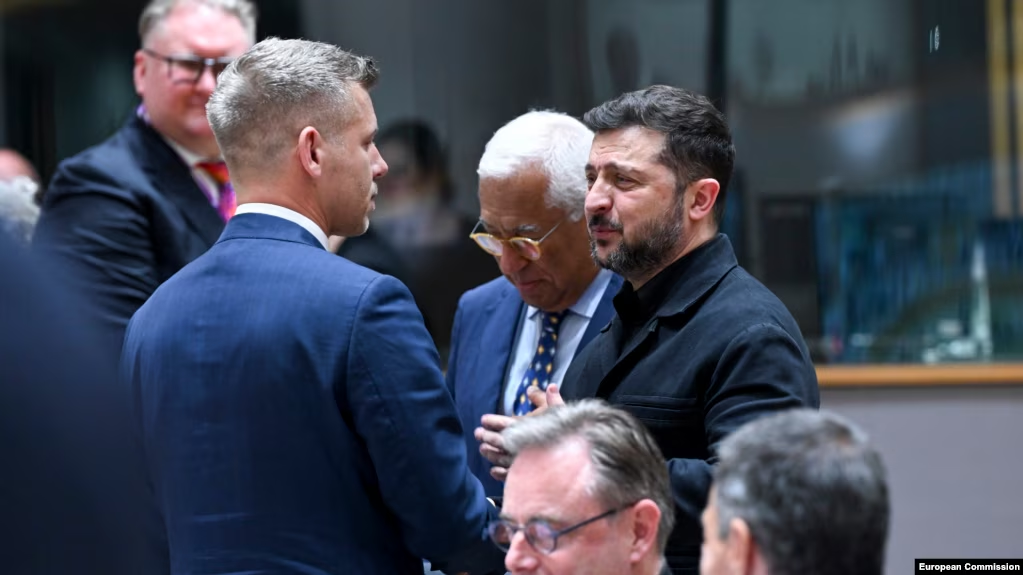
Back to business: Hungary again blocks Ukraine’s EU accession – Kyiv’s mid-July deadline now at risk
Enacting the law releases $3.4 billion under the World Bank’s Development Policy Operations program, money routed straight into the budget for priority social and humanitarian spending.
Deputy Chair of the Parliamentary Committee on Economic Development, Oleksii Movchan, called it a historic moment that locks in European rules of the game in a field where a quarter of national output is distributed.
What Prozorro is—and why it travels
Prozorro—“transparent” in Ukrainian—is the open-source system that publishes Ukraine’s state tenders for anyone to see, built by civic activists after the 2014 Maidan revolution and credited with saving roughly $6 billion since 2017.
Multilateral lenders have recognized Prozorro as meeting their procurement standards.
Multilateral lenders, the World Bank among them, have recognized Prozorro as meeting their procurement standards and committed to channeling more of their Ukraine financing through it. That reaches beyond Ukraine: procurement is the channel through which reconstruction, and the foreign money funding it, will eventually flow.
What the law changes
The reform implements EU Directive 2014/24/EU and broadens the menu of tender formats that Ukrainian buyers can use, introducing European mechanisms for complex and repeat purchases.
For mid-range purchases, an electronic marketplace becomes mandatory.
It forces large contracts to be split into lots, so a single dominant supplier cannot sweep an entire order, and small regional firms can bid on slices of big reconstruction tenders. For mid-range purchases, an electronic marketplace becomes mandatory.
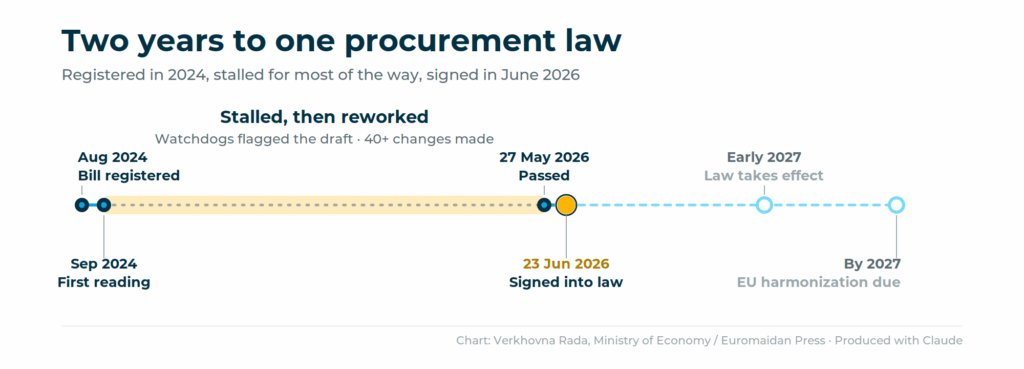
The new rules take effect nine months after publication, the window the government has to write the secondary legislation and the Prozorro team to build the tools.
Why it took two years
The Cabinet-initiated bill was registered in August 2024 and cleared its first reading that September. Then it stalled, and the problem lay in the draft itself.
Anti-corruption monitors warned at the time that the government had pushed it through behind closed doors, that it still did not comply with the very EU directive it was meant to implement, and that it carried provisions they called corruption risks.
Several potentially corrupt provisions were stripped before the bill finally passed on 27 May.
A lengthy rework followed, bringing Transparency International Ukraine, the State Audit Service, and the Antimonopoly Committee into working groups that secured more than 40 changes; several potentially corrupt provisions were stripped before the bill finally passed on 27 May with 245 votes in favor and none against.
Transparency International Ukraine says the European Commission’s feedback on the final text is still pending and will likely require further changes, with full harmonization due under the EU’s Ukraine Facility by 2027.
The defense localization wrinkle
The law also widens Ukraine’s localization requirements—the “Made in Ukraine” rules favoring domestic production—and extends them, for the first time, to civilian goods bought for the defense forces. Body armor, helmets, and mechanized demining equipment have been added to the localization list.
The State Audit Service will gain the power to verify a product’s origin at every stage.
The degree of localization will be calculated based on production costs to prevent suppliers from inflating the figure, and the State Audit Service will gain the power to verify a product’s origin at every stage.
That expansion lands on a system with a known strain. In May, a National Guard soldier said an auto-parts dealer had won his unit’s drone-battery tender by cutting the price from 6,250 hryvnia ($156) to 3,780 hryvnia ($95) per unit, then delivered batteries labeled to spec but packed with cheaper, explosion-prone cells.
The new law routes more defense goods through that same system.
About the Author
