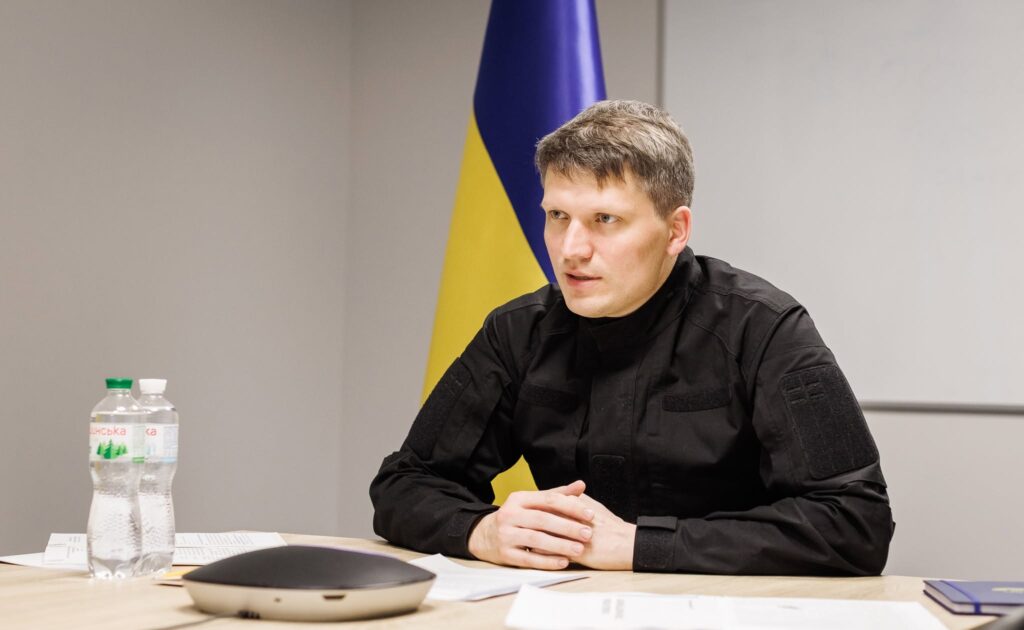
This week, Herman Smetanin stepped down as head of Ukroboronprom—the state group of roughly 100 enterprises making missiles, drones, armored vehicles, and ammunition—days after a Russian strike detonated one of its ammunition depots, sited next to homes in breach of the law.
At least nine people were killed in Vyshneve, in what Ukraine’s prime minister at the time called the war’s worst destruction of a residential area.
Production has multiplied 35 times
Ukraine’s defense production capacity has grown from about $1 billion at the start of Russia’s full-scale invasion to $35 billion a year, and the National Security and Defense Council projects $55 billion in 2026.
Kyiv will allow controlled exports of surplus weapons—Zelenskyy says some categories already run up to 50 percent beyond what Ukraine can use or finance.
Yet domestic contracts covered only a third of that last year, leaving factories idling below capacity. Even after a €90 billion ($106 billion) EU loan, Kyiv still faces a funding gap of roughly $23 billion for its 2026 defense needs.
Two moves aim to close it. Kyiv will allow controlled exports of surplus weapons—Zelenskyy says some categories already run up to 50 percent beyond what Ukraine can use or finance—and plow the revenue back into production.
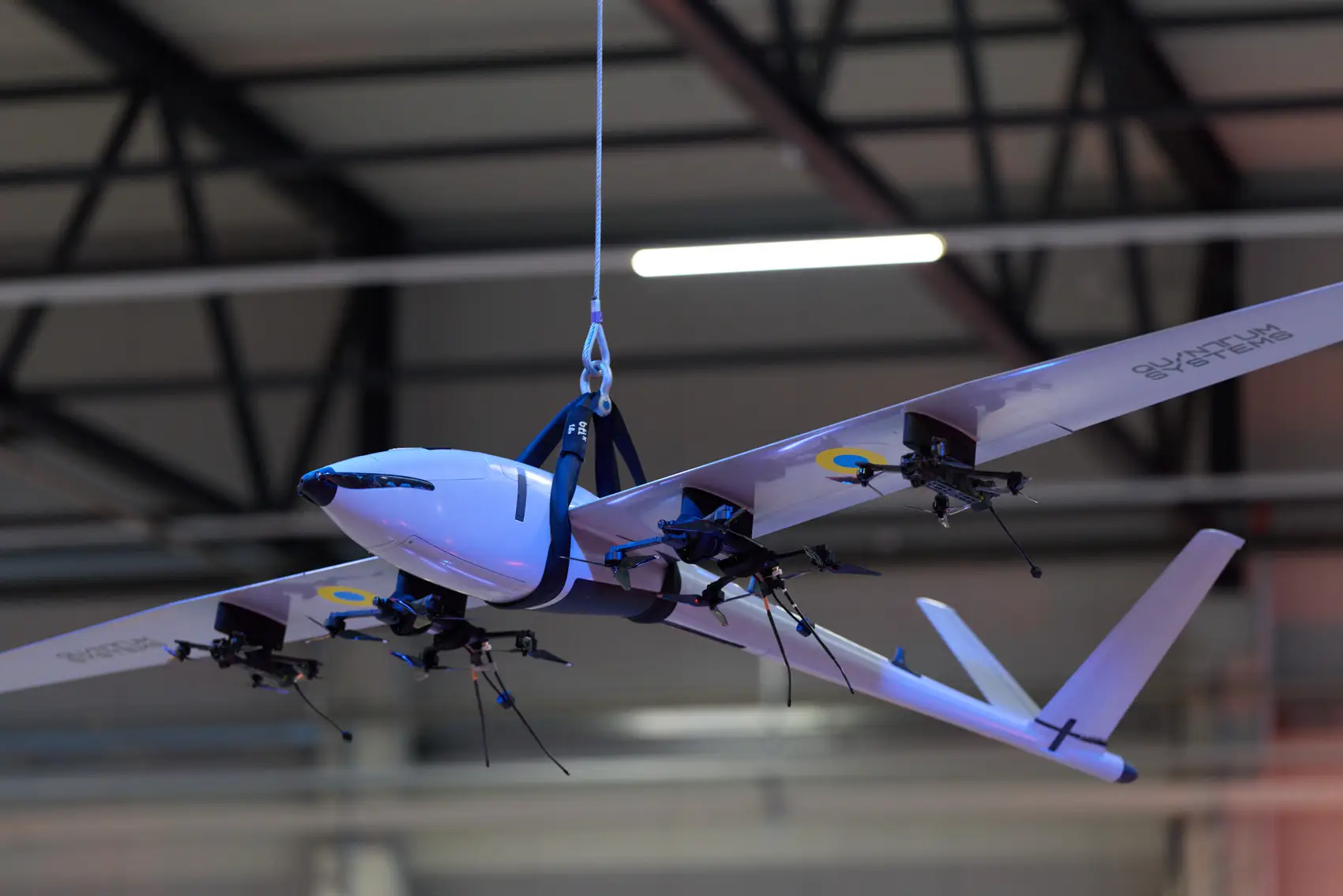
“Drone Deals”: Ukraine to export surplus weapons as Zelenskyy unveils new defense trade framework
And under the “Danish model” and its German and Baltic cousins, allies now pay to build Ukrainian-designed systems in their own factories, moving output beyond the reach of Russian missiles and into NATO supply chains.
Ukraine has now gone further, signing agreements that open the EU’s defense-research and production funding to its firms—including a €300 million ($350 million) instrument for its defense industry—though the deals still need parliament’s ratification.
The drones come from startups, not state plants
The real growth has moved off the state’s books. Private firms now turn out more than 4 million drones a year—the weapons the war runs on—while Ukroboronprom’s supervisory board has named an acting chief, Deputy Defense Minister Serhii Boiev, and opened a competition for Smetanin’s job.
Fire Point, the munitions maker racing to build a homemade replacement for scarce Patriot interceptors, is under anti-corruption investigation.
That private surge carries its own risk: Fire Point, the munitions maker racing to build a homemade replacement for scarce Patriot interceptors, is under anti-corruption investigation over inflated prices and reported ties to a major graft case.
Which returns to Vyshneve. A depot beside homes is what happens when a defense base grows faster than the state can keep track of. Smetanin’s departure answers for that at the top—but it does nothing about the money, and the gap between what Ukraine can build and what it can fund only widens from here.
About the Author
